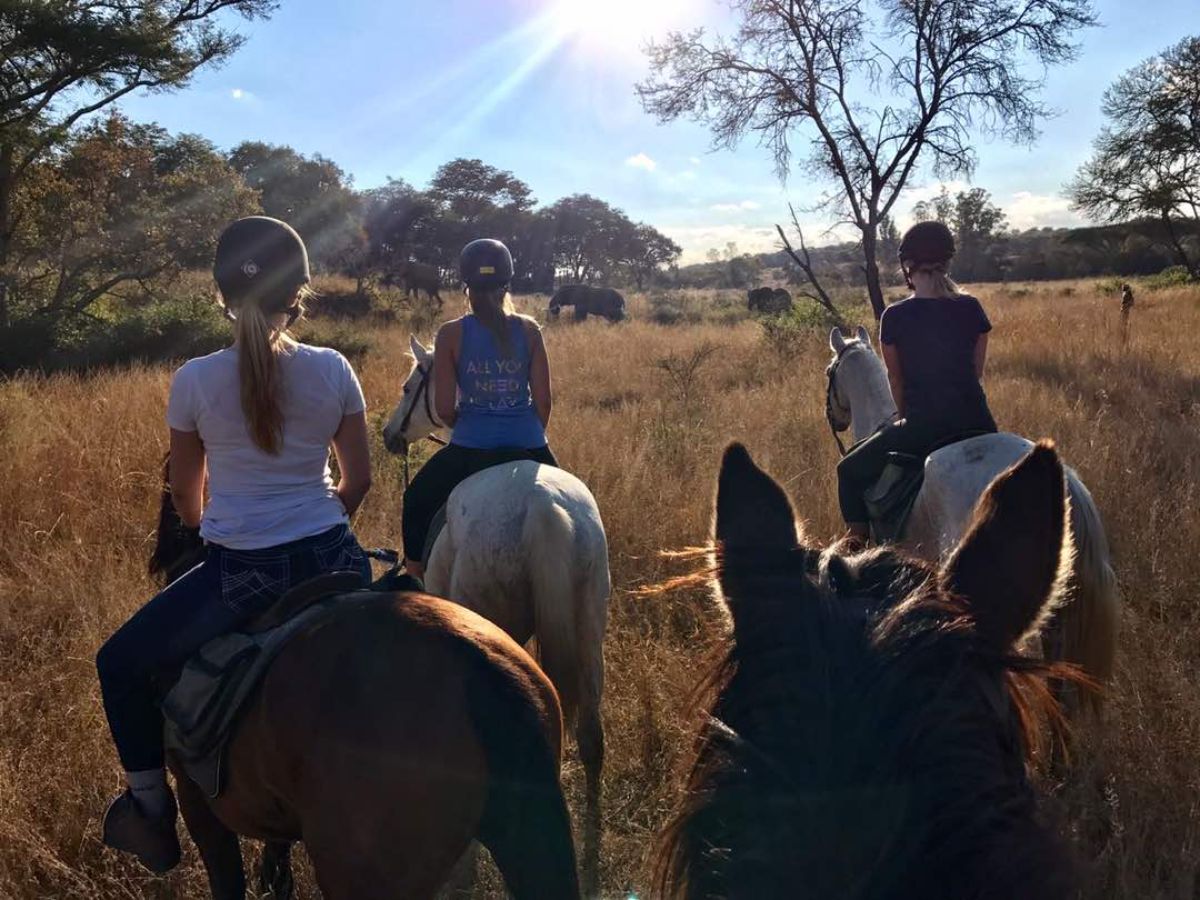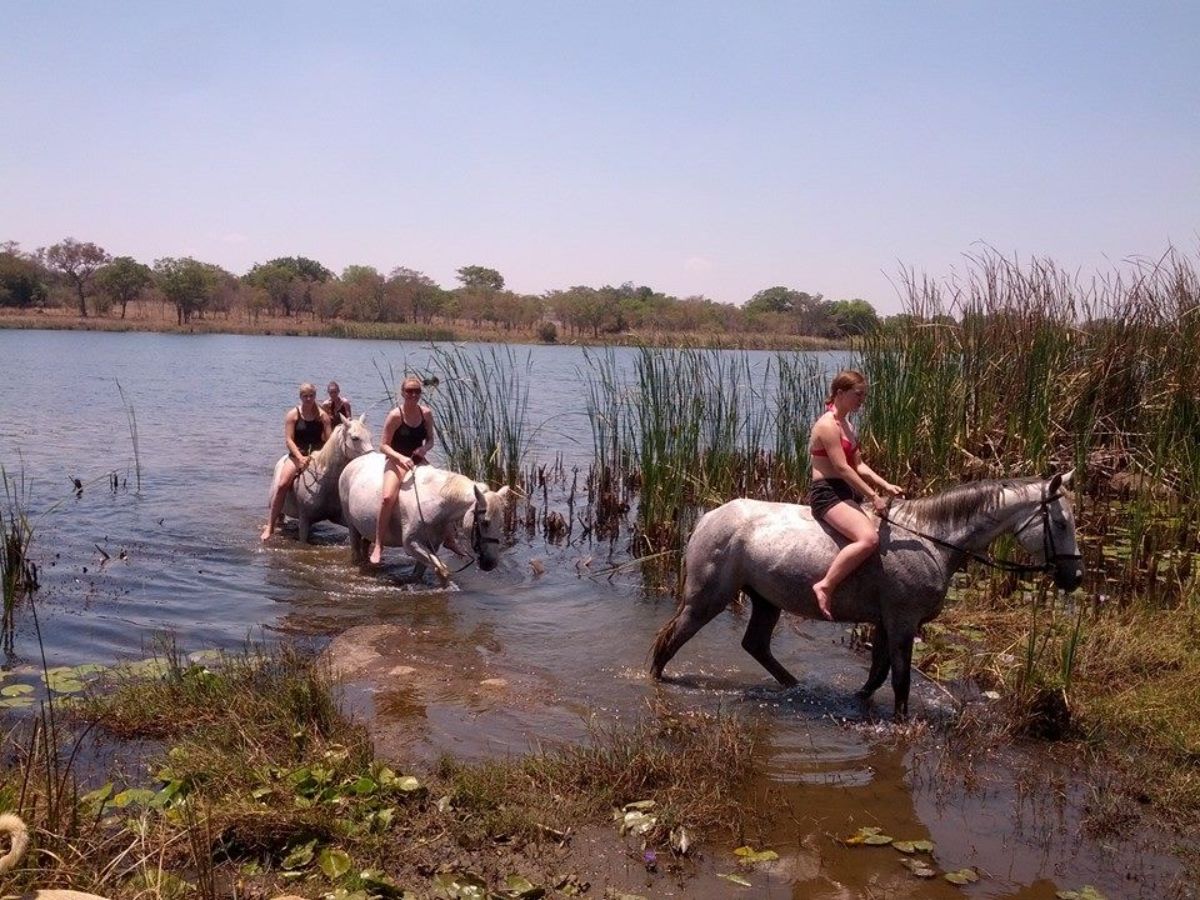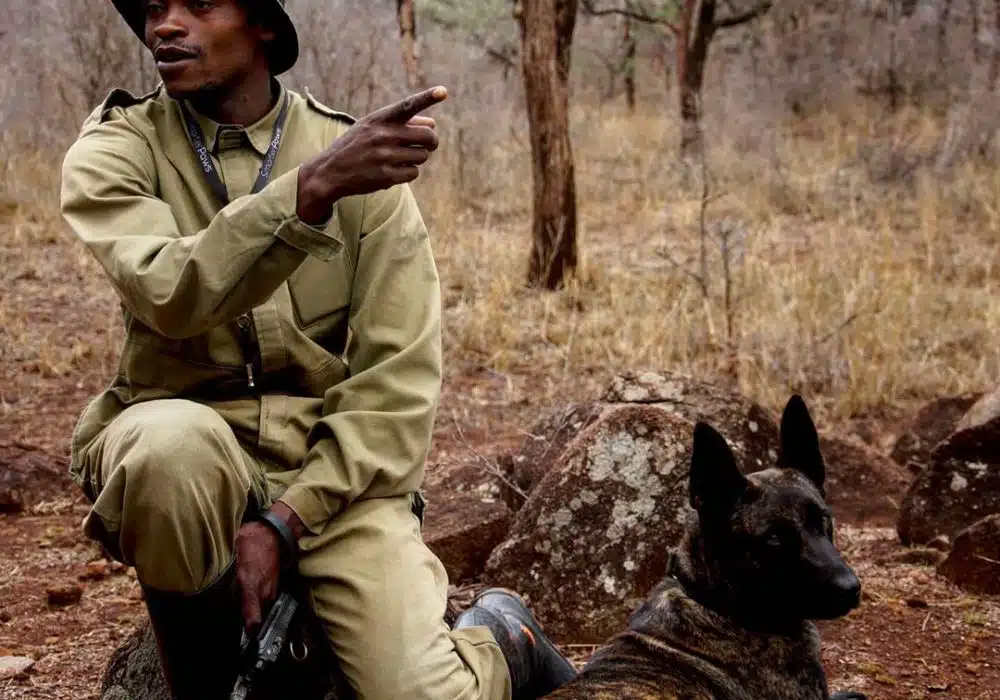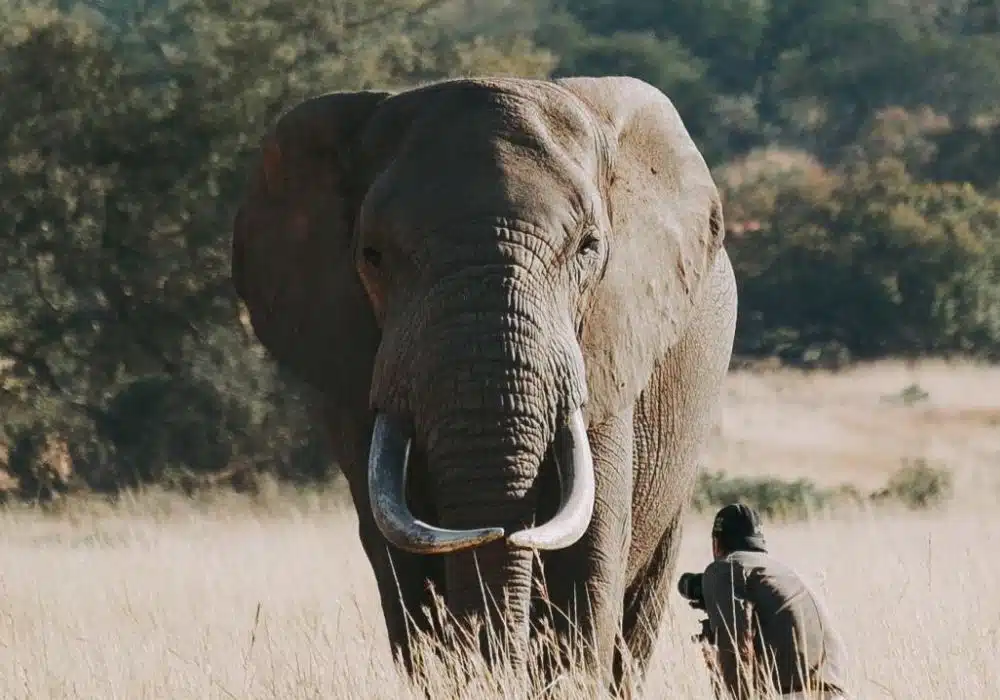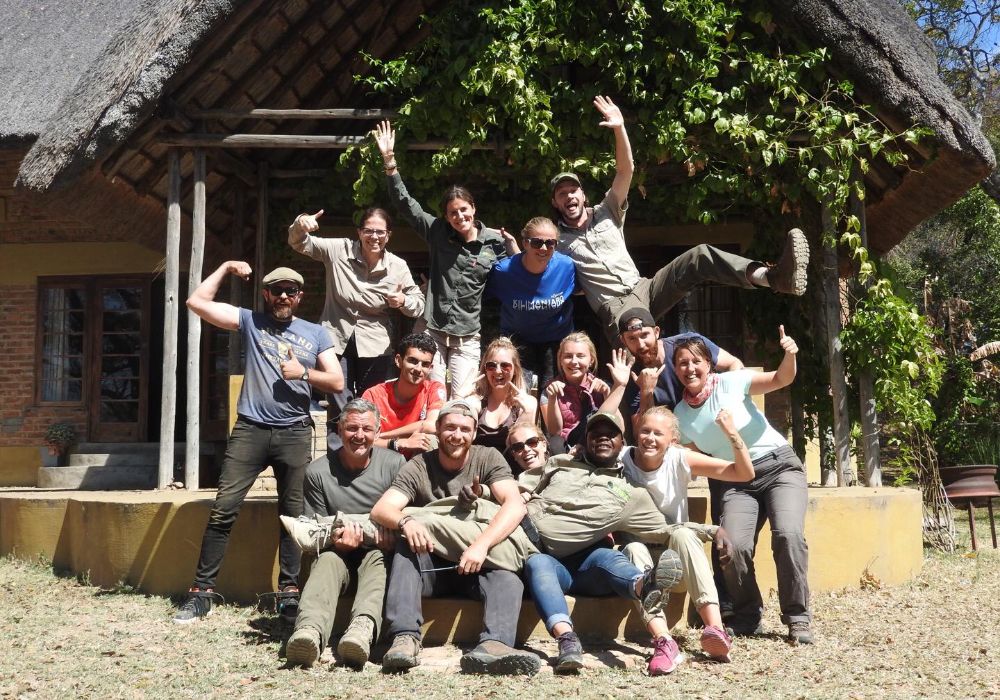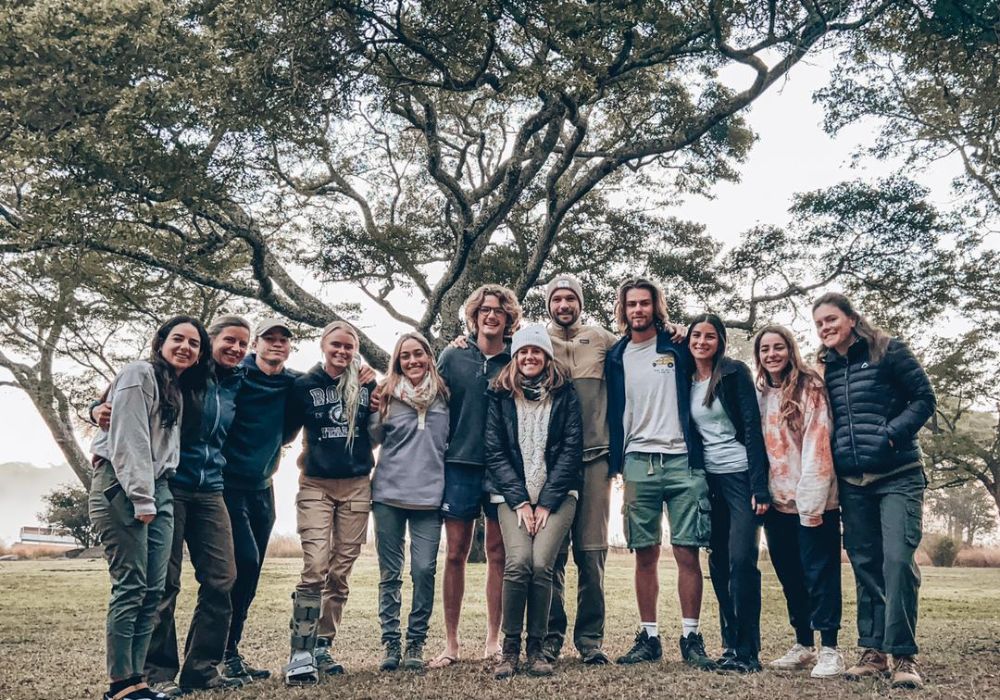



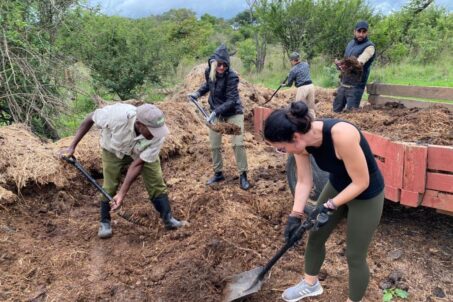
This conservation project combines the thrill of horseback riding with hands-on wildlife protection in the heart of rural Zimbabwe. Set within a private conservancy dedicated to protecting endangered species, the programme allows volunteers to patrol the landscape on horseback while supporting ongoing conservation work. From the saddle, you’ll help monitor wildlife populations, patrol areas vulnerable to poaching, and observe animals in their natural habitat. Beyond the rides, you’ll take part in conservation activities that support rhino and elephant protection, habitat management, and the day-to-day running of the conservancy. Working alongside experienced guides and rangers, you’ll gain insight into what it truly takes to protect endangered wildlife.

Horse Riding, Elephant & Rhino Conservation in Zimbabwe
VOLUNTEER
CONSERVATION
Protect Africa’s Wildlife From The Saddle
Project highlights
-
Ride through the African bush on horseback
Patrolling the conservancy while monitoring wildlife populations.
-
Support rhino and elephant conservation
Assisting the team protecting in two of Africa’s most iconic species.
-
Take part in real anti-poaching efforts
Locating and removing snares and monitor vulnerable areas.
-
Experience wildlife beyond the tourist trail
Ride through landscapes rarely reached by safari vehicles.

Imire, Zimbabwe

Available: Year Round

Duration: 2 Weeks+

Price From £2,910 This cost covers your accommodation, meals, project fees, transfers, 24/7 support and in-country orientation.



What You’ll Do as a Horse Riding Conservation Volunteer
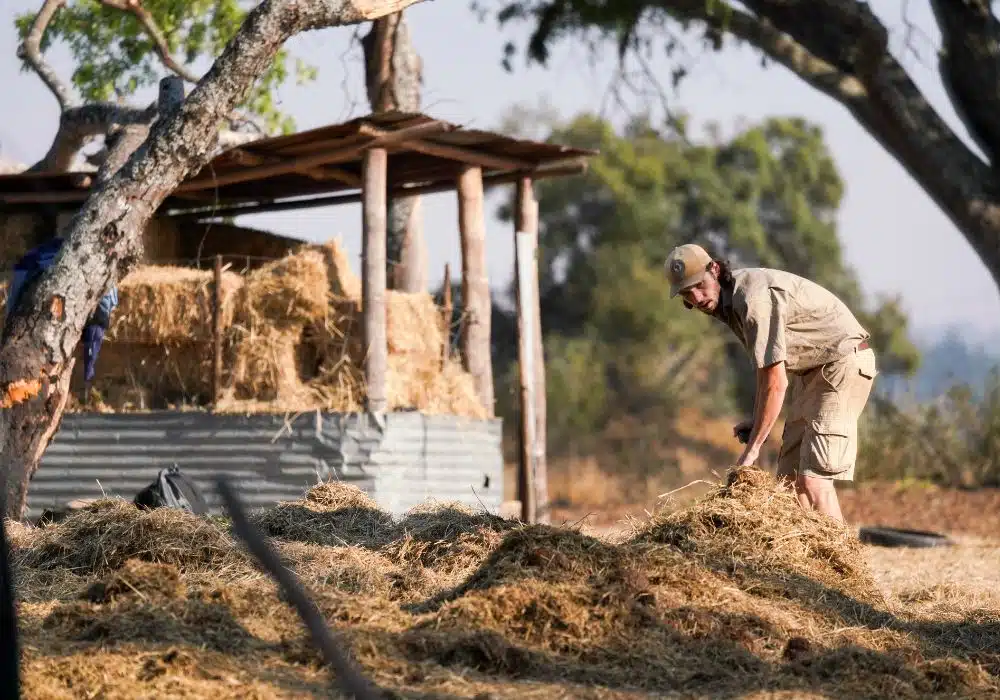
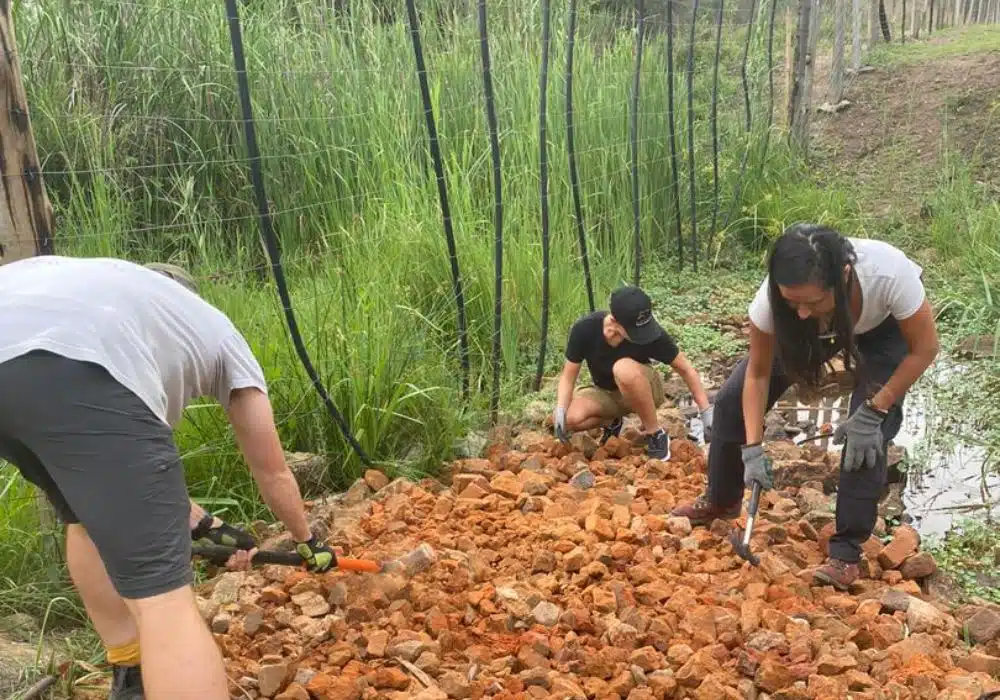
This project blends horseback patrols with practical conservation work. Volunteers support wildlife monitoring and protection activities while learning how conservation teams manage and safeguard wildlife across the reserve.
Horseback Wildlife Patrols
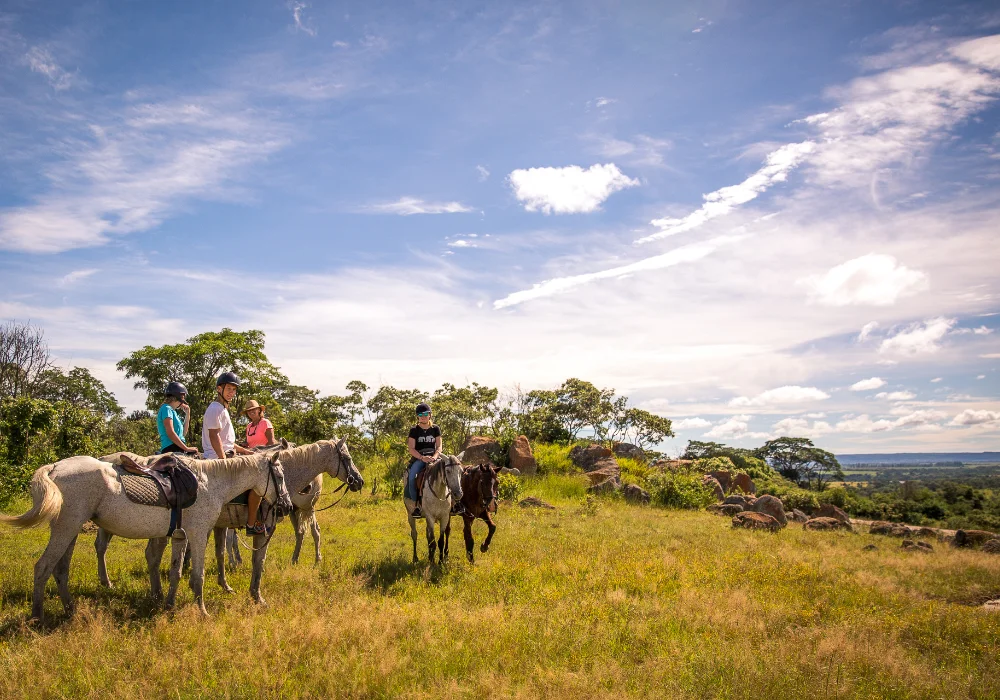
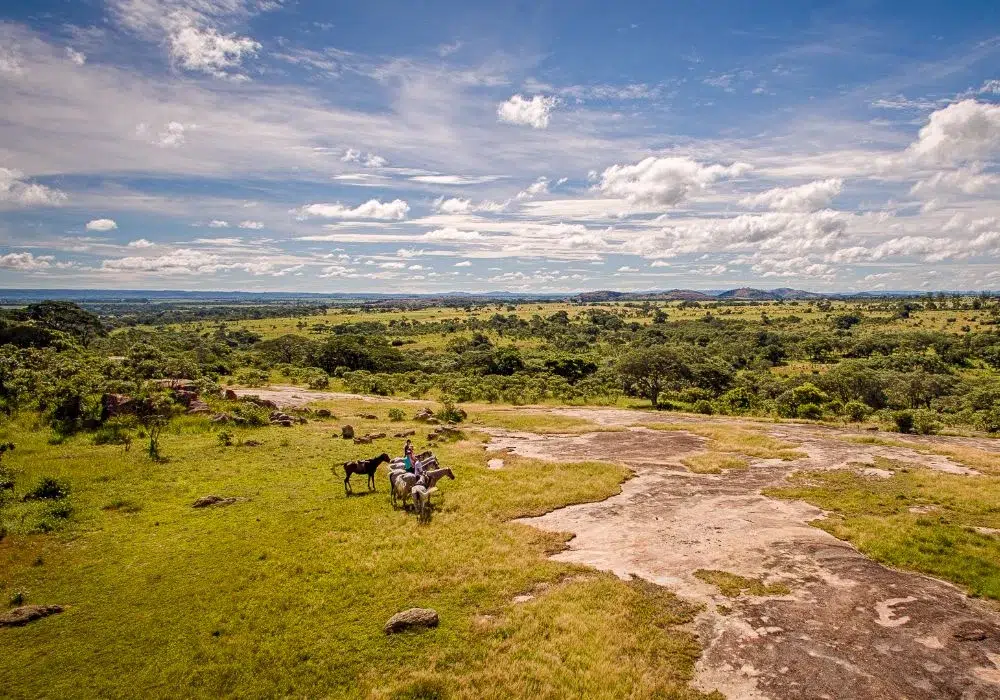
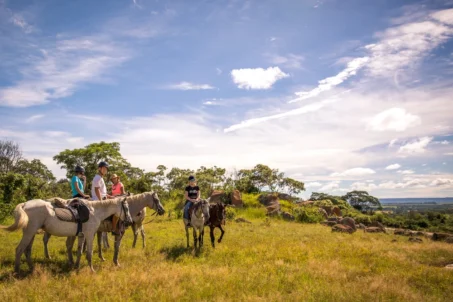
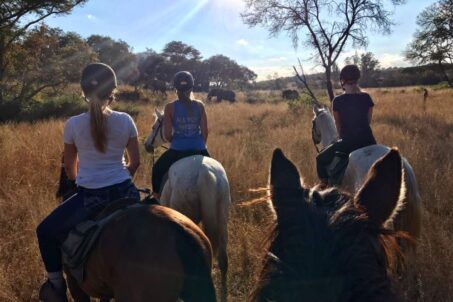
Horse riding is at the centre of the project. Volunteers typically ride several times each week, spending hours in the saddle patrolling different areas of the conservancy. These rides allow conservation teams to reach remote areas of the reserve while monitoring wildlife populations. During patrols, volunteers help identify animal tracks, perform game counts, and observe herd movements across the landscape. Riding quietly through the bush also provides unique wildlife encounters. You may ride alongside giraffe, antelope, zebra, and other wildlife while observing animals in a way that causes minimal disturbance. Because the riding forms a core part of the project, volunteers must arrive confident in the saddle and comfortable riding in open terrain

Life on Land
Rhino and Elephant Conservation Work
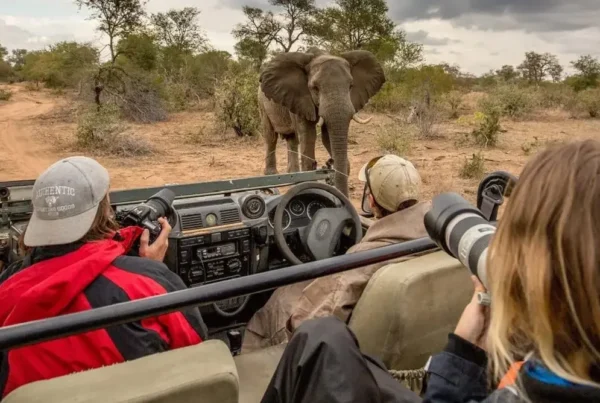
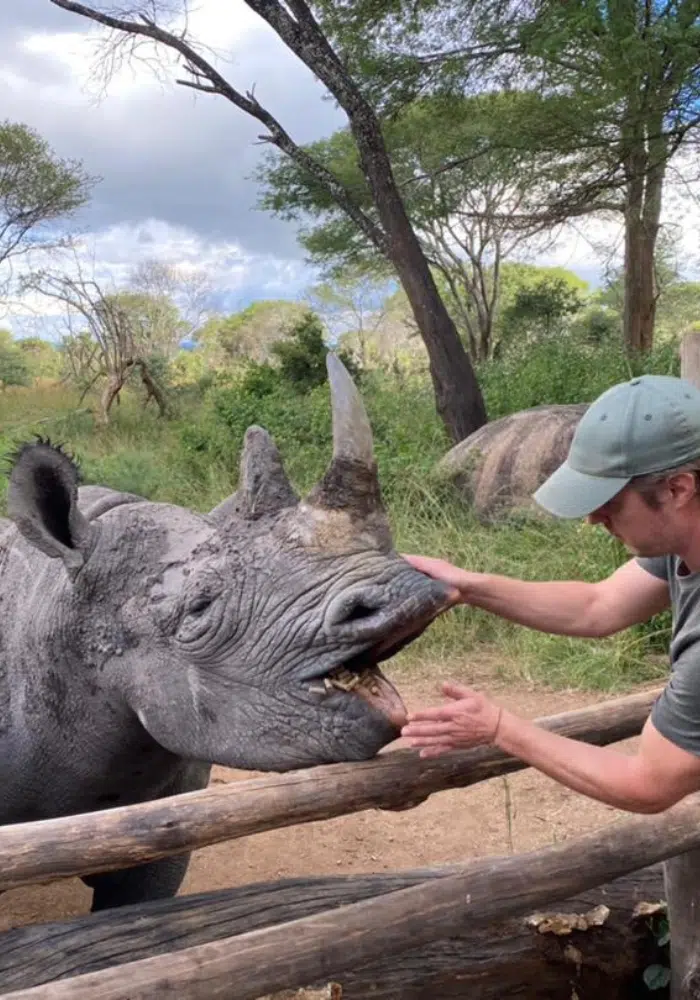
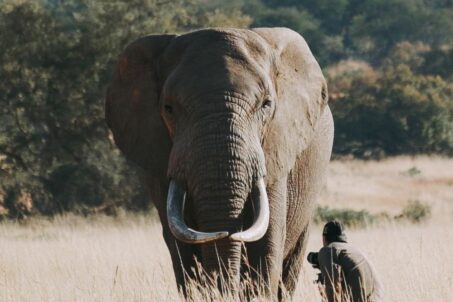
The conservancy plays an important role in protecting endangered rhinos and elephants. Volunteers assist the conservation team with monitoring these animals and learning how reserves manage and protect vulnerable populations. You may help track animal movements, observe behaviour, and assist the team in collecting information that contributes to long-term conservation strategies. These observations help the team better understand herd dynamics, habitat use, and the overall health of the animals. Working close to these incredible animals offers a powerful perspective on both the challenges and the importance of wildlife conservation.
Life on Land
Anti-Poaching Patrols and Snare Sweeps
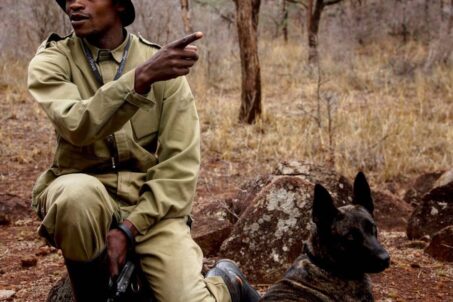
Illegal snares remain one of the biggest threats to wildlife across many African landscapes. Volunteers regularly assist rangers in identifying and removing snares placed by poachers. During patrols, you’ll learn how conservation teams detect traps and monitor vulnerable areas of the reserve. Removing these snares plays a critical role in protecting animals ranging from antelope to endangered predators. These activities also highlight the broader reality of conservation work, showing how wildlife protection depends on constant vigilance and collaboration between rangers, researchers, and local communities.
Life on Land
Accommodation & Meals
Imire Conservancy, Zimbabwe


Your home away from home in Imire is a comfortable, community-style base with shared accommodation in either a bush camp or farmhouse setting, plus relaxed spaces to unwind between project days.h5>
Imire offers 2 accommodation sites – at either Chiwawe Tented Camp or Numwa House where you will be comfortably accommodated with a maximum of 12 volunteers per site. Rooms are shared with same sex volunteers, of similar ages where possible. Each site has bathrooms with toilets and showers, and all bedding is provided. Chiwawe offers fixed tent accommodation in the heart of the conservancy, whilst Numwa House is a farmhouse-style building with a swimming pool.
We provide three self-serve, home-cooked meals daily. Vegetarian and vegan options are available, and we can accommodate dietary allergies if informed in advance. However, we may not be able to cater to highly specific requirements (such as gluten, dairy, or wheat intolerances). If you have these needs, please bring your own specialist foods. Our chefs will be happy to prepare these alongside standard meals for other volunteers. It’s crucial to notify us of any food allergies or dietary restrictions before your arrival.
This project is not suitable for those with severe peanut allergies.
Life at the Base
Imire Conservancy, Zimbabwe
Only 90 minutes from Harare, Imire Conservancy is dedicated to the conservation and welfare of wildlife, with a specific focus on the protection and breeding of the critically endangered black and white rhinoceros. Living on this privately owned conservancy means you’ll be up close and personal with the wildlife! Imagine waking up to the sounds of the African bush, or sharing your breakfast with a curious giraffe – at Imire, these extraordinary experiences become your daily reality.
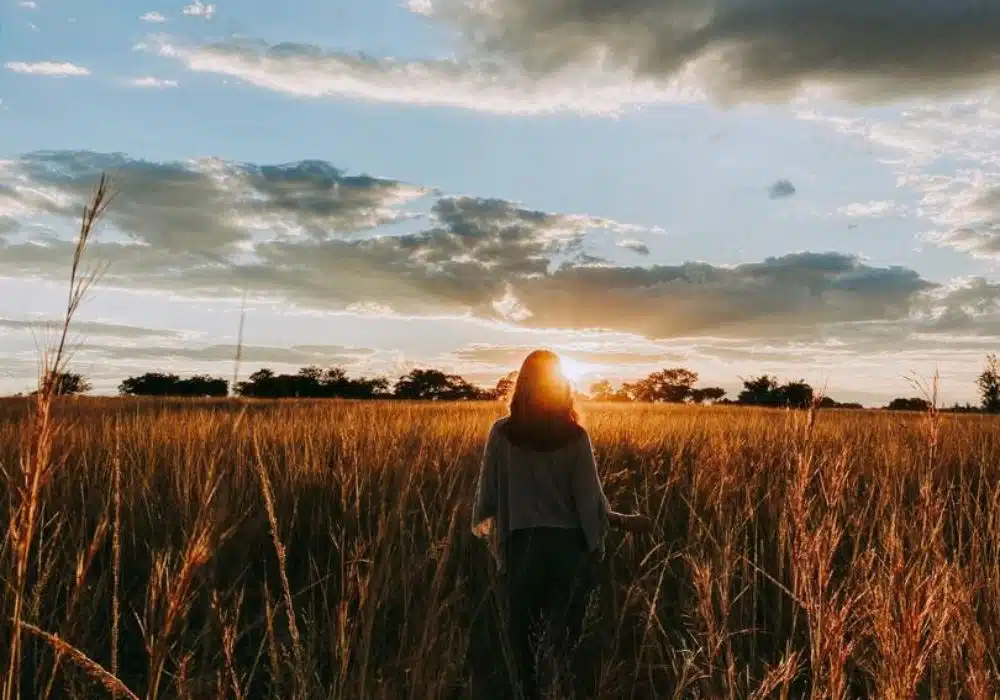
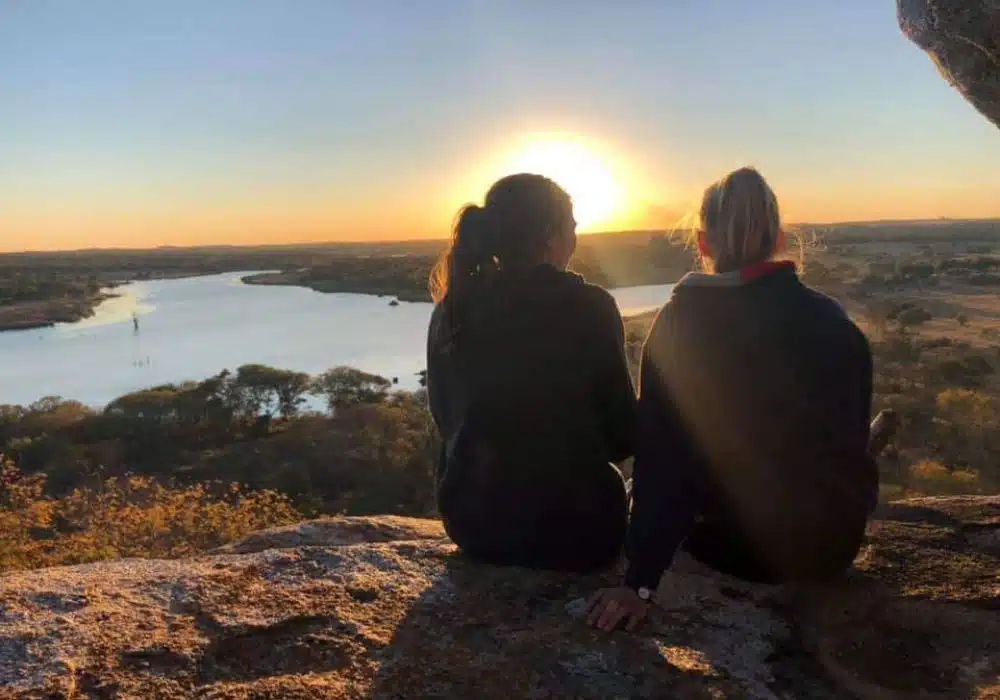
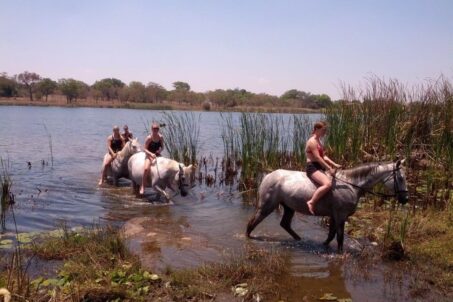
Beyond the rhino work, Imire is a beautiful slice of Zimbabwean wilderness, with open plains, rocky hills and waterholes that draw in a constant cast of wildlife. Between project activities you’ll have time to soak up the bush atmosphere on guided drives and walks, learn about the conservancy’s wider conservation efforts, and enjoy those classic African moments, golden sunsets, a sky full of stars, and animals moving quietly past camp.
Both accommodation sites offer pay-as-you-go WiFi access. Cellphone and 3G coverage is sporadic within the conservancy, so we suggest buying an Econet SIM card upon arriving in Zimbabwe. Keep in mind that power outages are common in Africa, particularly during rainy seasons. As a contingency, we’re equipped with solar-powered lighting and a generator that operates briefly in the mornings and evenings. Plan to charge your devices during these periods to ensure full battery life.
Project Destination
Only 90 minutes from Harare, Imire Conservancy is dedicated to the conservation and welfare of wildlife, with a specific focus on the protection and breeding of the critically endangered black and white rhinoceros. Living on this privately owned conservancy means you’ll be up close and personal with the wildlife! Imagine waking up to the sounds of the African bush, or sharing your breakfast with a curious giraffe – at Imire, these extraordinary experiences become your daily reality.
Communication
Both accommodation sites offer pay-as-you-go WiFi access. Cellphone and 3G coverage is sporadic within the conservancy, so we suggest buying an Econet SIM card upon arriving in Zimbabwe. Keep in mind that power outages are common in Africa, particularly during rainy seasons. As a contingency, we’re equipped with solar-powered lighting and a generator that operates briefly in the mornings and evenings. Plan to charge your devices during these periods to ensure full battery life.
Flights & Arrivals
Staff
Safety
...the joy of making a real impact...
“The rides out over the Imire property were just breathtaking, and we got to see many areas and sights that you just would not see by vehicle. We could get right up close to the wildebeest herds, and walk quietly past as the sable grazed in the distance. I remember cantering through a beautiful patch of land after a long ride with the others, zebras in the foreground and impala watching on from afar and just thinking “this is exactly what I had hoped for with I had signed up for Imire.”
Rachel Miller, Australia
Inclusions
- Cottage or fixed tent style accommodation with swimming pools
- Breakfast, lunch and dinner (Mon - Sun)
- Airport transfers on arrival and departure
- All project transport, equipment and resources
- Support from experienced local and international staff
- Full orientation for responsible project contribution
Exclusions
Requirements
- The minimum age to join this project is 18 years old
- The minimum stay for this project is 2 weeks
Award-winning Volunteer and Internship Projects Since 2004


Enquire now
Volunteering in Africa means travelling with purpose- joining meaningful community or conservation projects, where you pay to cover your stay and project costs, turning your trip into an immersive, impactful experience rather than a traditional holiday.
"*" indicates required fields
Project faqs
How Much Horse Riding Can I Expect To Do At This Project?
You will horse ride five times a week for usually around 3 hours. During those rides you will go off the beaten track to locate missing animals, perform game counts, monitor new mothers, patrol the boundary fence or check for snares. Remote snare sweeps minimize small animal poaching and help the dedicated Anti-Poaching Unit in their daily work to ensure that the large animals are protected.
This Project Looks Like A Combination Of Horse Riding & Rhino Conservation?
Whilst this project does involve horse riding, there is a rhino and elephant conservation component included. However, as a horse riding volunteer, you will have less time to spend on the rhino and elephant conservation component of the project. We can however offer you a combination of both projects – see below.
The rates stipulated for this project are as follows:
2 weeks = 2 weeks horse riding (A 1 week horse riding / 1 week rhino conservation combination is possible. Please enquire for a discounted rate).
3 weeks = 2 weeks horse riding / 1 week rhino conservation (A 1 week horse riding / 2 weeks rhino conservation combination is possible. Please enquire for a discounted rate).
4 weeks = 2 weeks horse riding / 2 weeks rhino conservation (A 1 week horse riding / 3 weeks rhino conservation combination is possible. Please enquire for a discounted rate).
What Riding Experience Do I Need?
Our horse riding conservation volunteer programme is for experienced riders only and there are no riding lessons. You should be able to saddle your own horse, undertake a rising trot and canter, and be confident in riding over uneven terrain. There is a weight limit of 80kg for all equine volunteers.
Our favourite weekend activities in Zimbabwe
Zimbabwe is a Southern African country known for its abundance of diverse wildlife and varied landscape – ranging from vast grassy savannas to tropical forests.