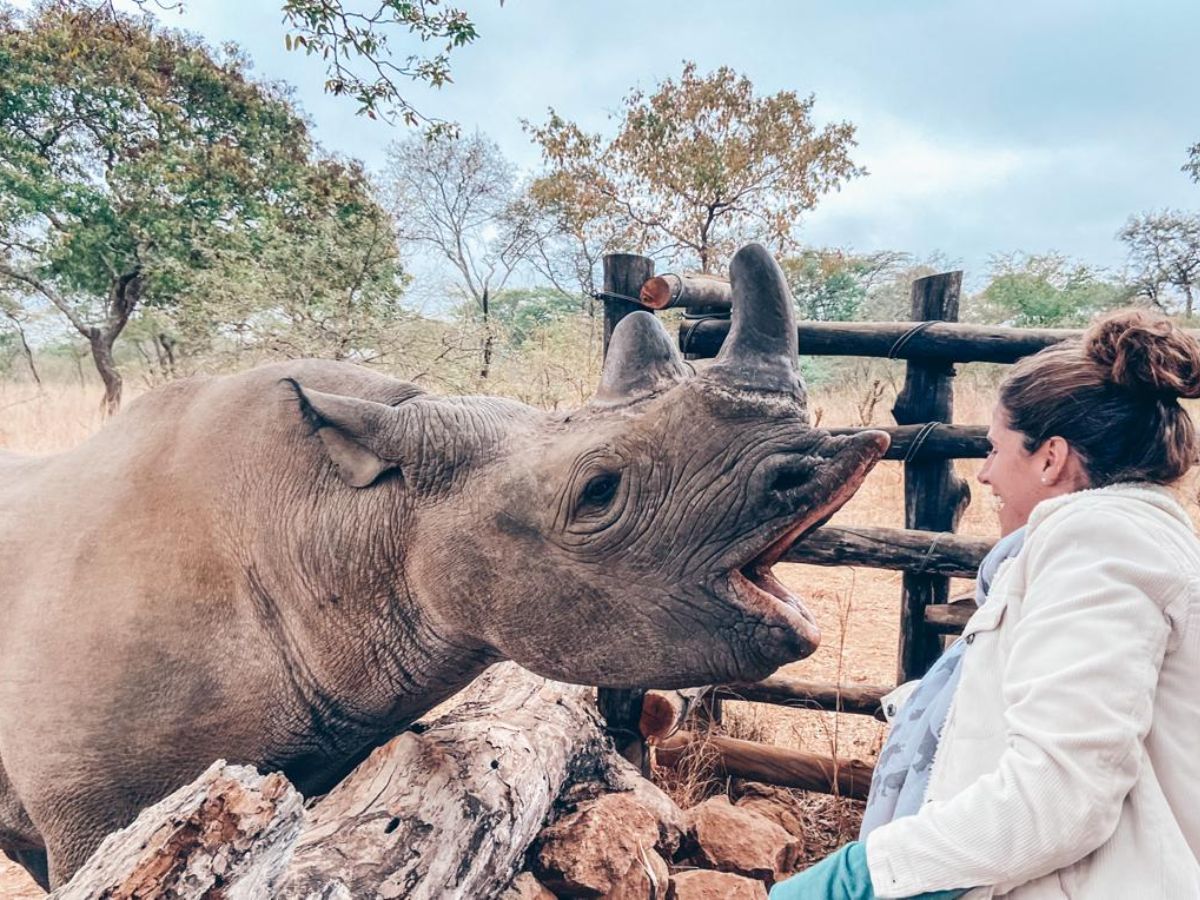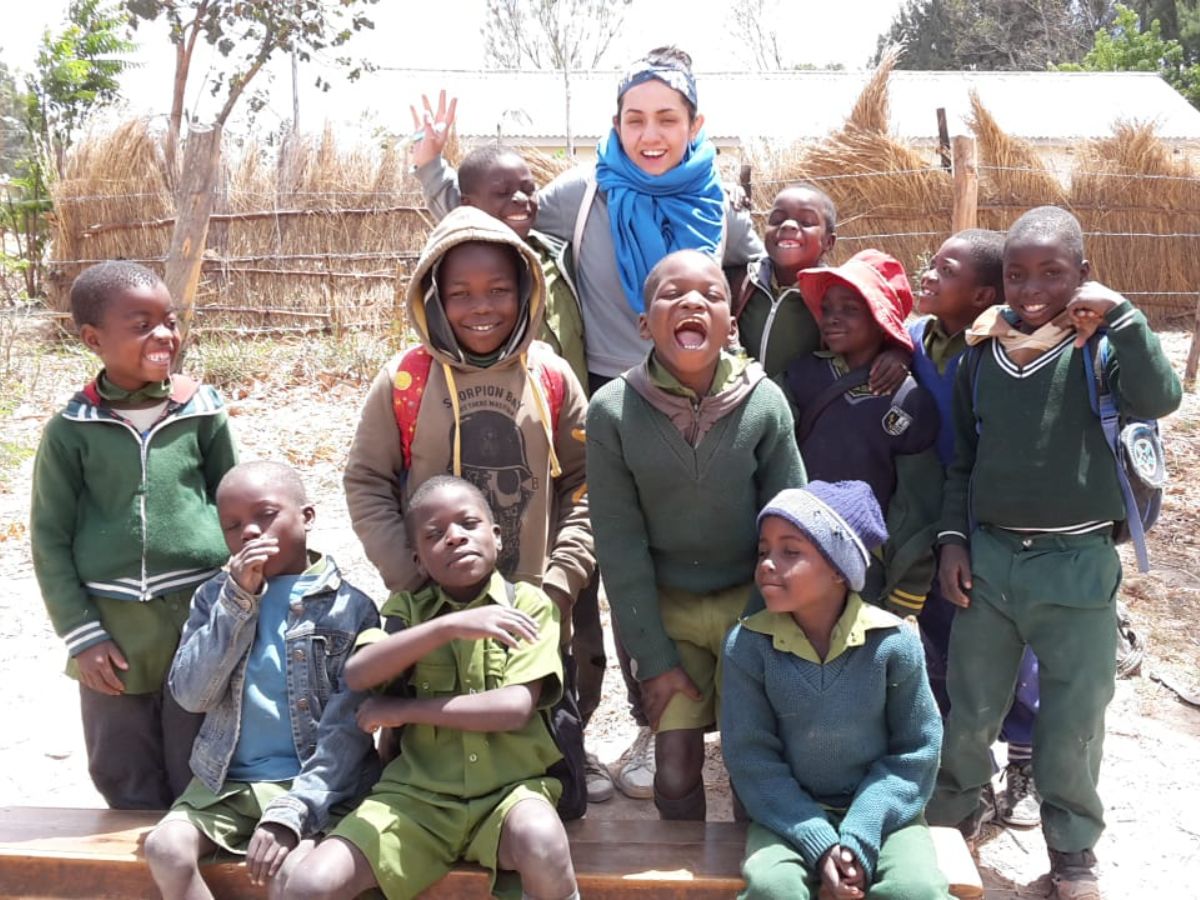



This wildlife conservation volunteer program takes a unique approach to the protection of endangered black and white rhinos, elephants, and the environment in which they live. Imire is a family-run conservancy in the heart of Zimbabwe, offering volunteers a multitude of ways to partake in the conservation of endangered species. In addition to working with iconic wildlife, conservation volunteers will work closely on other projects alongside our local employees, anti-poaching units and community members. You will play a vital role in safeguarding the future of Zimbabwe’s endangered species and in supporting rural communities.

Elephant & Rhino Conservation in Zimbabwe
VOLUNTEER
CONSERVATION

Contribute to the Conservation of Endangered Species
Project highlights
-
Wildlife Monitoring
Help anti-poaching units locate and observe animals.
-
Sustainable Wildlife Protection
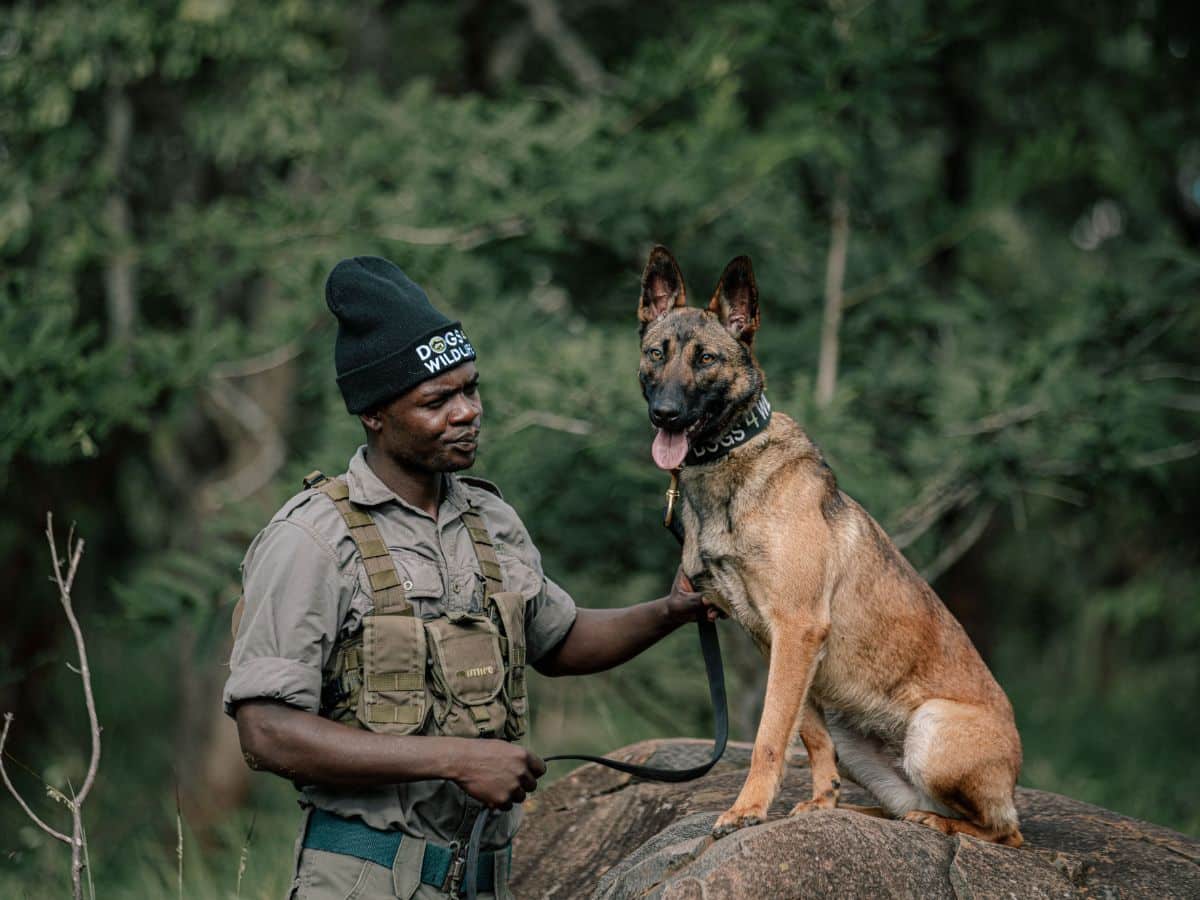
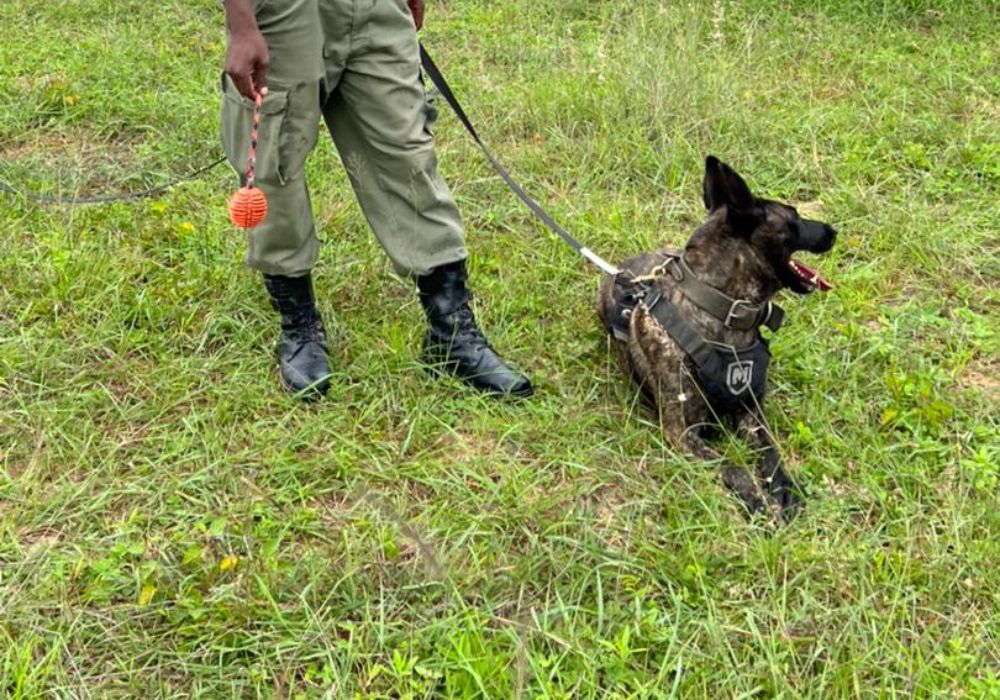
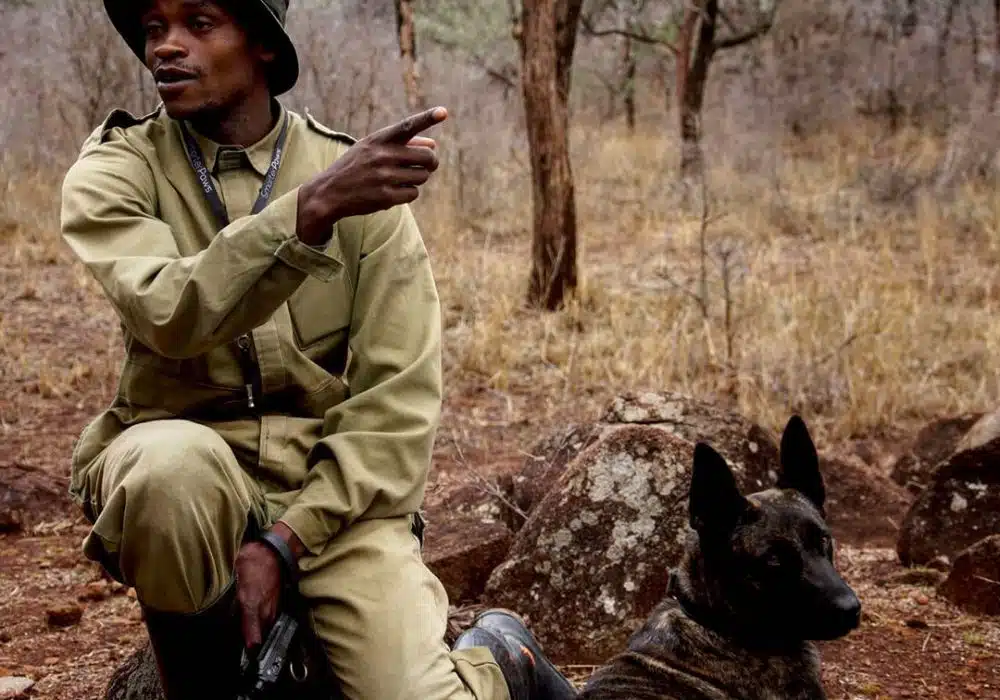
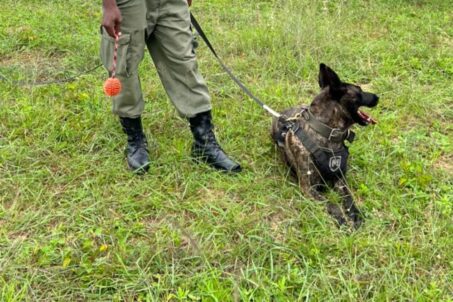
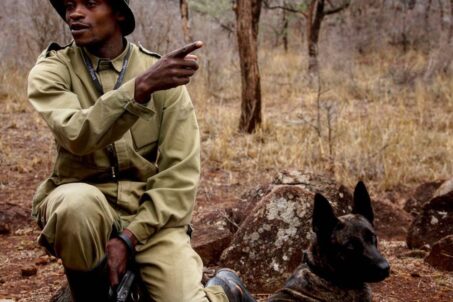
Enjoy weekly K9 demonstrations with the anti-poaching team.
-
Endangered Species
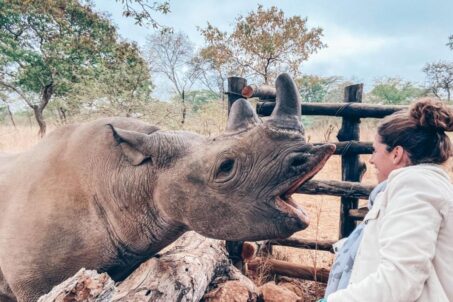
Work with critically endangered species such as black rhinos, as well as elephants.
-
Conservancy Management
Get a unique, behind-the-scenes look into what’s involved in wildlife management.

Imire, Zimbabwe

Available: Year Round

Duration: 2 Weeks+

Price From $2,710 This cost covers your accommodation, meals, project fees, transfers, 24/7 support and in-country orientation. Low Season rates available for arrivals from 1 December 2025 - 25 May 2026. Please enquire.



Project impact areas
Here’s how you will create significant impact through the African Big 5 Conservation project in South Africa.

CONSERVATION
Rhino Conservation
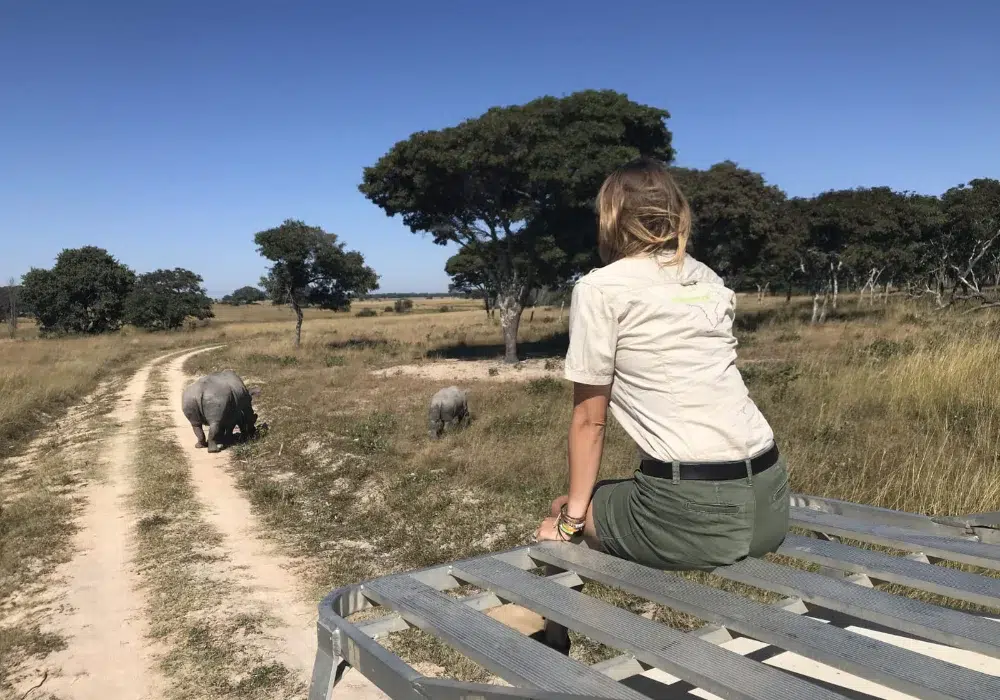
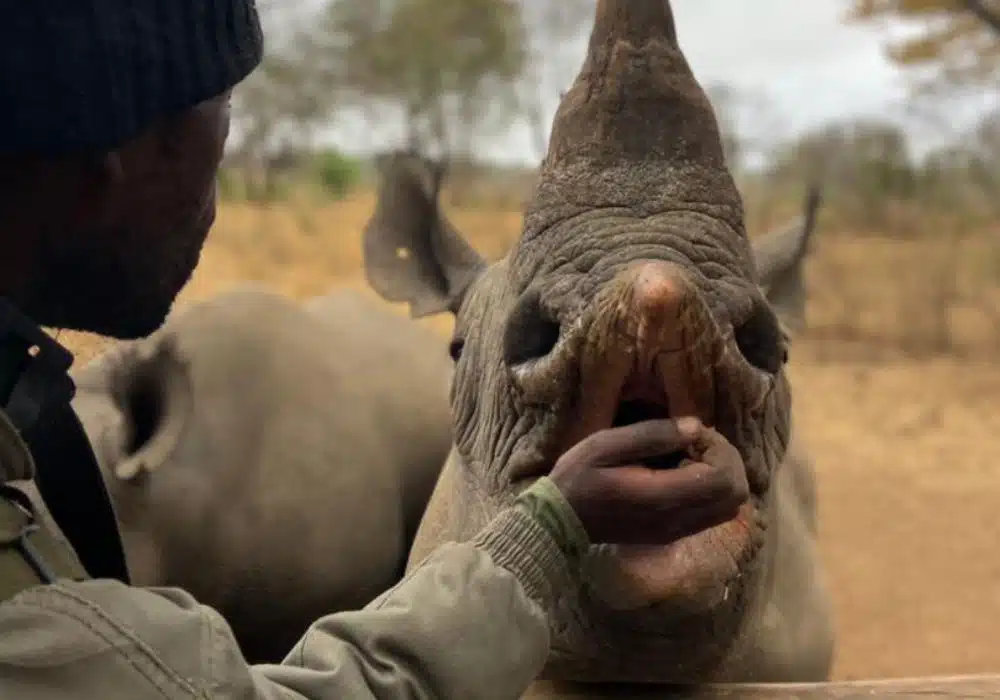
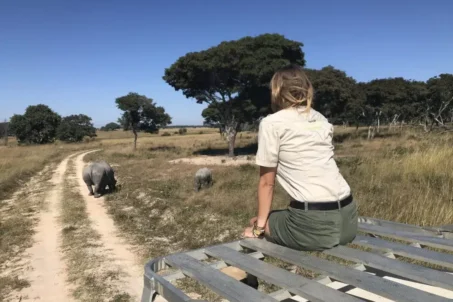
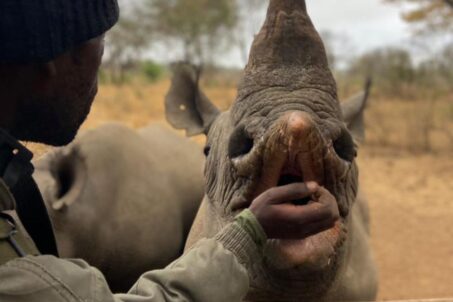
Volunteers play a crucial role in advancing our understanding of rhinos, which are challenging to study in wild environments. By carefully observing and recording rhino behavior, volunteers help identify patterns that contribute to our knowledge base. These observations are invaluable for predicting how rhinos respond to various stimuli and inform best practices for managing both the rhino population and their habitat. This monitoring is particularly vital for tracking the development of younger rhinos. Additionally, volunteers observe feeding habits to prevent overgrazing and overbrowsing, assist in planning rhino movements within the conservancy, and determine if dietary supplements are necessary to maintain a balanced diet. Through these efforts, volunteers contribute significantly to rhino conservation and management strategies.

U.N. Sustainable Development Goals
1. Life on Land
2. Life Below Water
3. Climate Action
4. Responsible Consumption & Production
CONSERVATION
Work With Elephants
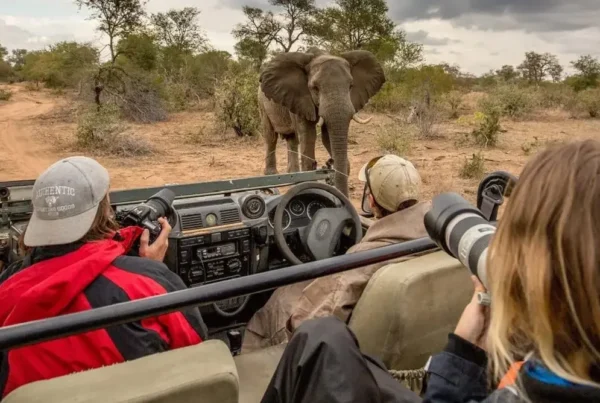
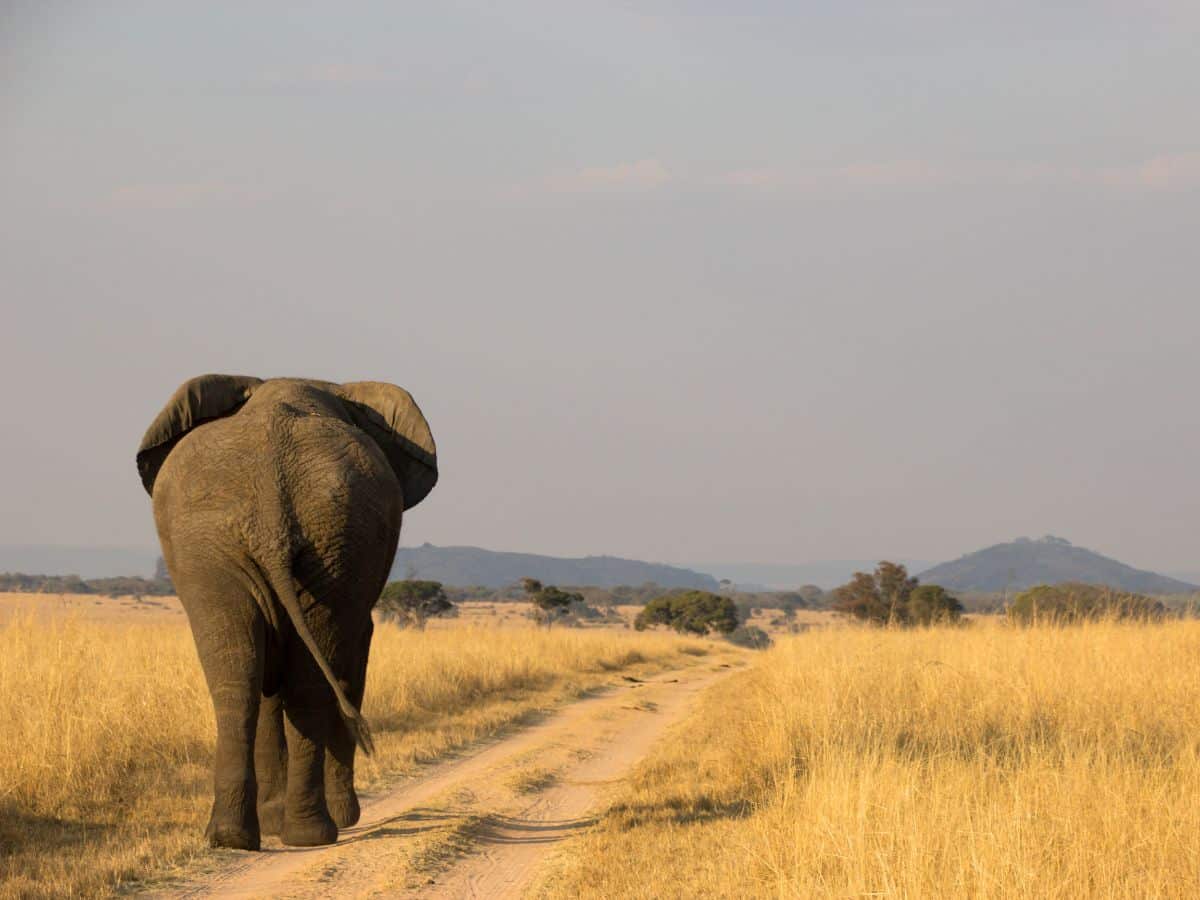
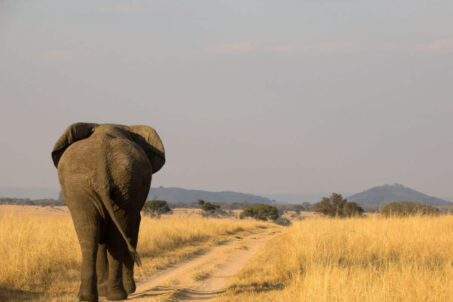
Imire is dedicated to providing its elephants with an environment that closely mimics their natural habitat. These magnificent creatures serve as vital ambassadors for their species, playing a crucial role in educating local communities about conservation. As a volunteer, you’ll contribute by monitoring the elephants’ feeding habits and helping repair any damage they cause within the conservancy. You’ll have the unique opportunity to walk alongside these gentle giants during morning or evening strolls, gaining insights from their experienced handlers. Through these interactions, you’ll deepen your understanding of these iconic animals, learning about the challenges they face in the wild and the ongoing efforts to protect them. This hands-on experience offers a rare glimpse into elephant conservation and management.
U.N. Sustainable Development Goals
1. Life on Land
2. Life Below Water
3. Climate Action
4. Responsible Consumption & Production


CONSERVATION
Conservancy Management
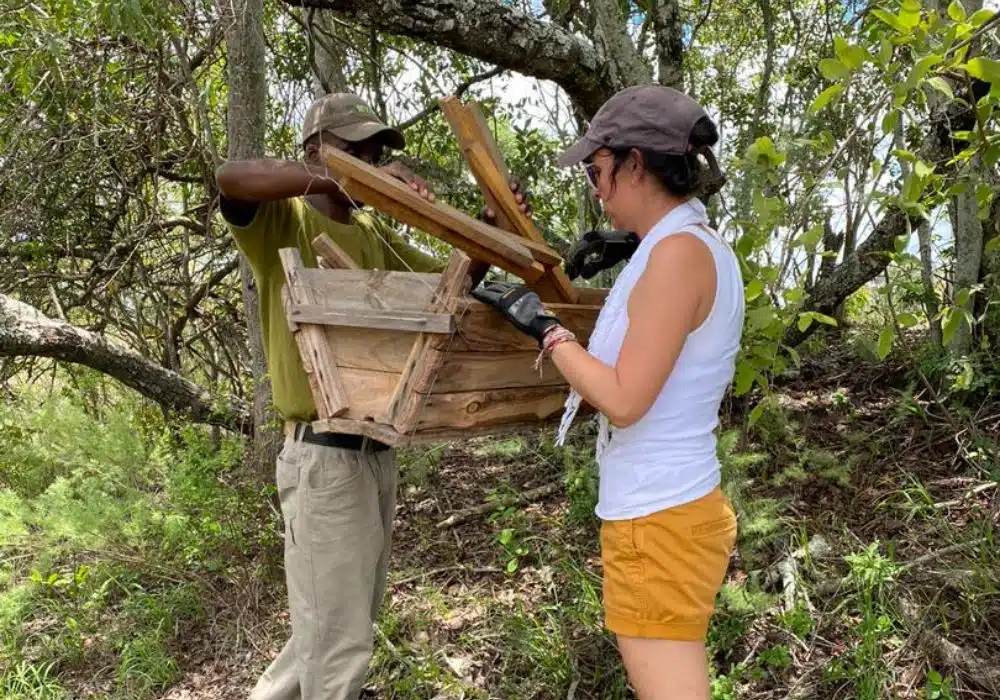
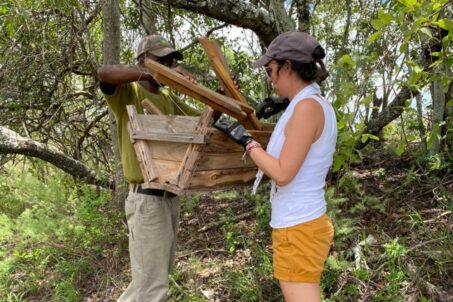
Volunteers play a vital role in maintaining the health and safety of both the wildlife and their habitat. Responsibilities include upkeeping fences, roads, fireguards, and equipment essential for the conservancy’s operation. You will provide nutritional supplements to various animals and contribute to habitat preservation through tree planting, bush clearance, and the removal of invasive species. Volunteers also ensure animal welfare by cleaning and maintaining animal beds. Additionally, they participate in crucial wildlife monitoring activities, conducting game counts both on foot and by vehicle.
U.N. Sustainable Development Goals
1. Life on Land
2. Life Below Water
3. Climate Action
4. Responsible Consumption & Production
Accommodation & Meals
Imire Conservancy, Zimbabwe


Your home away from home in Imire is a comfortable, community-style base with shared accommodation in either a bush camp or farmhouse setting, plus relaxed spaces to unwind between project days.h5>
Imire offers 2 accommodation sites – at either Chiwawe Tented Camp or Numwa House where you will be comfortably accommodated with a maximum of 12 volunteers per site. Rooms are shared with same sex volunteers, of similar ages where possible. Each site has bathrooms with toilets and showers, and all bedding is provided. Chiwawe offers fixed tent accommodation in the heart of the conservancy, whilst Numwa House is a farmhouse-style building with a swimming pool.
We provide three self-serve, home-cooked meals daily. Vegetarian and vegan options are available, and we can accommodate dietary allergies if informed in advance. However, we may not be able to cater to highly specific requirements (such as gluten, dairy, or wheat intolerances). If you have these needs, please bring your own specialist foods. Our chefs will be happy to prepare these alongside standard meals for other volunteers. It’s crucial to notify us of any food allergies or dietary restrictions before your arrival.
This project is not suitable for those with severe peanut allergies.
Life at the Base
Imire Conservancy, Zimbabwe
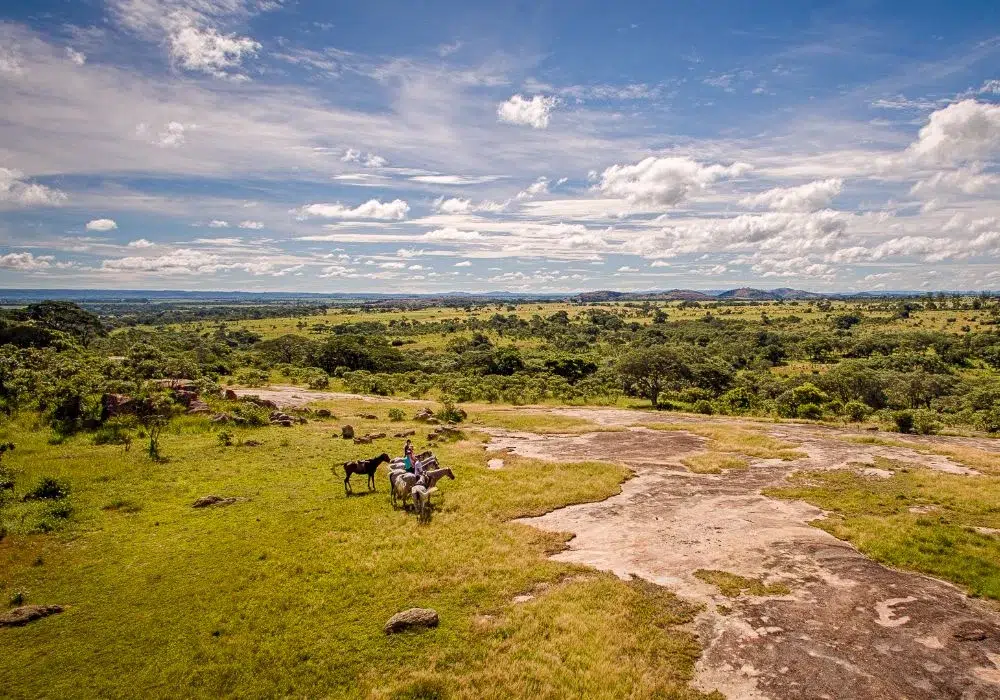
Only 90 minutes from Harare, Imire Conservancy is dedicated to the conservation and welfare of wildlife, with a specific focus on the protection and breeding of the critically endangered black and white rhinoceros. Living on this privately owned conservancy means you’ll be up close and personal with the wildlife! Imagine waking up to the sounds of the African bush, or sharing your breakfast with a curious giraffe – at Imire, these extraordinary experiences become your daily reality.
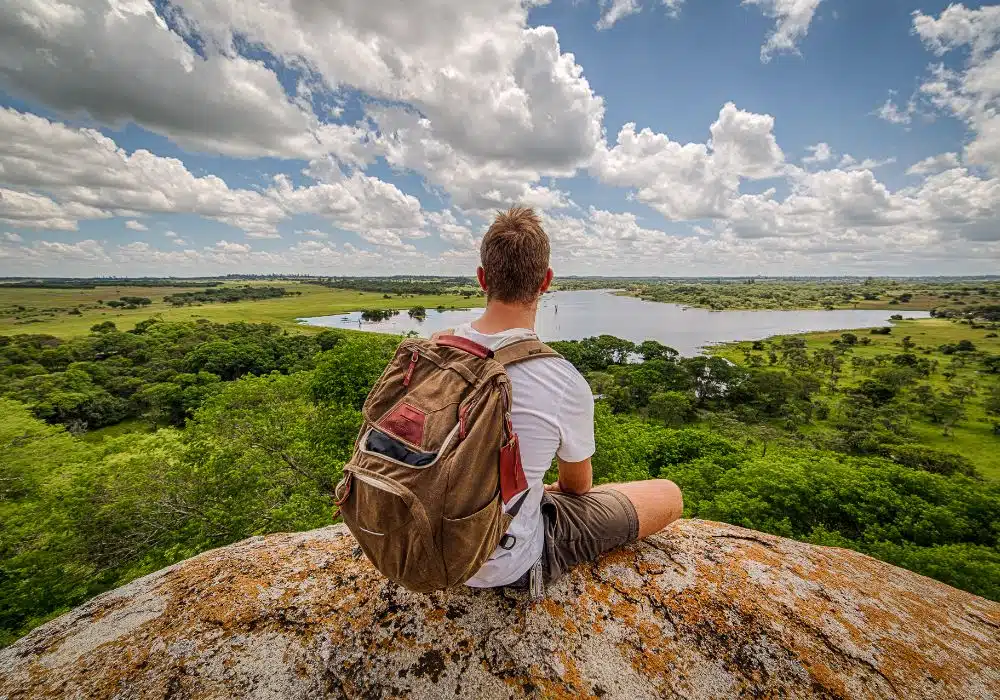
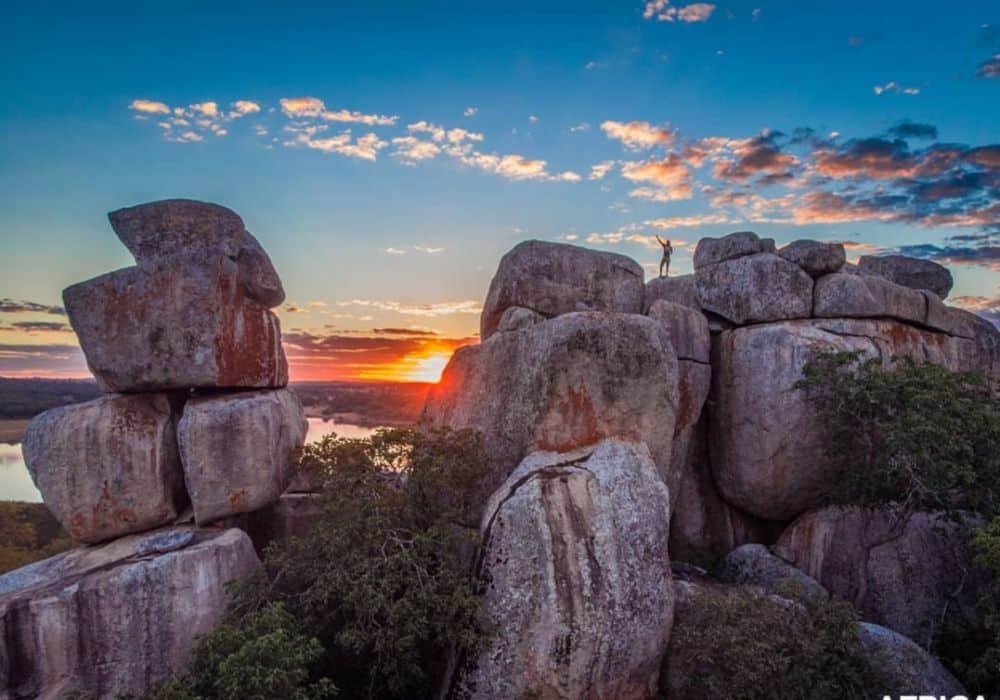
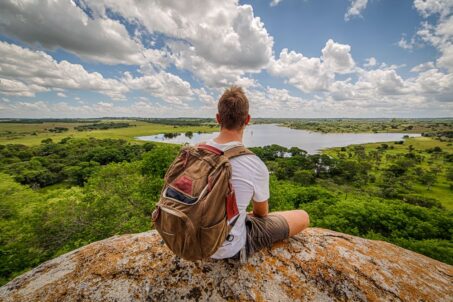
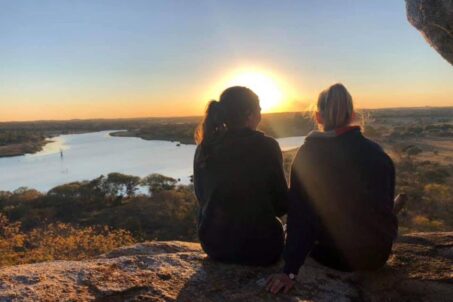
Beyond the rhino work, Imire is a beautiful slice of Zimbabwean wilderness, with open plains, rocky hills and waterholes that draw in a constant cast of wildlife. Between project activities you’ll have time to soak up the bush atmosphere on guided drives and walks, learn about the conservancy’s wider conservation efforts, and enjoy those classic African moments, golden sunsets, a sky full of stars, and animals moving quietly past camp.
Both accommodation sites offer pay-as-you-go WiFi access. Cellphone and 3G coverage is sporadic within the conservancy, so we suggest buying an Econet SIM card upon arriving in Zimbabwe. Keep in mind that power outages are common in Africa, particularly during rainy seasons. As a contingency, we’re equipped with solar-powered lighting and a generator that operates briefly in the mornings and evenings. Plan to charge your devices during these periods to ensure full battery life.
Volunteers should arrange their arrival at Robert Gabriel Mugabe International Airport (HRE) in Harare on Mondays. For those starting their project on arrival day, flights must land no later than 1 pm to catch the complimentary shuttle transfer included in your project fee. We advise against Sunday evening arrivals, as you’ll need to book separate accommodation and return to the airport by 1 pm Monday. While private transfers are available, they come at an additional cost. Please plan your travel accordingly to ensure a smooth start to your volunteer experience.
At the helm of our conservation and community efforts stands the heart of the Imire family, Judy Travers. Her unwavering dedication and compassionate leadership form the foundation of our conservation and community initiatives. Judy’s tireless efforts extend to every corner of our work, championing the welfare of both wildlife and local communities with equal fervor. She embodies the essence of an exemplary leader, role model, and nurturing figure. Her boundless energy and unwavering commitment to the greater good serve as a beacon of hope and a source of motivation for our entire team. Her influence reaches far beyond the boundaries of Imire, inspiring positive change and fostering a deep connection between humans and nature.
At our volunteer projects in Zimbabwe, our goal is always to maintain a high level of quality in the area of safety and support. Our two decades of success running volunteering projects in Africa has relied on ensuring the safety of our volunteers, staff and local communities. From the moment you arrive to the end of your adventure, we take the utmost care in ensuring your comfort and safety as you carry out volunteer work in Zimbabwe. If you want to know more about our health and safety measures, you can review our protocols or contact us with specific questions.
Project Destination
Only 90 minutes from Harare, Imire Conservancy is dedicated to the conservation and welfare of wildlife, with a specific focus on the protection and breeding of the critically endangered black and white rhinoceros. Living on this privately owned conservancy means you’ll be up close and personal with the wildlife! Imagine waking up to the sounds of the African bush, or sharing your breakfast with a curious giraffe – at Imire, these extraordinary experiences become your daily reality.
Communication
Both accommodation sites offer pay-as-you-go WiFi access. Cellphone and 3G coverage is sporadic within the conservancy, so we suggest buying an Econet SIM card upon arriving in Zimbabwe. Keep in mind that power outages are common in Africa, particularly during rainy seasons. As a contingency, we’re equipped with solar-powered lighting and a generator that operates briefly in the mornings and evenings. Plan to charge your devices during these periods to ensure full battery life.
Flights & Arrivals
Volunteers should arrange their arrival at Robert Gabriel Mugabe International Airport (HRE) in Harare on Mondays. For those starting their project on arrival day, flights must land no later than 1 pm to catch the complimentary shuttle transfer included in your project fee. We advise against Sunday evening arrivals, as you’ll need to book separate accommodation and return to the airport by 1 pm Monday. While private transfers are available, they come at an additional cost. Please plan your travel accordingly to ensure a smooth start to your volunteer experience.
Staff
At the helm of our conservation and community efforts stands the heart of the Imire family, Judy Travers. Her unwavering dedication and compassionate leadership form the foundation of our conservation and community initiatives. Judy’s tireless efforts extend to every corner of our work, championing the welfare of both wildlife and local communities with equal fervor. She embodies the essence of an exemplary leader, role model, and nurturing figure. Her boundless energy and unwavering commitment to the greater good serve as a beacon of hope and a source of motivation for our entire team. Her influence reaches far beyond the boundaries of Imire, inspiring positive change and fostering a deep connection between humans and nature.
Safety
At our volunteer projects in Zimbabwe, our goal is always to maintain a high level of quality in the area of safety and support. Our two decades of success running volunteering projects in Africa has relied on ensuring the safety of our volunteers, staff and local communities. From the moment you arrive to the end of your adventure, we take the utmost care in ensuring your comfort and safety as you carry out volunteer work in Zimbabwe. If you want to know more about our health and safety measures, you can review our protocols or contact us with specific questions.
...the joy of making a real impact...
“What makes Imire different is that we felt treated like family, not tourists. The staff, and our incredible guide made us feel at home in a country so far away from home. That made our kids want to stay for another week, work with the elephants and rhinos, enjoy the delicious meals and desserts and learn about surviving in the bush. We thought Zimbabwe was our destination, but instead, Imire was, and is, from all our travels, the first place we are sure we will return to.”
Ted Manasa, USA

Pricing
Rates
| Duration | Program Fee |
|---|---|
| 2 weeks | $2,710 ($1,355 per week) |
| 3 weeks | $3,825 ($1,275 per week) |
| 4 weeks | $4,880 ($1,220 per week) |
| 5 weeks | $5,995 ($1,199 per week) |
| 6 weeks | $6,990 ($1,165 per week) |
| 8 weeks | $9,100 ($1,138 per week) |
| 10 weeks | $11,205 ($1,121 per week) |
| 12 weeks | $13,315 ($1,110 per week) |
| 2 weeks | £2,170 (£1,085 per week) |
| 3 weeks | £3,060 (£1,020 per week) |
| 4 weeks | £3,905 (£977 per week) |
| 5 weeks | £4,800 (£960 per week) |
| 6 weeks | £5,595 (£933 per week) |
| 8 weeks | £7,280 (£910 per week) |
| 10 weeks | £8,965 (£897 per week) |
| 12 weeks | £10,655 (£888 per week) |
| 2 weeks | €2,495 (€1,248 per week) |
| 3 weeks | €3,520 (€1,174 per week) |
| 4 weeks | €4,490 (€1,123 per week) |
| 5 weeks | €5,515 (€1,103 per week) |
| 6 weeks | €6,435 (€1,073 per week) |
| 8 weeks | €8,375 (€1,047 per week) |
| 10 weeks | €10,310 (€1,031 per week) |
| 12 weeks | €12,250 (€1,021 per week) |
| 2 weeks | $4,015 ($2,008 per week) |
| 3 weeks | $5,660 ($1,887 per week) |
| 4 weeks | $7,225 ($1,807 per week) |
| 5 weeks | $8,875 ($1,775 per week) |
| 6 weeks | $10,345 ($1,725 per week) |
| 8 weeks | $13,470 ($1,684 per week) |
| 10 weeks | $16,585 ($1,659 per week) |
| 12 weeks | $19,710 ($1,643 per week) |
Inclusions
- Cottage or fixed tent style accommodation with swimming pools
- Breakfast, lunch and dinner (Mon - Sun)
- Airport transfers on arrival and departure
- All project transport, equipment and resources
- Support from experienced local and international staff
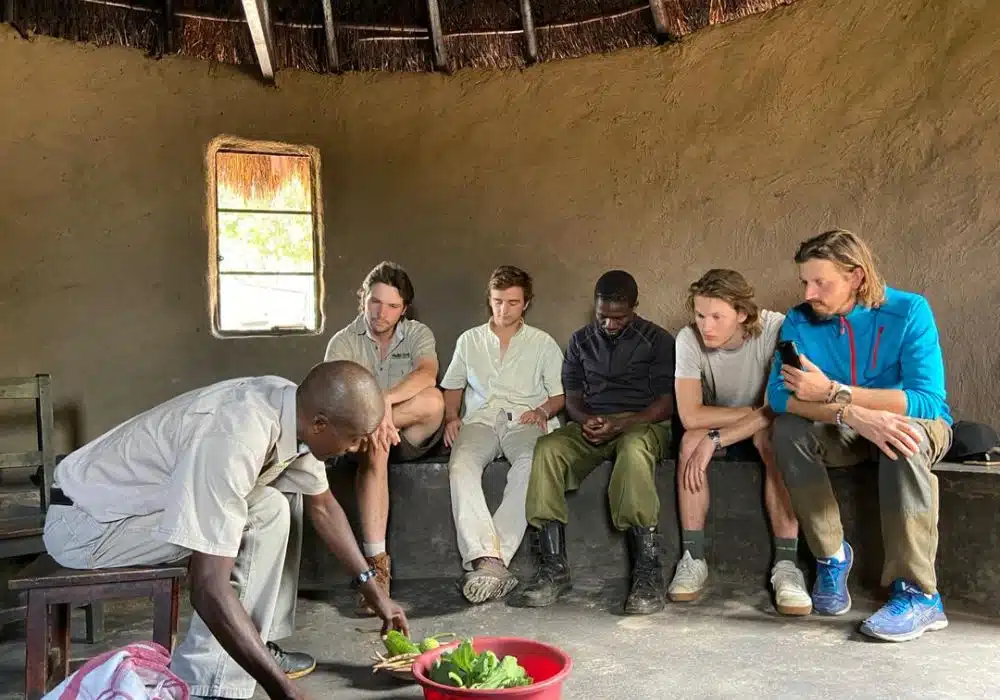
- Full orientation for responsible project contribution
Exclusions
- Flights
- Visas
- Insurance
- Weekend tours
- Personal expenses
Requirements
- The minimum age to join this project is 18 years old
- The minimum stay for this project is 2 weeks
Award-winning Volunteer and Internship Projects Since 2004


Enquire now
Volunteering in Africa means travelling with purpose- joining meaningful community or conservation projects, where you pay to cover your stay and project costs, turning your trip into an immersive, impactful experience rather than a traditional holiday.
"*" indicates required fields
Project faqs
What Are The Benefits Of Becoming A Black Rhino Conservation Volunteer?
Rhino conservation volunteers and their contributions of time, energy and passion are critical to the survival of small conservancies like Imire game reserve, who receive no government investment or support and rely on the support of private individuals and organizations to continue to do their vital black rhino conservation work day-to-day.
What Does A Typical Day Look Like For An Elephant And Rhino Conservation Volunteer In Zimbabwe?
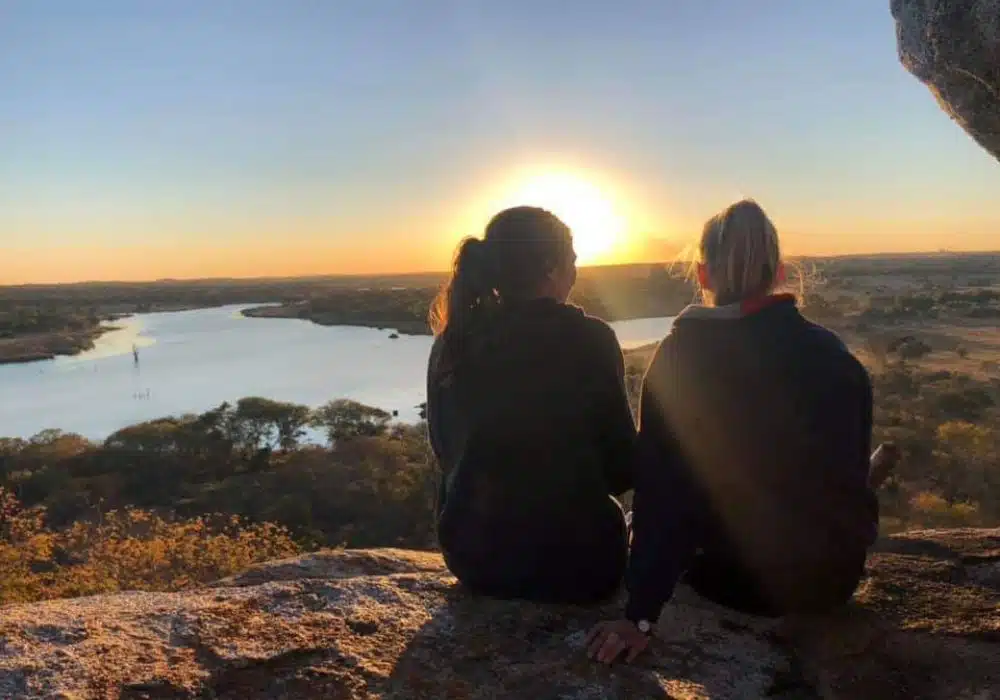
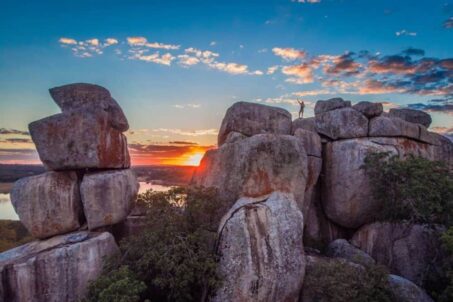
After an early coffee and rusk, you may head out into the conservancy to locate one of the focus species (either black or white rhino or elephants). You’ll spend time observing amazing animals and learning how to track them from our experienced rangers. Your afternoon activity could be fixing fences, a snare patrol, or a building project in the conservancy. Then you could have a sunset climb up Castle Kopje, or walk with the elephants as they return to their overnight boma.
Do I Need Experience To Volunteer With Wildlife?
No prior experience is required! What truly matters is your enthusiasm for African wildlife and a willingness to learn. So, if you’re eager to immerse yourself in the world of wildlife conservation, don’t let a lack of experience hold you back!
Our favourite weekend activities in Zimbabwe
Zimbabwe is a Southern African country known for its abundance of diverse wildlife and varied landscape – ranging from vast grassy savannas to tropical forests.