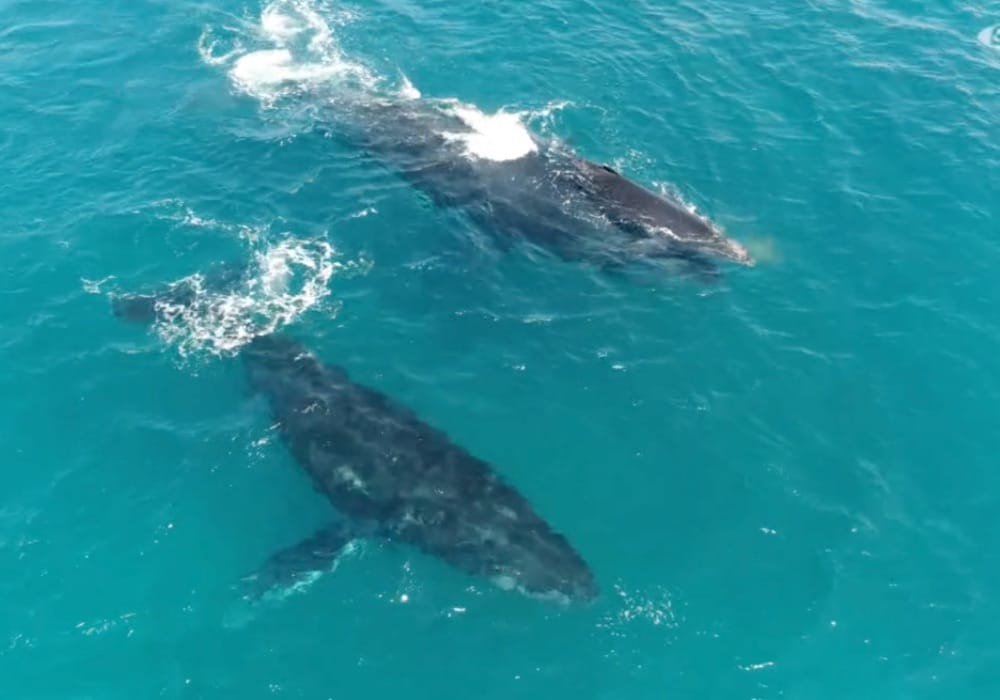



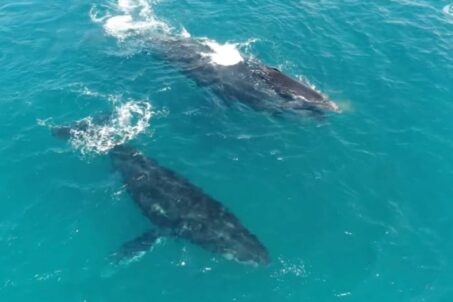
Each year, thousands of humpback whales arrive along Mozambique’s coastline to mate, give birth, and nurse their calves in warm tropical waters. This marine conservation project places you in the heart of that seasonal migration, working alongside researchers who study and protect these remarkable animals. As a volunteer, you’ll head out to sea on regular research expeditions, helping monitor whale behaviour, movement patterns and population dynamics. These observations contribute to ongoing conservation research aimed at protecting one of the most important humpback whale breeding grounds in the Indian Ocean. When you’re not on the water, you’ll help log research data, learn about marine ecology, and explore the coastal ecosystems that make this region so unique.

Humpback Whale Conservation in Mozambique
VOLUNTEER
CONSERVATION
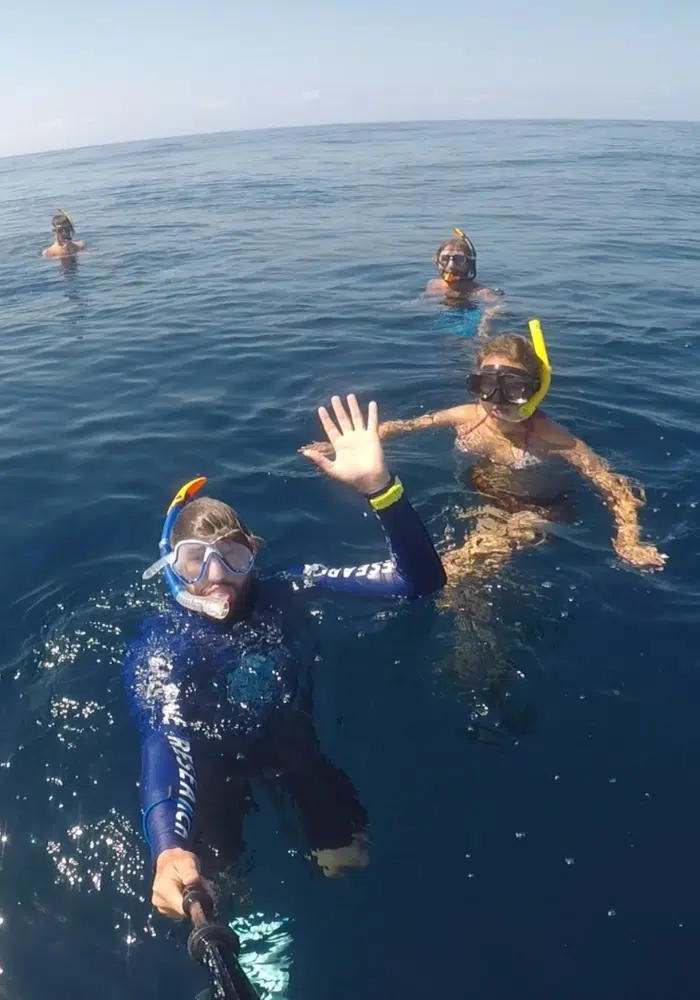
Monitor the Giants of the Ocean
Project highlights
-
Join whale research expeditions
To monitor humpback whales during their seasonal migration.
-
Learn marine research techniques
In photo-identification, behaviour observation and marine life monitoring.
-
Study whales in their breeding grounds
Observe mothers and calves in one of the Indian Ocean’s key whale nurseries.
-
Be part of a conservation team
Work alongside marine researchers protecting ocean wildlife.

Inhambane, Mozambique

Available: Jun-Sep

Duration: 2 Weeks+

Price From $2,945 This cost covers your accommodation, meals, project fees, transfers, 24/7 support and in-country orientation.



What You’ll Do as a Humpback Whale Conservation Volunteer
This project combines marine fieldwork, conservation research, and environmental education. You’ll be directly involved in monitoring humpback whales while gaining insight into the broader marine ecosystem they depend on.
Whale Monitoring & Boat-Based Research
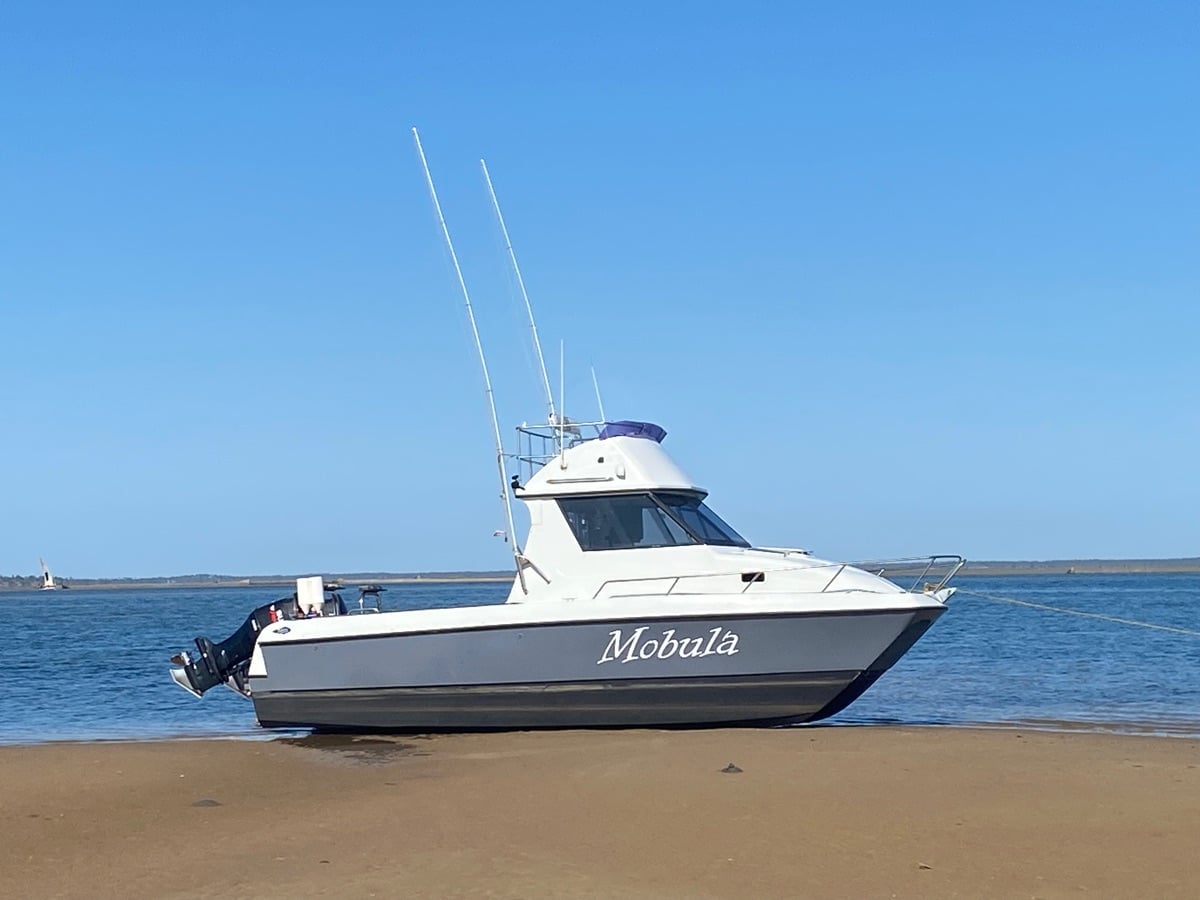
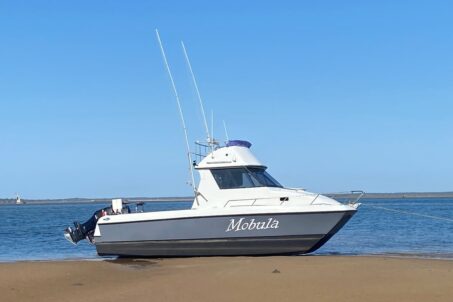
A large part of your time will be spent out on the water. During weekly research expeditions, you’ll join the team searching for humpback whales migrating through the region. Once whales are located, volunteers assist with recording behavioural observations, group size, and movement patterns. You’ll learn how researchers track whales and document interactions between individuals, particularly mothers and calves. Photo-identification is another key component of the research. By photographing the distinctive markings on whale flukes, researchers can identify individual whales and monitor them over time. This data helps scientists understand migration routes, population health, and long-term trends in whale behaviour.

Life Below Water
Marine Research Skills & Data Collection
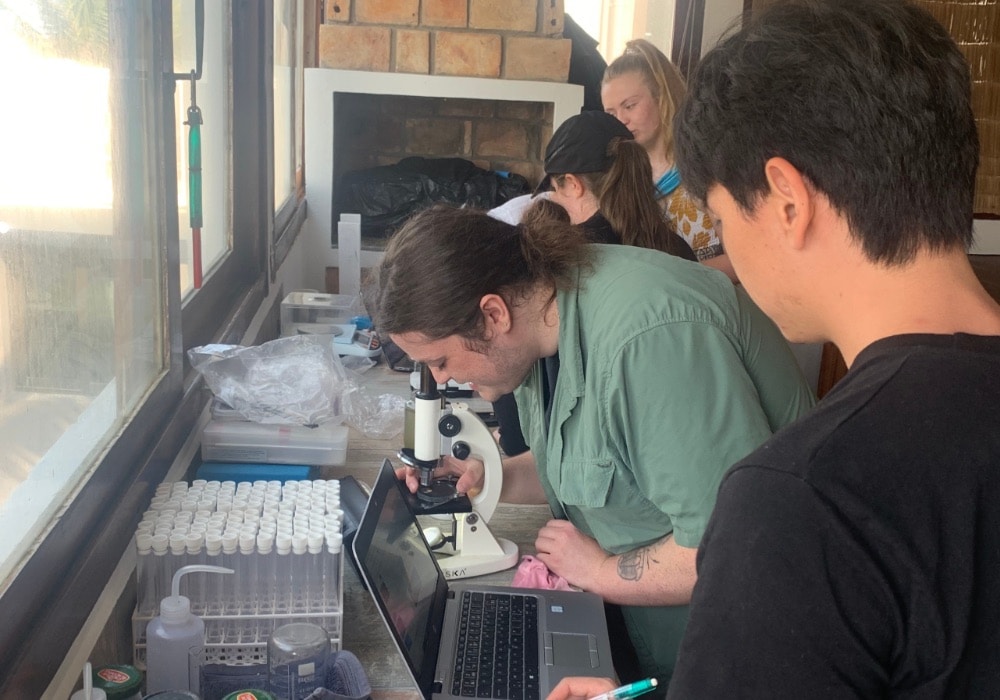
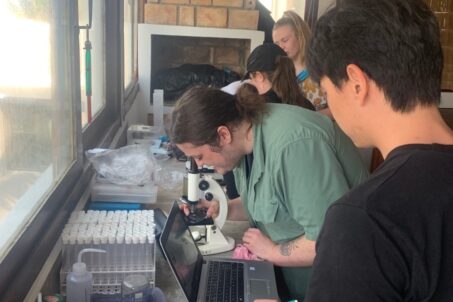
Alongside time on the water, you’ll gain insight into the research techniques used by marine scientists studying large marine mammals. Volunteers help document whale sightings and behaviour during boat trips, contributing observations that support long-term monitoring of the migration. You’ll also assist with photographic identification, learning how researchers use distinctive markings on whale flukes to recognise individual whales and track them over time. Back on land, you’ll help organise and log the day’s observations alongside the research team. This is where raw field notes become structured datasets, forming the foundation for conservation research.
Life Below Water
Ocean Exploration & Marine Ecosystems
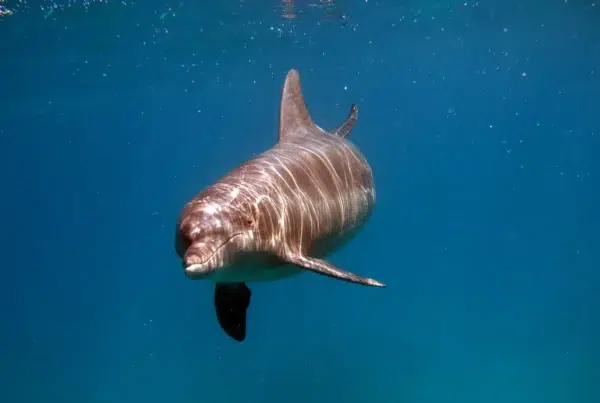
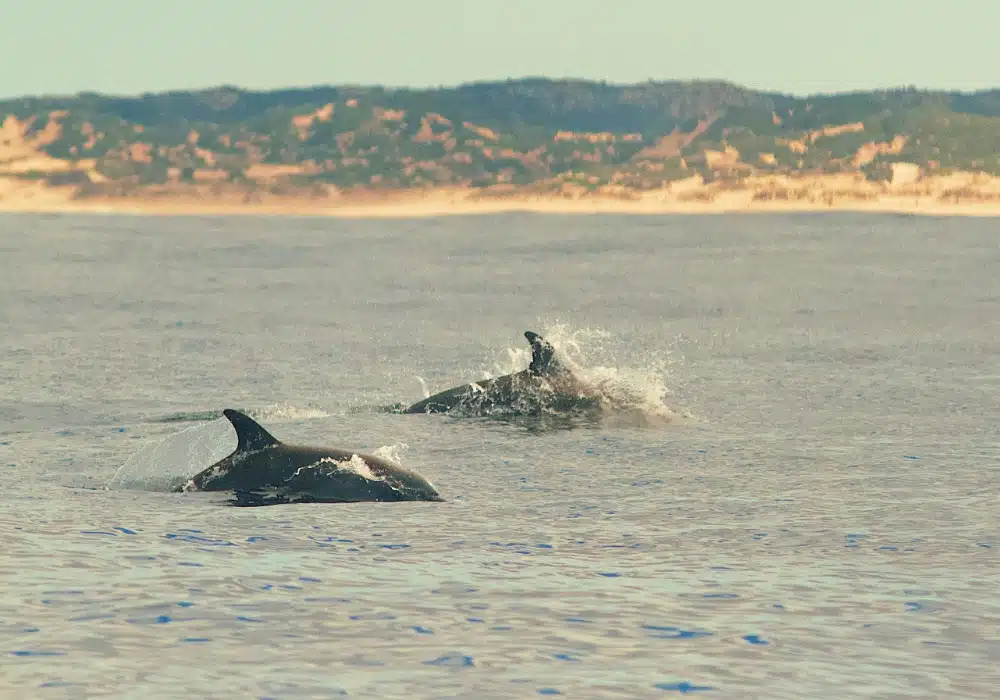
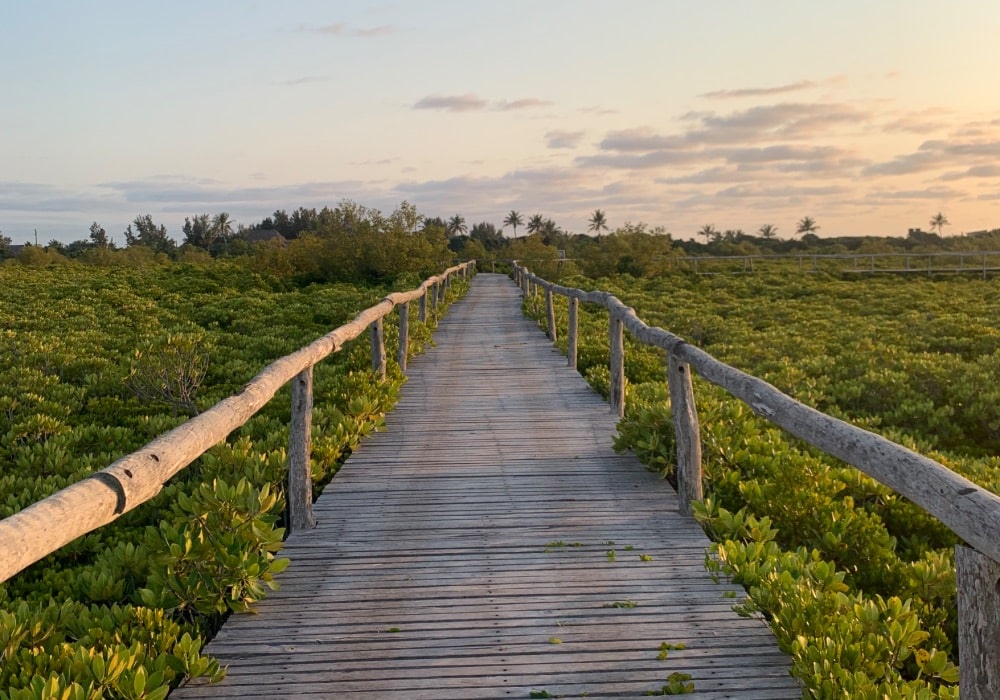
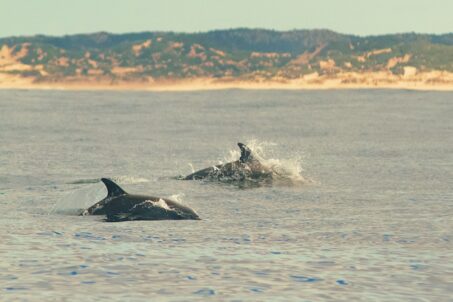
Beyond whales, the waters along Mozambique’s coastline are home to an incredible diversity of marine life. Dolphins, whale sharks, manta rays, and vibrant coral reefs all form part of the broader ecosystem. When conditions allow, volunteers may take part in snorkelling sessions in protected coastal areas, giving you a closer look at reef systems and marine biodiversity. These activities help build a broader understanding of how different species and habitats are connected within the ocean environment.
Life Below Water
Project Location
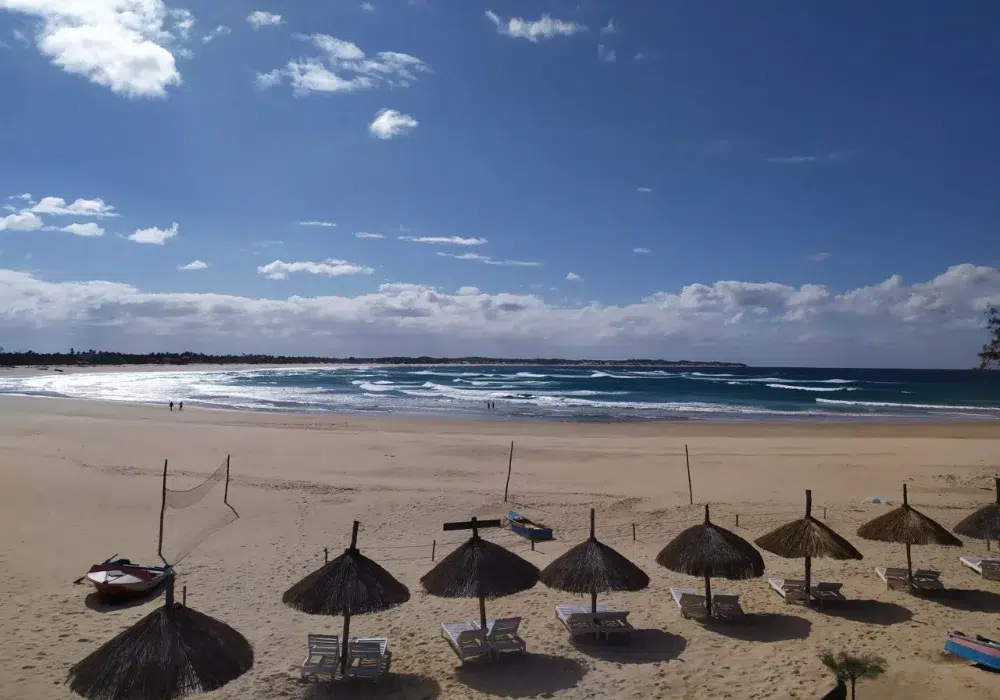
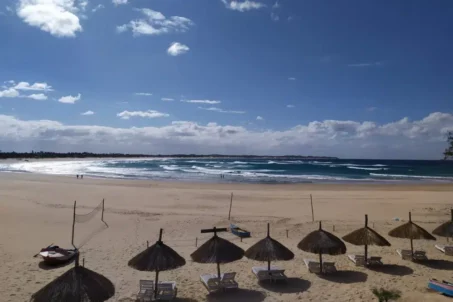
Barra Beach, Mozambique


Coastal Life in Southern Mozambique
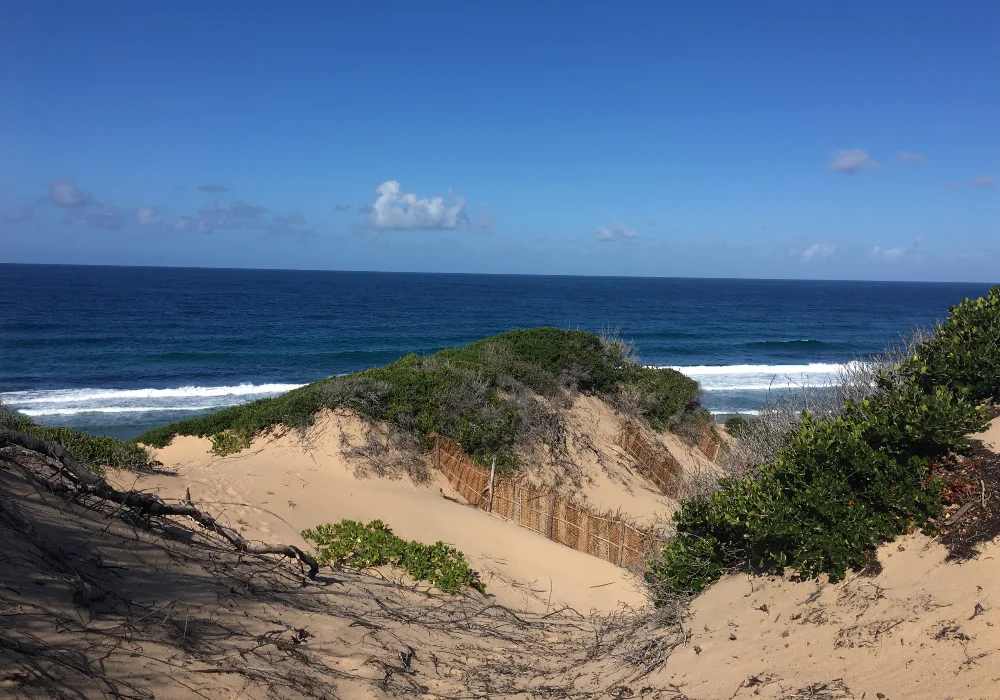
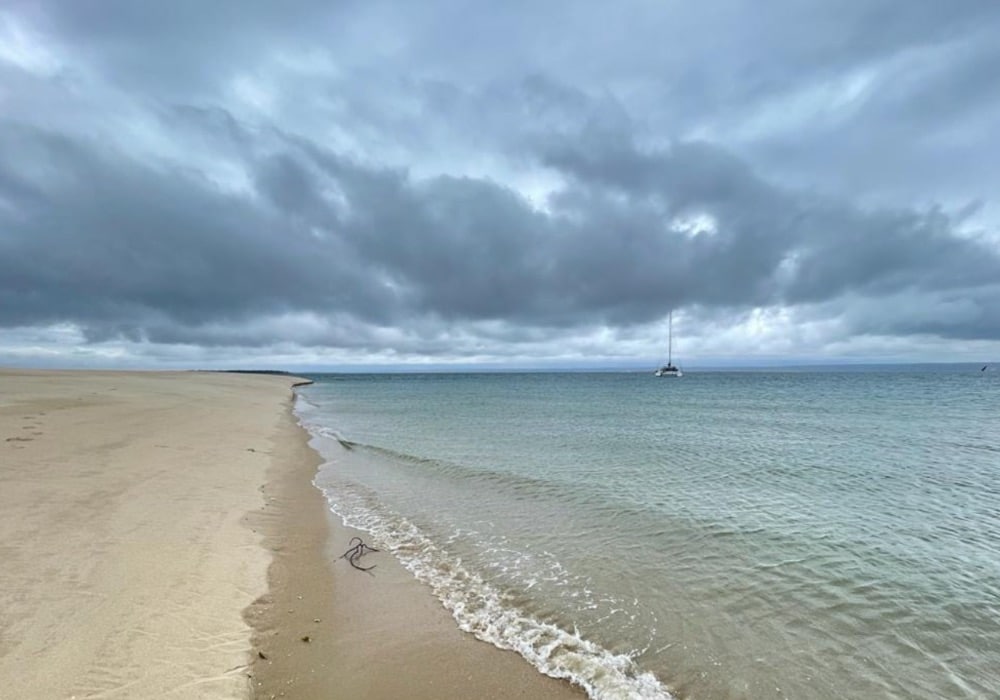
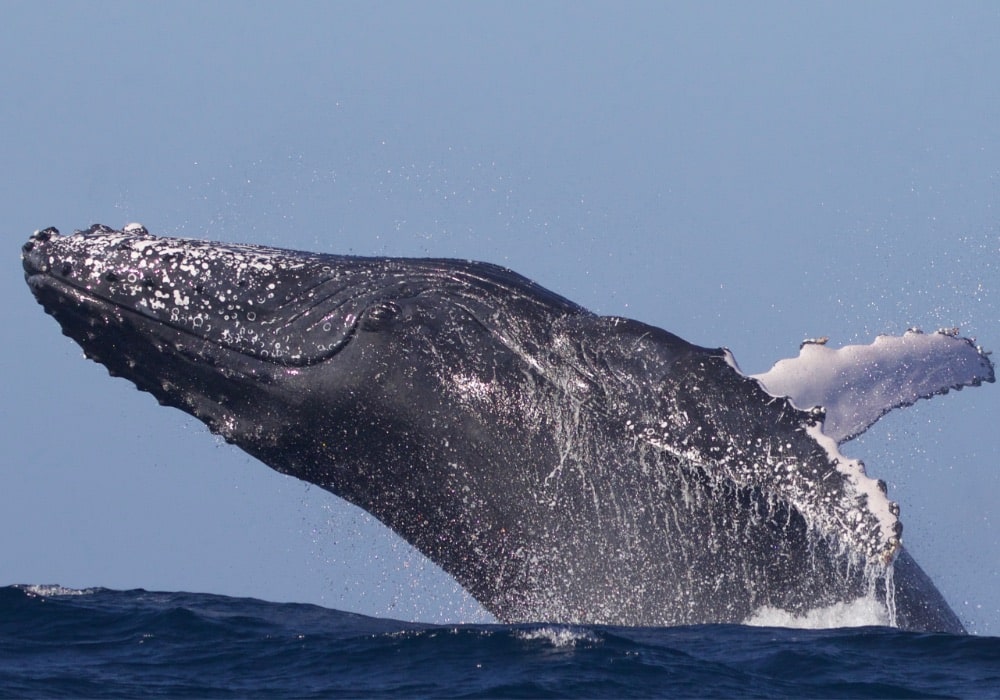
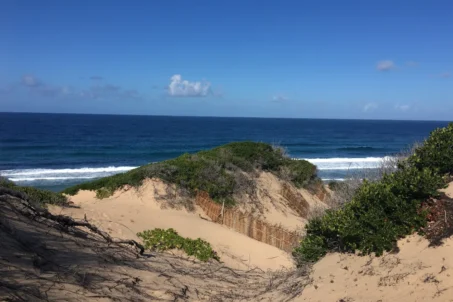
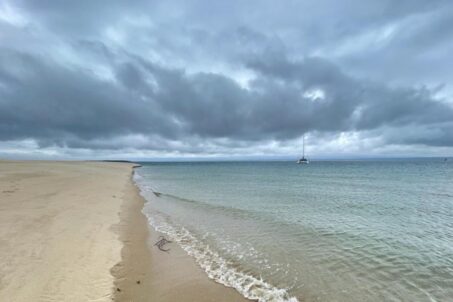
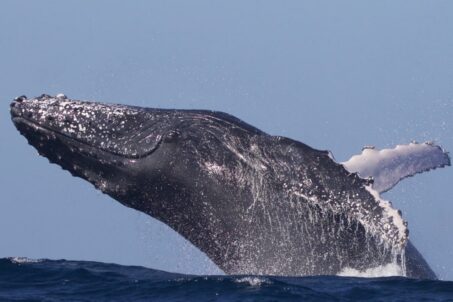
The project takes place along Mozambique’s tropical coastline, where warm Indian Ocean waters meet long stretches of white sand beaches and vibrant coral reefs. During the whale migration season, the ocean becomes a migration highway for humpback whales travelling between Antarctic feeding grounds and tropical breeding areas. From July to September, sightings are frequent as whales breach, tail-slap, and travel along the coast.
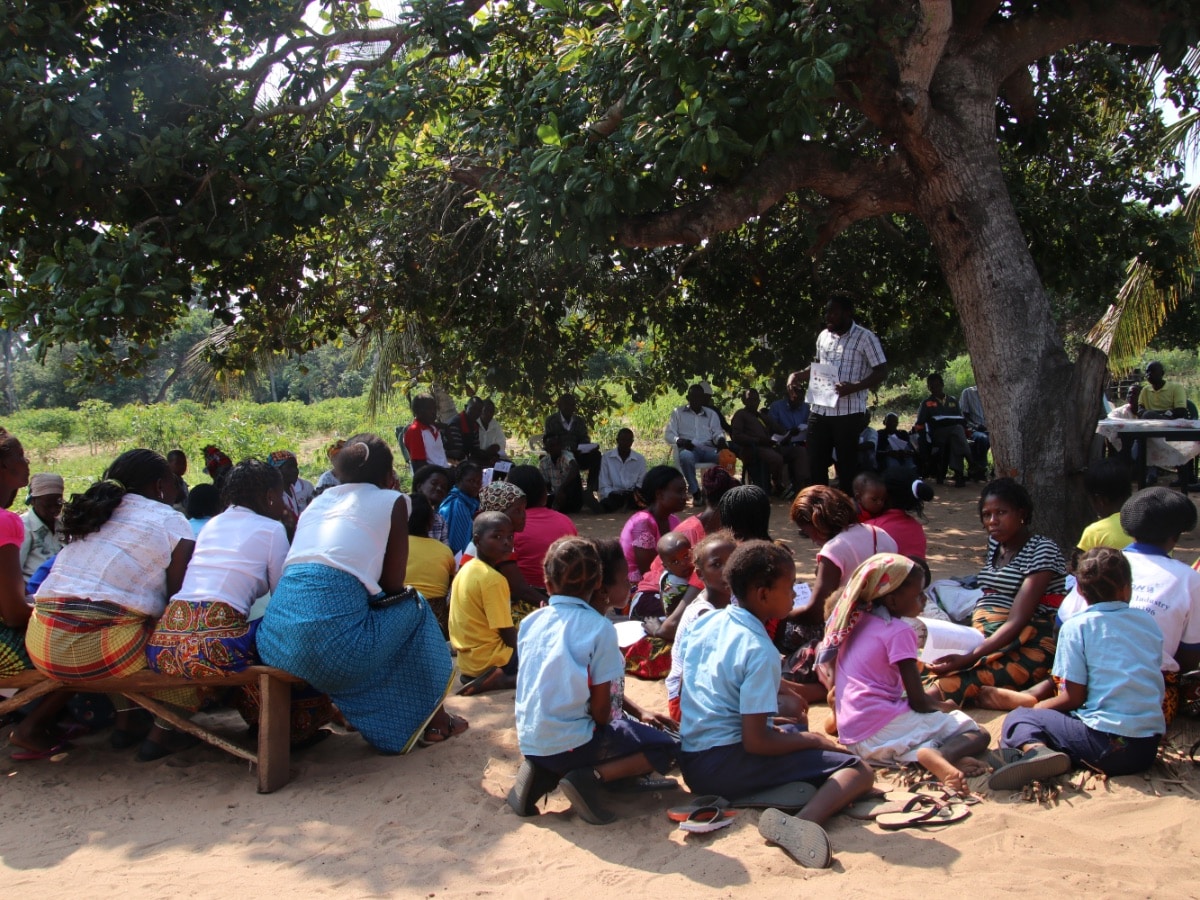
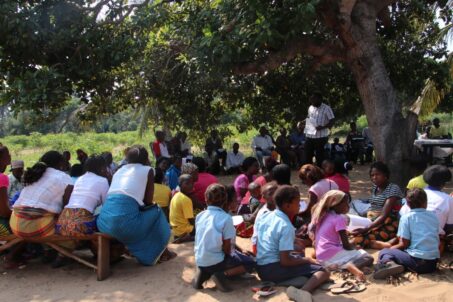
Outside of project activities, volunteers can enjoy the relaxed pace of coastal life. Time off often includes beach walks, ocean swims, exploring nearby fishing villages, or joining optional diving and snorkelling excursions.
Popular weekend activities include:
- Snorkelling or diving on nearby reefs
- Exploring coastal villages and markets
- Relaxing on remote beaches
- Joining boat trips to spot marine wildlife
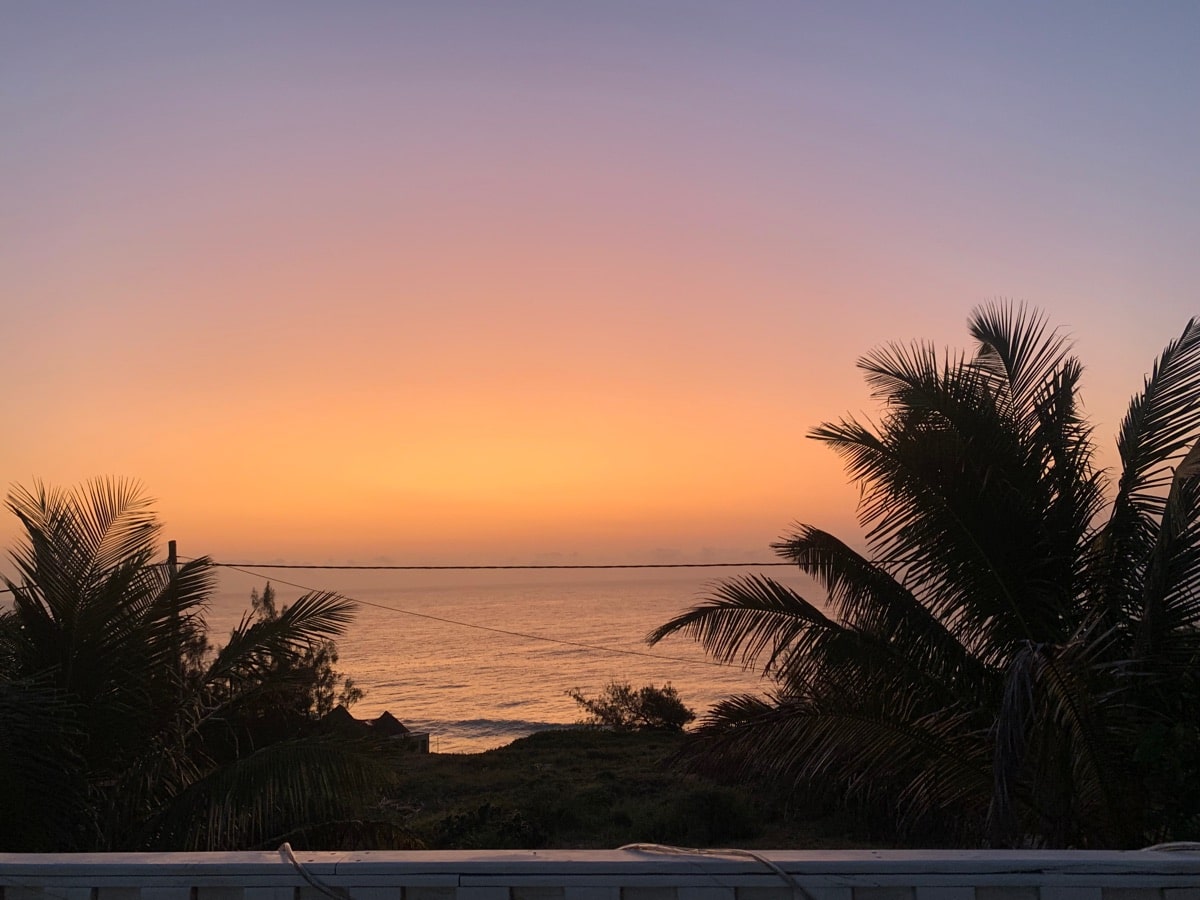
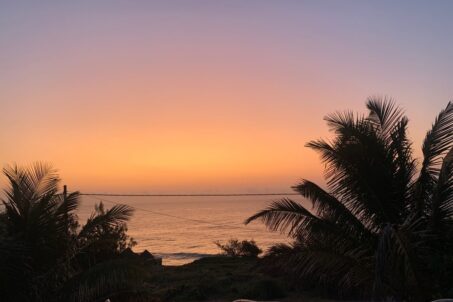
- Watching spectacular sunsets over the Indian Ocean
Accommodation
Your Volunteer Home on the Mozambican Coast


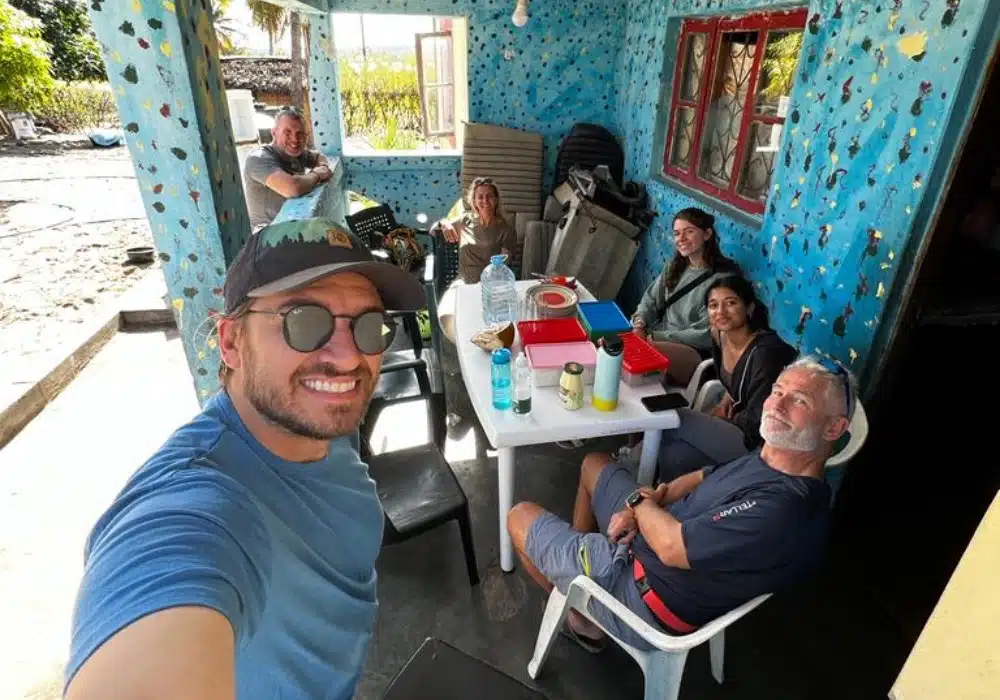
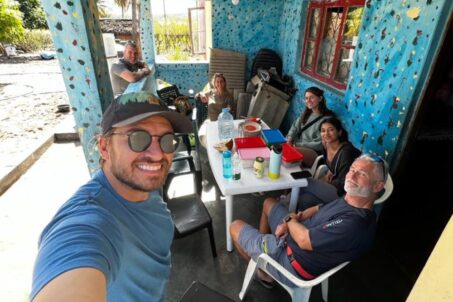
You’ll stay in shared volunteer accommodation close to the beach, creating a relaxed and social environment where volunteers quickly feel part of the community. Rooms are shared with fellow volunteers and provide comfortable, simple living spaces designed for a coastal lifestyle.
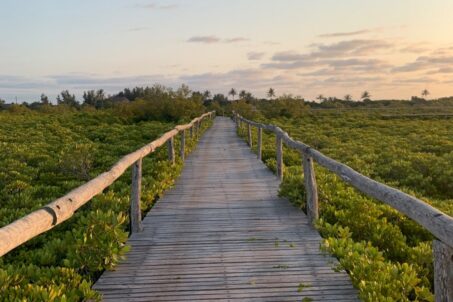
Communal areas encourage shared meals, project discussions, and evenings spent reflecting on the day’s sightings and experiences. Living near the ocean means the beach is always close by, and many volunteers start or end their day with a walk along the shoreline.
Meals are typically simple, fresh, and influenced by Mozambican coastal cuisine. Seafood, rice, vegetables, and tropical ingredients often feature on the menu. Weekdays usually include shared meals prepared at the volunteer house, while weekends provide opportunities to explore local cafés, beach restaurants, and markets.
You’ll be supported by a dedicated team of marine researchers, conservation staff, and programme coordinators who oversee daily project activities. They provide training, guide research expeditions, and share insights into the science and conservation work happening along Mozambique’s coastline. Their experience ensures volunteers gain meaningful exposure to marine research while contributing to ongoing conservation efforts.
Wi-Fi is available at the volunteer accommodation, though speeds can vary depending on location and weather conditions. Many volunteers also choose to purchase a local SIM card for mobile data during their stay. Occasional power interruptions may occur, which is common in some coastal regions, but the team will help ensure volunteers remain comfortable and connected.
Volunteer safety is a priority. You’ll receive a full induction covering boat safety, ocean awareness, and emergency procedures before participating in any marine activities. All research trips are conducted with experienced skippers and trained staff, and safety equipment is provided. Staff remain available throughout your stay to ensure a safe and supportive volunteering experience.
Accommodation
You’ll stay in shared volunteer accommodation close to the beach, creating a relaxed and social environment where volunteers quickly feel part of the community. Rooms are shared with fellow volunteers and provide comfortable, simple living spaces designed for a coastal lifestyle.
Communal areas encourage shared meals, project discussions, and evenings spent reflecting on the day’s sightings and experiences. Living near the ocean means the beach is always close by, and many volunteers start or end their day with a walk along the shoreline.
The Meals
Meals are typically simple, fresh, and influenced by Mozambican coastal cuisine. Seafood, rice, vegetables, and tropical ingredients often feature on the menu. Weekdays usually include shared meals prepared at the volunteer house, while weekends provide opportunities to explore local cafés, beach restaurants, and markets.
Support Team
You’ll be supported by a dedicated team of marine researchers, conservation staff, and programme coordinators who oversee daily project activities. They provide training, guide research expeditions, and share insights into the science and conservation work happening along Mozambique’s coastline. Their experience ensures volunteers gain meaningful exposure to marine research while contributing to ongoing conservation efforts.
Safety
Volunteer safety is a priority. You’ll receive a full induction covering boat safety, ocean awareness, and emergency procedures before participating in any marine activities. All research trips are conducted with experienced skippers and trained staff, and safety equipment is provided. Staff remain available throughout your stay to ensure a safe and supportive volunteering experience.
Connectivity
Wi-Fi is available at the volunteer accommodation, though speeds can vary depending on location and weather conditions. Many volunteers also choose to purchase a local SIM card for mobile data during their stay. Occasional power interruptions may occur, which is common in some coastal regions, but the team will help ensure volunteers remain comfortable and connected.
...the joy of making a real impact...
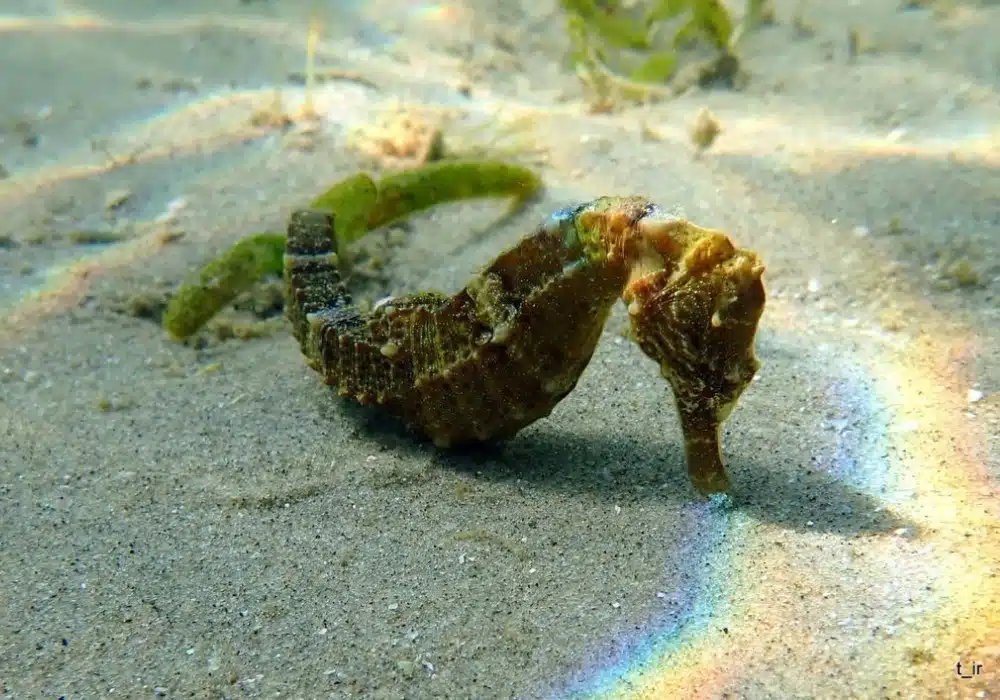
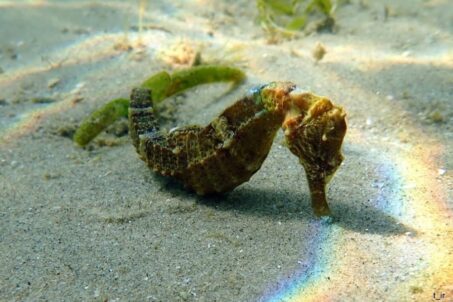
“I volunteered at this project for 2 months and had an amazing time. I saw humpback whales close up, including calves, and had hands on experience with data collection and photo identification. I learned so much. In addition to helping with research, the organisers arranged other great activities for me, including snorkelling in the estuary where I saw seahorses and tons of starfish, a tour of the local community in the Inhambane area, kayaking in the mangroves, and surfing lessons. I also had the opportunity to swim with whale sharks and dolphins while I was there. Staff was great – very nice people, great sense of humor. I met some great people there too. It was an experience I will never forget.”
Lauren Swift, United States
Pricing
Rates
| Duration | Program Fee |
|---|---|
| 2 weeks | $2,945 ($1,473 per week) |
| 3 weeks | $3,645 ($1,215 per week) |
| 4 weeks | $4,345 ($1,087 per week) |
| 5 weeks | $5,045 ($1,009 per week) |
| 6 weeks | $5,745 ($958 per week) |
| 8 weeks | $7,145 ($894 per week) |
| 2 weeks | £2,355 (£1,178 per week) |
| 3 weeks | £2,915 (£972 per week) |
| 4 weeks | £3,475 (£869 per week) |
| 5 weeks | £4,035 (£807 per week) |
| 6 weeks | £4,595 (£766 per week) |
| 8 weeks | £5,715 (£715 per week) |
| 2 weeks | €2,710 (€1,355 per week) |
| 3 weeks | €3,355 (€1,119 per week) |
| 4 weeks | €4,000 (€1,000 per week) |
| 5 weeks | €4,645 (€929 per week) |
| 6 weeks | €5,285 (€881 per week) |
| 8 weeks | €6,575 (€822 per week) |
| 2 weeks | $4,360 ($2,180 per week) |
| 3 weeks | $5,395 ($1,799 per week) |
| 4 weeks | $6,430 ($1,608 per week) |
| 5 weeks | $7,470 ($1,494 per week) |
| 6 weeks | $8,505 ($1,418 per week) |
| 8 weeks | $10,575 ($1,322 per week) |
Inclusions
- Shared house style accommodation on beachfront
- Breakfast, lunch and dinner (Mon - Sat)
- Laundry service
- Airport transfers on arrival and departure
- All project transport, equipment and resources
- Support from experienced local and international staff
- Full orientation for responsible project contribution
Exclusions
- Flights
- Visas
- Insurance
- Weekend tours
- Personal expenses
Requirements
- The minimum age to join this project is 18 years old
- The minimum stay for this project is 2 weeks
Flights & Arrivals
The closest airport is Inhambane Airport (INH), around a 45-minute drive from base. Many volunteers travel via Johannesburg, connecting onward via Maputo before flying to Inhambane, and we’ll arrange your transfer and meet you on arrival.
Flights to Inhambane do not operate every day, so an overnight stopover can sometimes be necessary. If needed, the team will meet you at Inhambane Airport or arrange a trusted taxi transfer for you. There are also overland options including local buses and chapas, or a private shuttle from Johannesburg that runs twice weekly and should be booked in advance.
Award-winning Volunteer and Internship Projects Since 2004


Enquire now
Volunteering in Africa means travelling with purpose- joining meaningful community or conservation projects, where you pay to cover your stay and project costs, turning your trip into an immersive, impactful experience rather than a traditional holiday.
"*" indicates required fields
Project faqs
Do I need to be a certified scuba diver to participate?
You are not required to be a certified scuba diver to join this project. However, if you wish to complete your scuba certification whilst in Mozambique, please let our Destination Team know so you can receive the correct rate.
How many species of whales exist?
There are approximately 12 different species of whales with various subspecies. Whales are also divided into two main categories – baleen whales and toothed whales. Baleen whales include species like grey whales, pygmy right whales, right whales, and rorquals, which include blue whales, fin whales, and humpback whales. Toothed whales include species like beaked whales, dolphins, killer whales, pilot whales, porpoises, sperm whales, and white whales. Our whale conservation volunteer projects are focused primarily on the protection of humpback whales.
How can I help save humpback whales?
By participating in this whale volunteer program, you will gain experience working with a team of volunteers, marine biologists and other scientists where you can help conduct research, assist in the development of marine conservation, and study and protect humpback whales. If you are unable to become a whale conservation volunteer, you can still help save and protect whales by supporting conservation programs in your local community, including beach and ocean clean ups, marine research projects, and other efforts.
Our favourite weekend activities in Mozambique
Make the most of your free time in Mozambique – from laid-back Tofo beach days and ocean adventures to yoga sessions, nightlife, and weekends exploring further afield.