



Turtle & Marine Conservation in Kenya
VOLUNTEER
CONSERVATION
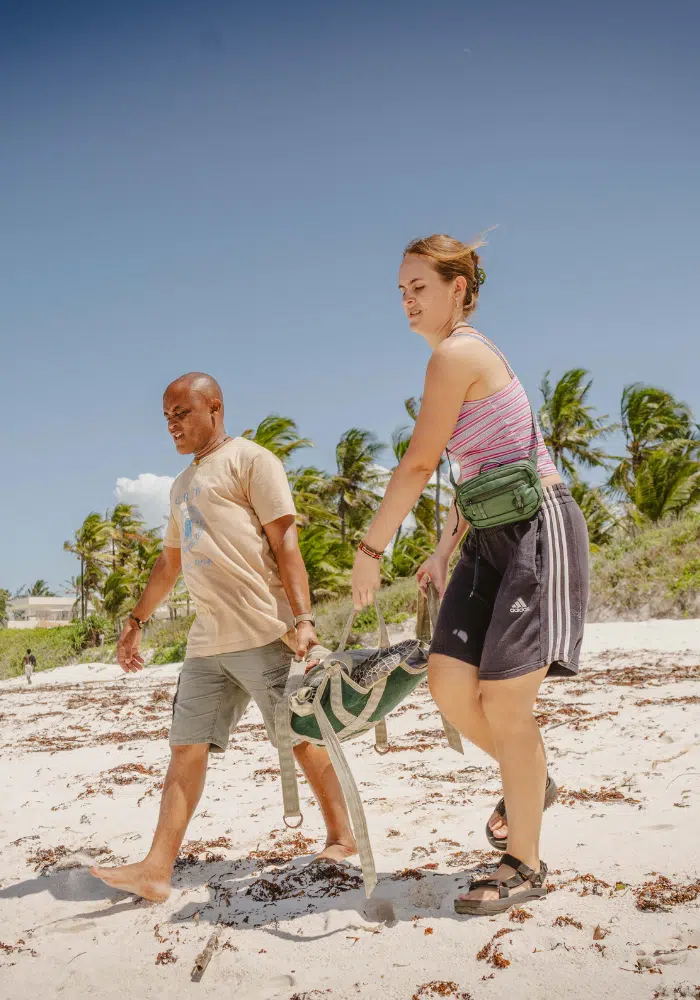
Protect Sea Turtles through Conservation
Along Kenya’s beautiful coastline, endangered sea turtles return year after year to nest on the same beaches where they were born. This marine conservation project places you at the heart of these nesting grounds, where you’ll work alongside local conservation teams protecting turtles and the fragile coastal ecosystems they depend on. As a volunteer, you’ll take part in daily conservation work that supports turtle monitoring, nest protection, and marine research. From early morning beach patrols to helping rescue injured turtles, the work you contribute helps protect these remarkable animals and improve their chances of survival. Beyond the fieldwork, you’ll experience life in the coastal town of Watamu, a place where coral reefs, mangrove forests, and white-sand beaches shape everyday life.
Project highlights
-
Protect nesting sea turtles
Take part in beach patrols that help safeguard turtle nesting sites.
-
Support turtle rescue and rehabilitation
Assist local conservationists caring for injured or stranded turtles.
-
Contribute to real marine research
Help collect important data on turtle nesting and coastal ecosystem health.
-
Experience Kenya’s marine biodiversity
Live and work near coral reefs, mangroves, and protected marine habitats.


Available: Year Round

Duration: 2 weeks+

Price From $2,050



What You’ll Do as a Turtle & Marine Conservation Volunteer
This project combines hands-on conservation work, marine research, and community collaboration. You’ll contribute directly to protecting endangered sea turtles while learning how coastal conservation works in practice.
CONSERVATION
Turtle Nest Monitoring & Beach Patrols
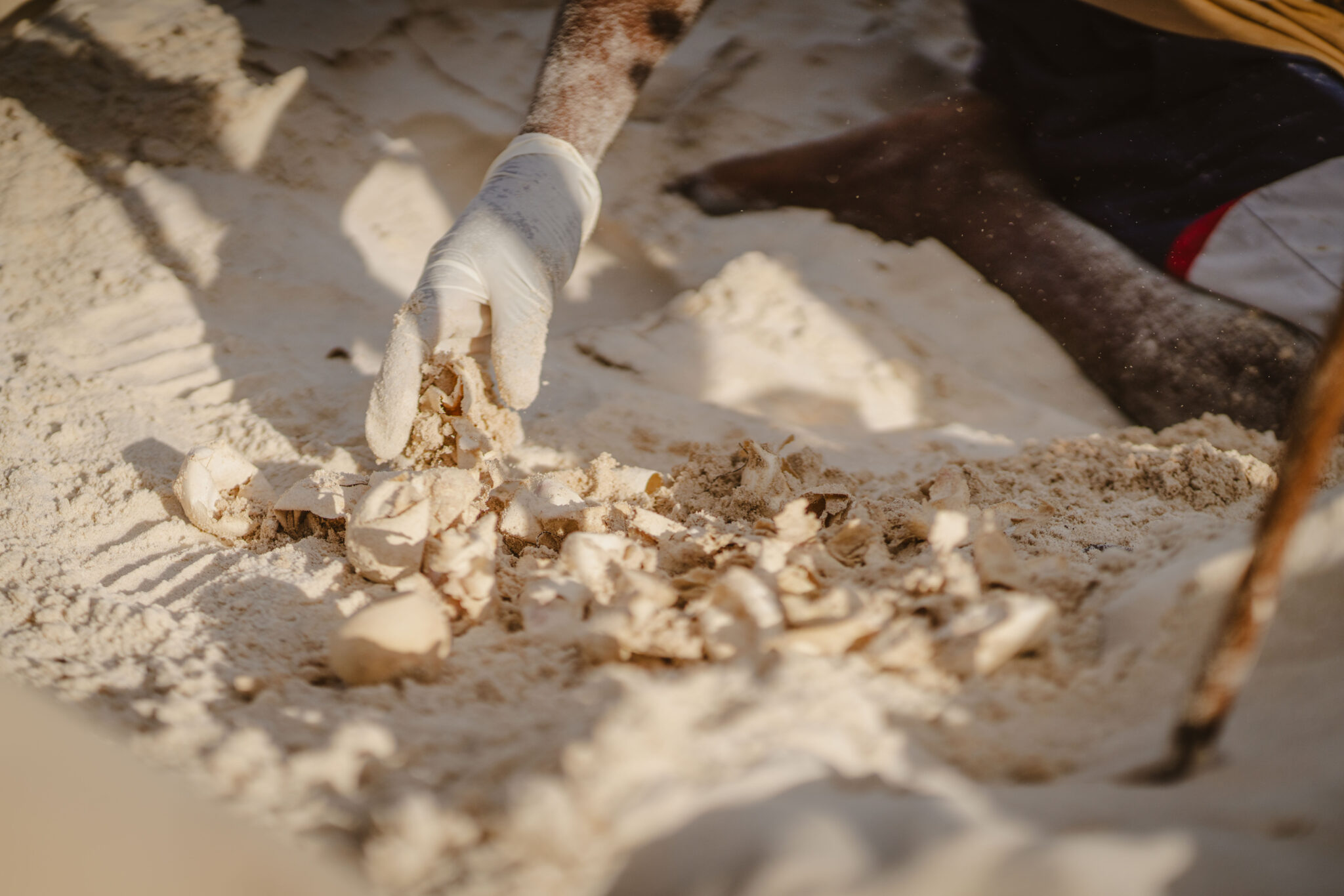
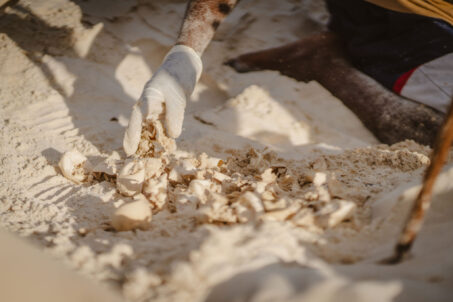
One of the most important parts of the project involves protecting sea turtle nests along the beaches of Watamu. Volunteers regularly take part in beach patrols that help monitor nesting activity and identify newly laid turtle nests. Working with the conservation team, you’ll learn how to identify nesting tracks and record important information such as nesting locations, species observations, and environmental conditions. These patrols help ensure nests are protected from threats such as human disturbance, predators, or coastal development. When hatchlings begin to emerge, you may also have the opportunity to help monitor their journey to the ocean. These moments provide powerful reminders of why conservation work matters.

U.N. SUSTAINABLE DEVELOPMENT GOALS
Life on Land | Life Below Water
Life on Land | Life Below Water
CONSERVATION
Turtle Rescue & Rehabilitation
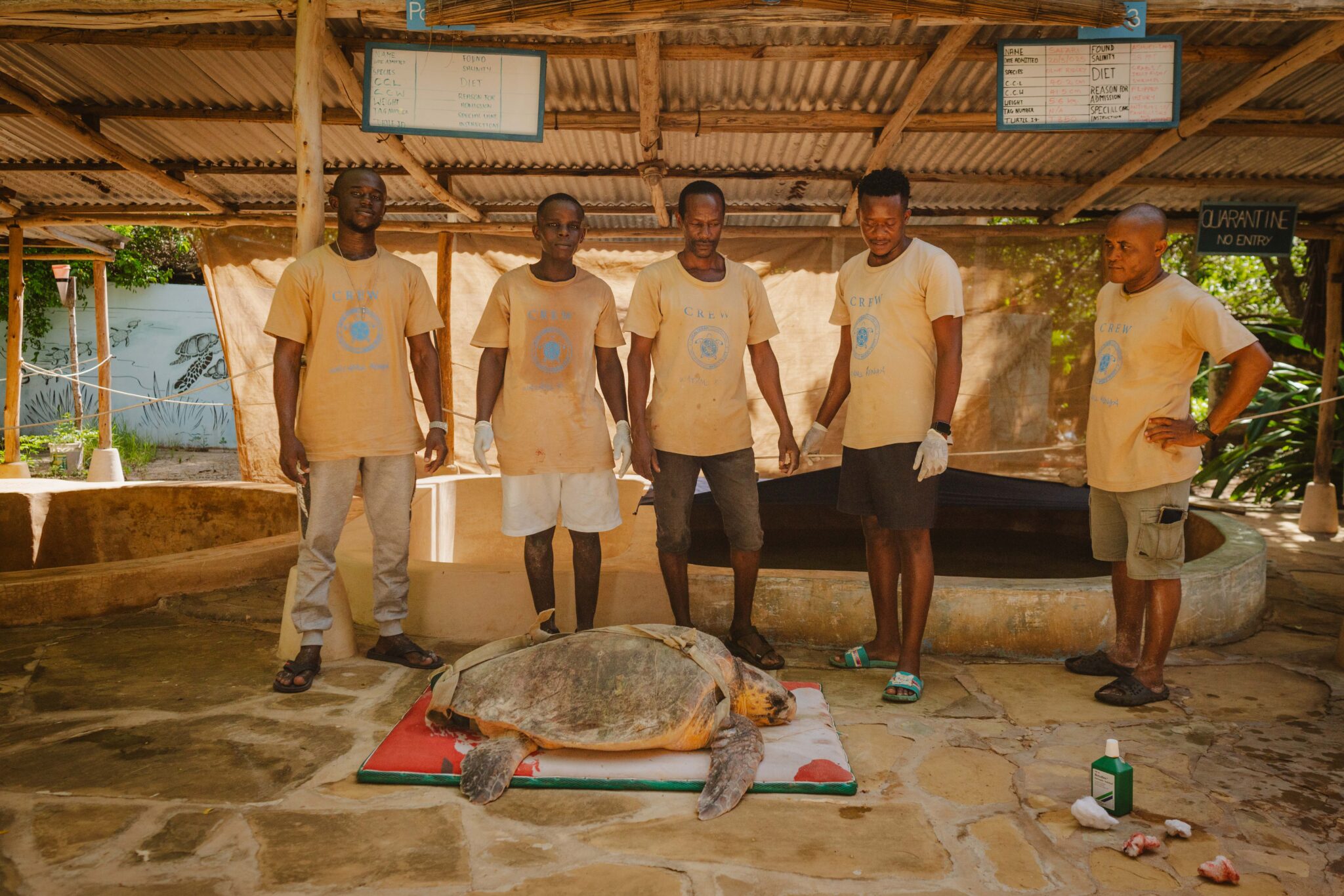
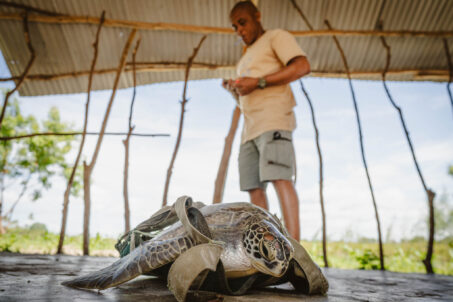
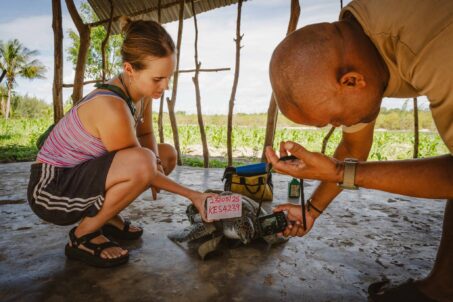
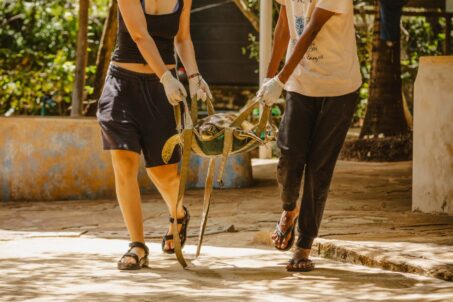
Not all turtles encountered along the coastline are healthy. Injuries from fishing gear, pollution, and other human-related threats are common challenges for marine wildlife. Volunteers support the local turtle rescue and rehabilitation efforts by assisting with the care and monitoring of injured turtles. You may help measure and document rescued turtles, observe health assessments, and assist with daily care routines at the rehabilitation centre. This work provides valuable insight into the threats sea turtles face and the efforts required to rehabilitate and release them safely back into the ocean.
U.N. SUSTAINABLE DEVELOPMENT GOALS
Life on Land | Life Below Water
Life on Land | Life Below Water
CONSERVATION
Marine Research & Coastal Monitoring
Alongside turtle conservation work, volunteers contribute to research that helps scientists better understand marine ecosystems along Kenya’s coastline. You’ll help record turtle sightings, nesting activity, and environmental observations that support long-term conservation monitoring. Data collected during patrols and research activities helps researchers track nesting success, identify patterns in turtle behaviour, and understand how coastal ecosystems change over time. Back at the conservation centre, volunteers assist with organising and logging research observations. This behind-the-scenes work transforms field notes into datasets that inform conservation strategies and policy decisions.
U.N. SUSTAINABLE DEVELOPMENT GOALS
Life on Land | Life Below Water
Life on Land | Life Below Water
CONSERVATION
Community Engagement & Marine Awareness
Not all turtles encountered along the coastline are healthy. Injuries from fishing gear, pollution, and other human-related threats are common challenges for marine wildlife. Volunteers support the local turtle rescue and rehabilitation efforts by assisting with the care and monitoring of injured turtles. You may help measure and document rescued turtles, observe health assessments, and assist with daily care routines at the rehabilitation centre. This work provides valuable insight into the threats sea turtles face and the efforts required to rehabilitate and release them safely back into the ocean.
U.N. SUSTAINABLE DEVELOPMENT GOALS
Life on Land | Life Below Water
Life on Land | Life Below Water
Project Location
Watamu, Kenya


Coastal Life in Watamu, Kenya
The project takes place in Watamu, a coastal town known for its beautiful beaches, coral reefs, and protected marine environments. The area forms part of the Watamu Marine National Park, an important conservation area supporting sea turtles, reef fish, and diverse marine habitats. Life here follows the rhythm of the ocean. Mornings often begin with beach patrols or conservation activities, while afternoons slow down under the shade of palm trees or in discussions with the conservation team.
Outside of project hours, volunteers can explore the surrounding coastline and marine parks. Popular activities include snorkelling over coral reefs, kayaking through mangrove creeks, visiting nearby villages, or simply relaxing on the beach as the sun sets over the Indian Ocean.
Accommodation
Your Volunteer Home in the Kruger Area


You’ll stay in shared volunteer accommodation close to the beach and the conservation centre. The house provides a relaxed and welcoming base where volunteers can connect, unwind, and reflect on the day’s activities. Rooms are shared with fellow volunteers and offer simple, comfortable living spaces suited to coastal life.
Communal areas encourage social interaction, shared meals, and evening discussions about marine conservation and wildlife sightings. Living close to the ocean means the beach is always nearby, and many volunteers begin or end their day with a walk along the shoreline.
Meals are typically simple, fresh, and inspired by coastal Kenyan cuisine. Local dishes often include rice, vegetables, fish, and tropical ingredients sourced from nearby markets. Weekday meals are usually prepared together at the volunteer house, while weekends offer opportunities to explore Watamu’s cafés, beach restaurants, and small local eateries.
You’ll be supported by an experienced conservation team that manages daily project activities, training, and safety. They guide volunteers through fieldwork, provide background knowledge about marine conservation, and ensure that all research and protection efforts align with local environmental priorities. The team also works closely with local fishers and community members, helping bridge conservation efforts with sustainable livelihoods along the coast.
Due to the reserve’s remote location within the Greater Kruger landscape, connectivity is limited. Phone signal can be intermittent depending on your network provider, and WiFi is not guaranteed at camp. Many volunteers see this as part of the experience – a chance to step away from constant notifications and fully immerse themselves in life in the bush. Electricity is typically solar-powered or generator-supported, which means power availability may follow certain schedules. Charging points are available, but bringing a power bank is strongly recommended. Before arrival, you’ll receive clear guidance on what to expect regarding connectivity, along with emergency contact details that can be shared with family at home.
Volunteer safety is a priority. On arrival, you’ll receive a full induction covering beach safety, wildlife interaction protocols, and emergency procedures. All conservation activities are supervised by trained staff, and volunteers are supported throughout their stay to ensure a safe and meaningful experience.
Accommodation
You’ll stay in shared volunteer accommodation close to the beach and the conservation centre. The house provides a relaxed and welcoming base where volunteers can connect, unwind, and reflect on the day’s activities. Rooms are shared with fellow volunteers and offer simple, comfortable living spaces suited to coastal life.
Communal areas encourage social interaction, shared meals, and evening discussions about marine conservation and wildlife sightings. Living close to the ocean means the beach is always nearby, and many volunteers begin or end their day with a walk along the shoreline.
The Meals
Meals are typically simple, fresh, and inspired by coastal Kenyan cuisine. Local dishes often include rice, vegetables, fish, and tropical ingredients sourced from nearby markets. Weekday meals are usually prepared together at the volunteer house, while weekends offer opportunities to explore Watamu’s cafés, beach restaurants, and small local eateries.
Support Team
You’ll be supported by an experienced conservation team that manages daily project activities, training, and safety. They guide volunteers through fieldwork, provide background knowledge about marine conservation, and ensure that all research and protection efforts align with local environmental priorities. The team also works closely with local fishers and community members, helping bridge conservation efforts with sustainable livelihoods along the coast.
Safety
Volunteer safety is a priority. On arrival, you’ll receive a full induction covering beach safety, wildlife interaction protocols, and emergency procedures. All conservation activities are supervised by trained staff, and volunteers are supported throughout their stay to ensure a safe and meaningful experience.
Connectivity
Wi-Fi is available at the volunteer accommodation, although speeds may vary. Many volunteers also purchase local SIM cards for mobile data during their stay. Power interruptions can occasionally occur in coastal regions, which is a normal part of daily life in many parts of Kenya, so flexibility is encouraged.
...the joy of making a real impact...
“We have the most amazing experience in releasing turtles back into the oceans and had a very informative educational session at the rescue centre, we all play a part and it’s helping our kids feel passionate about saving our oceans.”
Nola Rose



Pricing
Rates
| Duration | Program Fee |
|---|---|
| 2 weeks | $2,050 ($1,025 per week) |
| 4 weeks | $3,495 ($874 per week) |
| 2 weeks | £1,640 (£820 per week) |
| 4 weeks | £2,800 (£700 per week) |
| 2 weeks | €1,890 (€945 per week) |
| 4 weeks | €3,215 (€804 per week) |
| 2 weeks | $3,035 ($1,518 per week) |
| 4 weeks | $5,175 ($1,294 per week) |
Inclusions
- Shared accommodation within the Local Ocean Conservation compound
- One main meal provided on working days (Monday–Friday)
- Airport transfer from Malindi Airport on arrival (weekday working hours)
- All project-related transport, equipment, and resources
- Training, supervision, and ongoing support from experienced local conservation staff
- Full orientation and safety briefing on arrival, including turtle handling and field protocols
Exclusions
* Flights
* Visas
* Insurance
* Weekend tours
* Personal expenses
Requirements
- The minimum age to join this project is 18 years old
- The minimum stay for this project is 2 weeks
Flights & Arrivals
Please arrange your arrival at the project base in Watamu on your confirmed start date. The most common route is to fly into Nairobi and then take a domestic flight to Malindi Airport, which is the closest airport to the project. If you arrive in Malindi during weekday working hours, a project transfer can be arranged to collect you and take you to the accommodation.
If you choose to arrive via Mombasa, you will need to make your own onward travel arrangements to Watamu, either by road or internal transport. Full arrival instructions, contact details, and transfer information will be provided in your pre-departure pack to ensure a smooth journey to the project site
Award-winning Volunteer and Internship Projects Since 2004


Enquire now
Volunteering in Africa means travelling with purpose- joining meaningful community or conservation projects, where you pay to cover your stay and project costs, turning your trip into an immersive, impactful experience rather than a traditional holiday.
"*" indicates required fields
Project faqs
What Will I Be Doing On The Sea Turtle Project?
You will support a range of hands-on conservation activities that vary depending on season, tides, and turtle activity. These may include beach patrols to monitor nesting turtles, protecting nests, assisting with hatchling releases, supporting turtle rescue and rehabilitation, and collecting data for ongoing marine research. All activities are guided by trained staff from Local Ocean Conservation and follow strict ethical and safety protocols
Is This Project Suitable If I Have No Previous Conservation Experience?
Yes. No prior conservation or marine biology experience is required to join the project. On arrival, you will receive a full on-site briefing and training from project coordinators, covering turtle handling, data collection, safety procedures, and conservation best practice. Volunteers are always supervised, and tasks are assigned based on ability and experience.
Where Will I Stay During The Project?
Participants stay at accommodation within the Local Ocean Conservation compound in Watamu. Rooms are shared, gender-specific, and include basic but comfortable facilities such as en-suite bathrooms, mosquito nets, and linens. There are communal areas, a shared kitchen, and secure outdoor spaces, with staff present on site and overnight to ensure safety and support.
Our favourite weekend activities in Zanzibar
Explore Watamu’s relaxed coastal lifestyle on weekends, from snorkelling over coral reefs and beach walks to local markets and nature excursions, making the most of your free time along Kenya’s Indian Ocean coast!