Dolphin & Marine Conservation in Zanzibar
VOLUNTEER
CONSERVATION
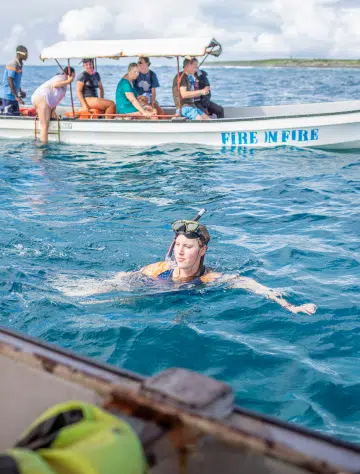
Protect the ocean. Discover its magic.
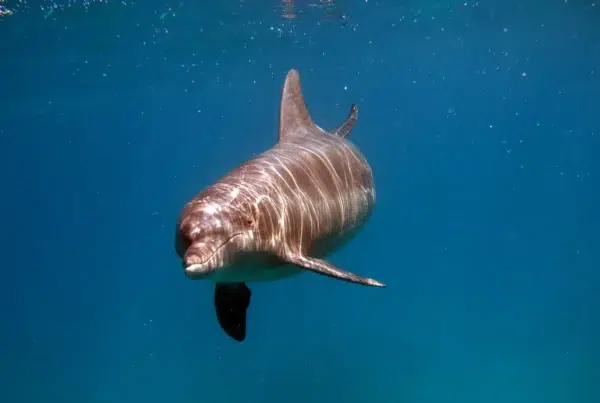
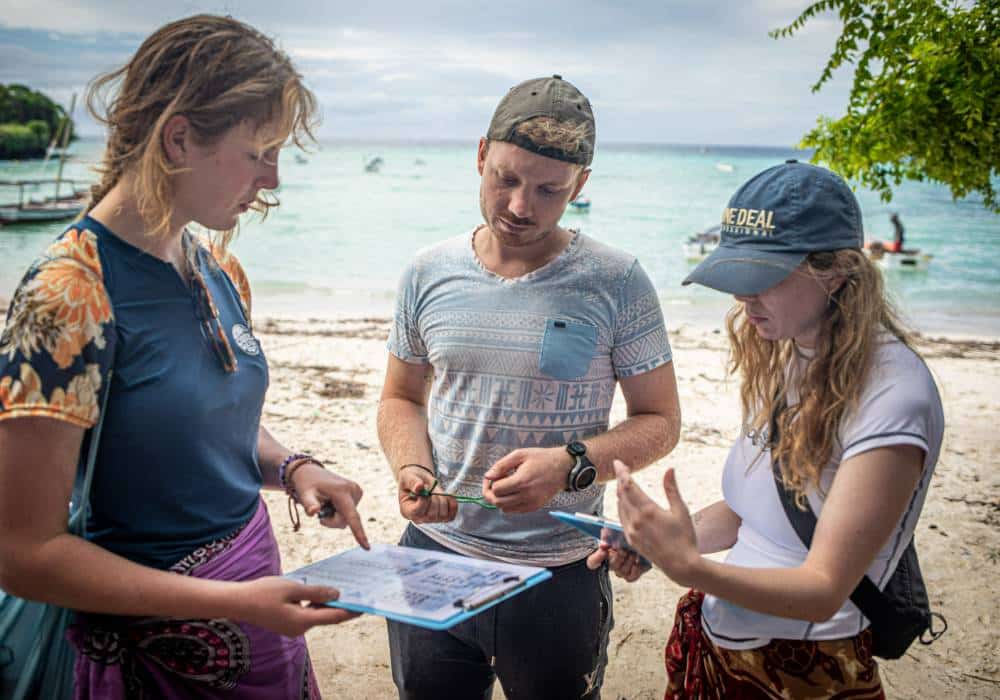
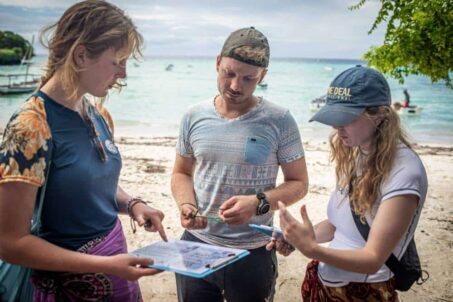
This marine conservation project places you inside one of Zanzibar’s most important coastal ecosystems: the Menai Bay Conservation Area. As a volunteer, you’ll work alongside local researchers to monitor dolphin populations, assess reef health, and support more responsible marine tourism practices.
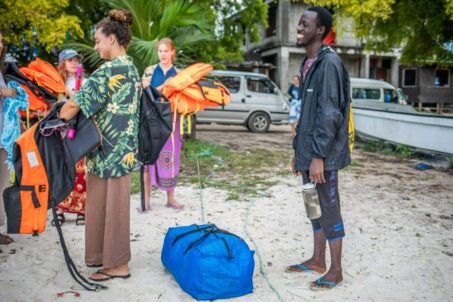
You’ll spend a lot of time out on the water, collecting data that contributes to long-term conservation efforts, while afternoons often involve analysis, community engagement, or education workshops. Outside of project hours, you’ll experience daily life in a coastal village, from sunset swims to shared meals and weekends exploring the island.
Project highlights
-
Spend your days out on the water
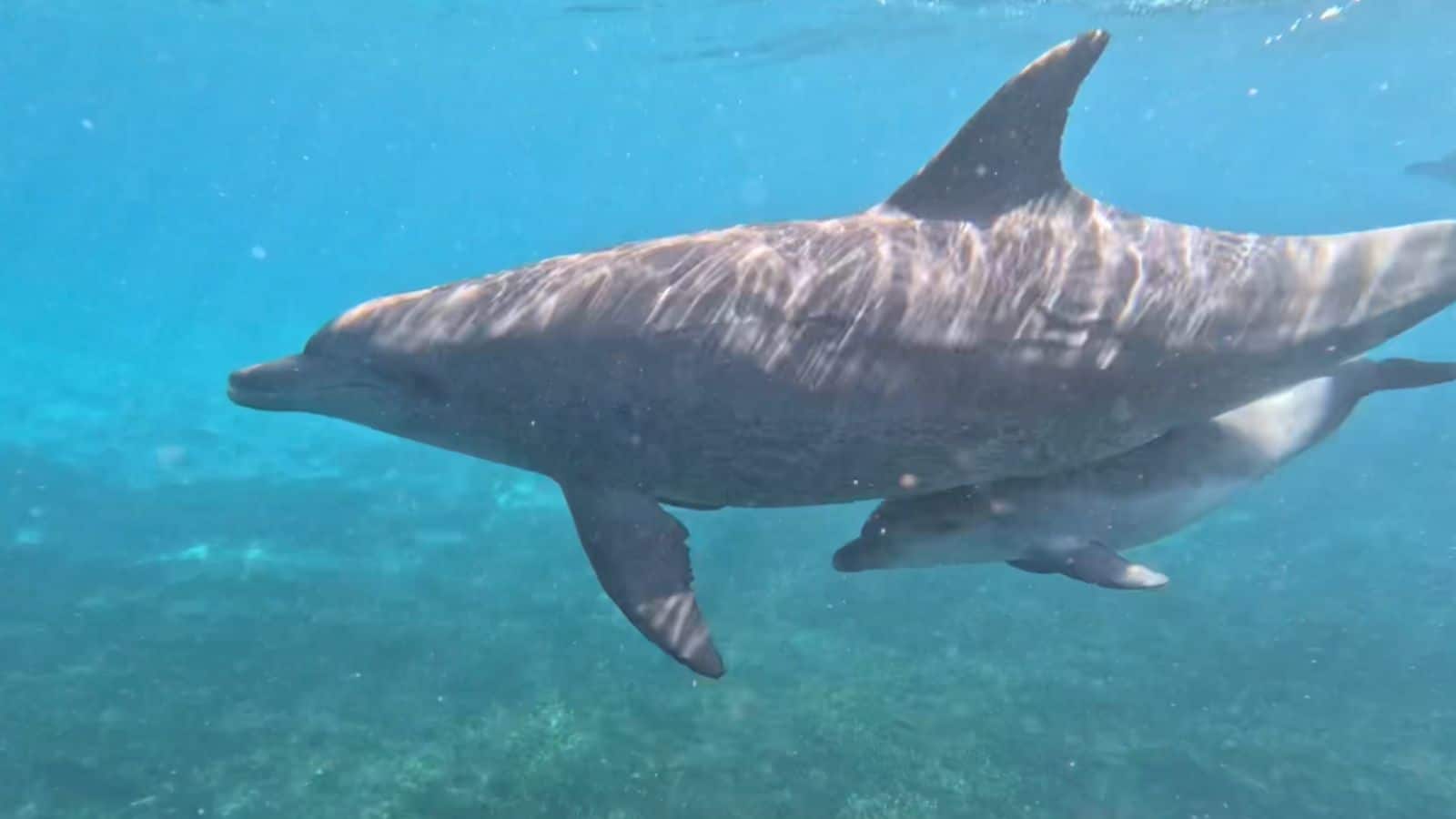
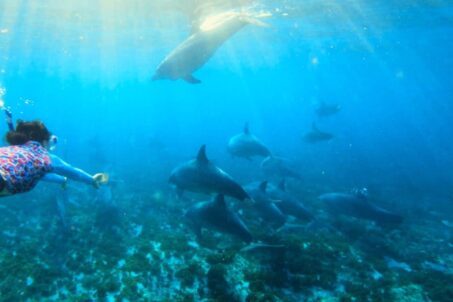
Track dolphin pods, learn their behaviour, and contribute to their conservation.
-
Snorkel amongst coral reefs
Record what you see, your data helps build a picture of reef health.
-
Learn about ethical tourism
Connect with boat operators and share responsible practices.
-
Live in a tropical paradise
Enjoy beach hangs, fresh seafood and exploring Zanzibar on weekends.


Available: May – Oct

Duration: 2 Weeks+

Price From $2,575 This cost covers your accommodation, meals, project fees, transfers, 24/7 support and in-country orientation.



What you’ll do as a volunteer
This project blends fieldwork, education, and community collaboration. You’ll be actively involved in ongoing marine research while learning how conservation connects to local livelihoods and tourism.
CONSERVATION
Dolphin Monitoring & Behavioural Research
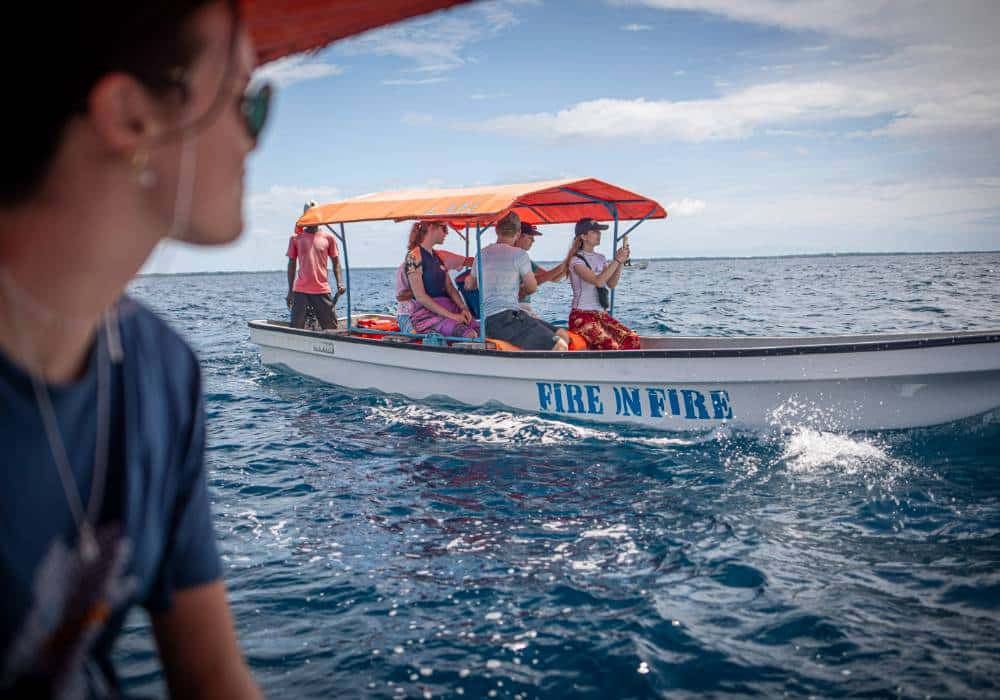
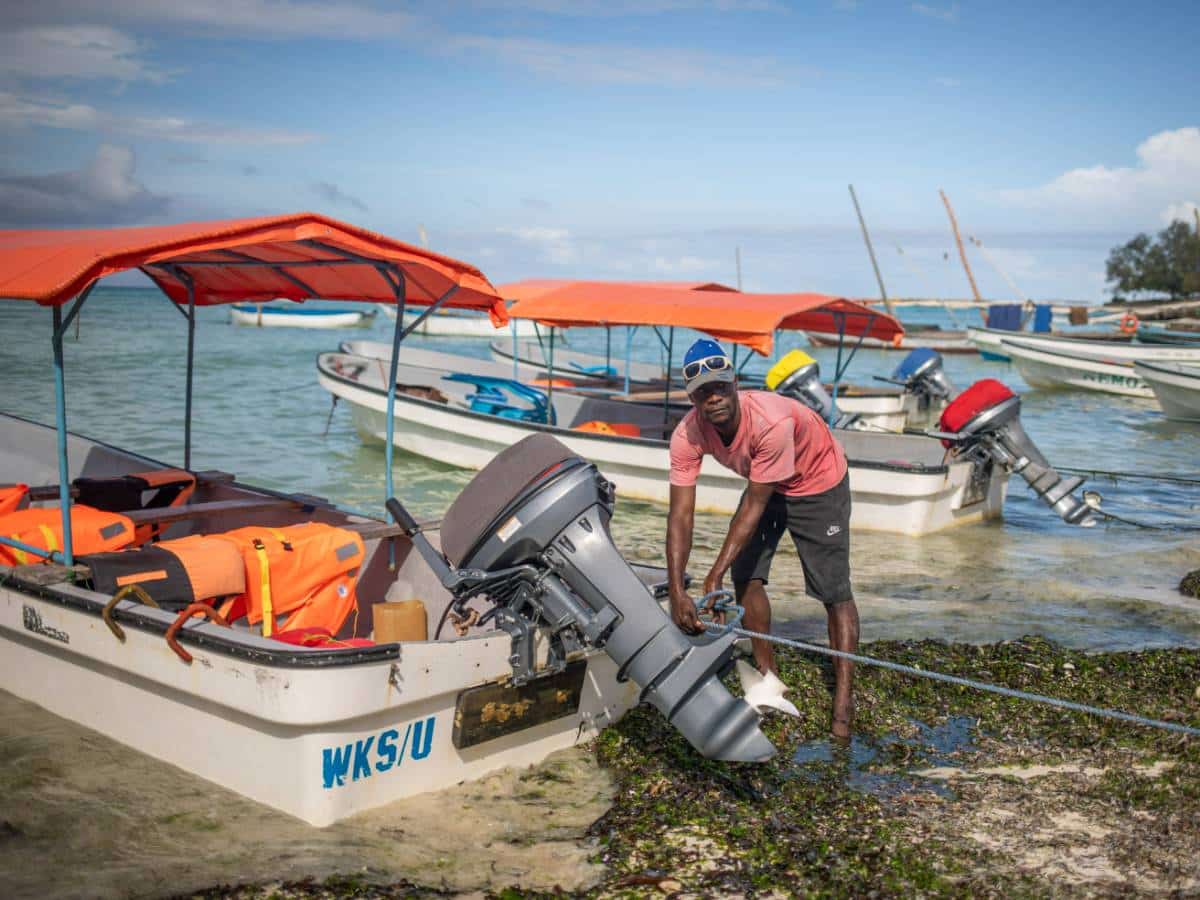
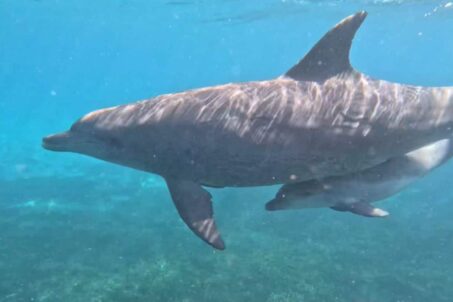
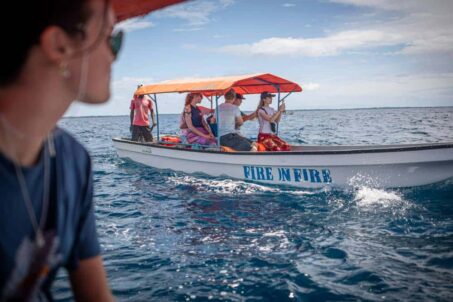
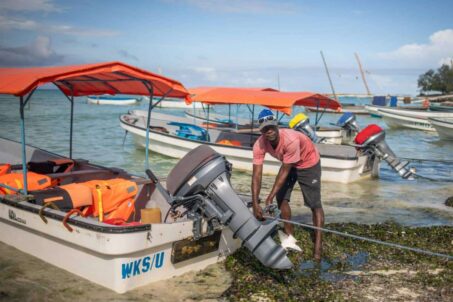
Most mornings begin on the water. You’ll head out by boat into the Menai Bay Conservation Area to help locate and observe dolphin pods. Working with professional and local marine scientists, you’ll record pod size, behaviour, movement patterns, and interactions with tourist boats. This data is used to understand how dolphin populations respond to tourism pressure and informs guidelines for more ethical dolphin-watching practices. Over time, your contributions help build a clearer picture of population health and human impact. You’ll also learn how to identify different dolphin behaviours, understand stress indicators, and follow strict protocols designed to minimise disturbance.

U.N. SUSTAINABLE DEVELOPMENT GOALS
Life Below Water | Responsible Consumption & Production
Life Below Water | Responsible Consumption & Production
CONSERVATION
Marine Habitat & Reef Surveys
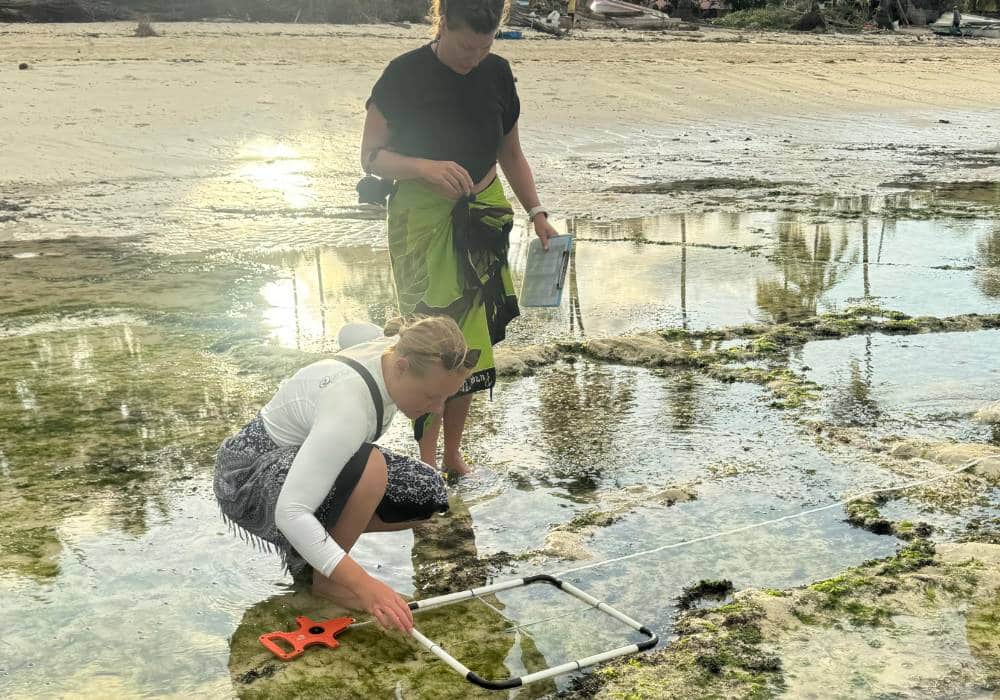
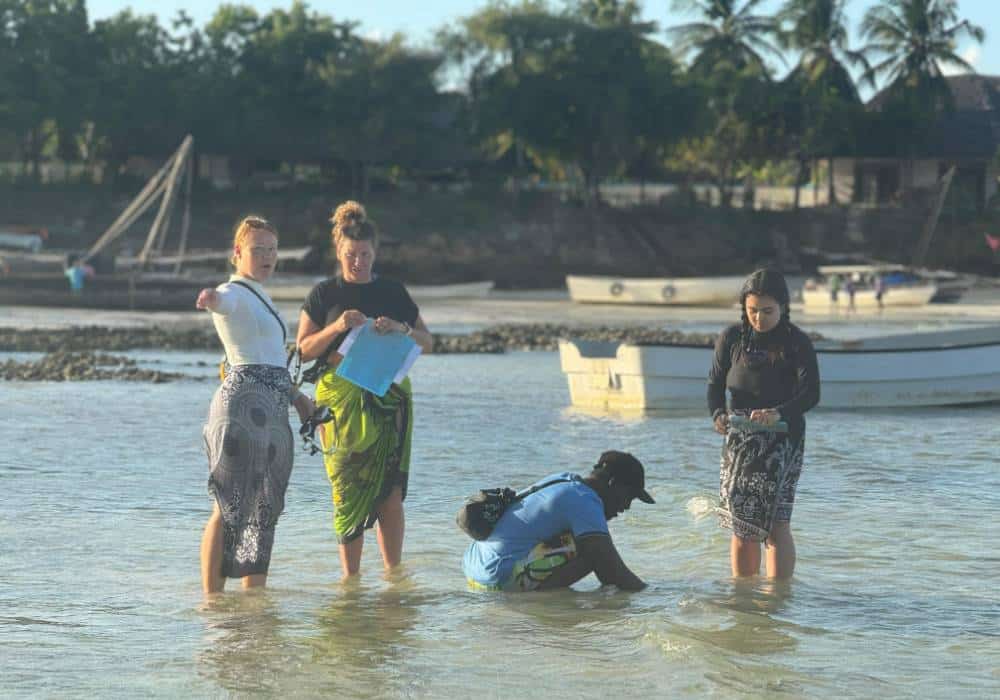
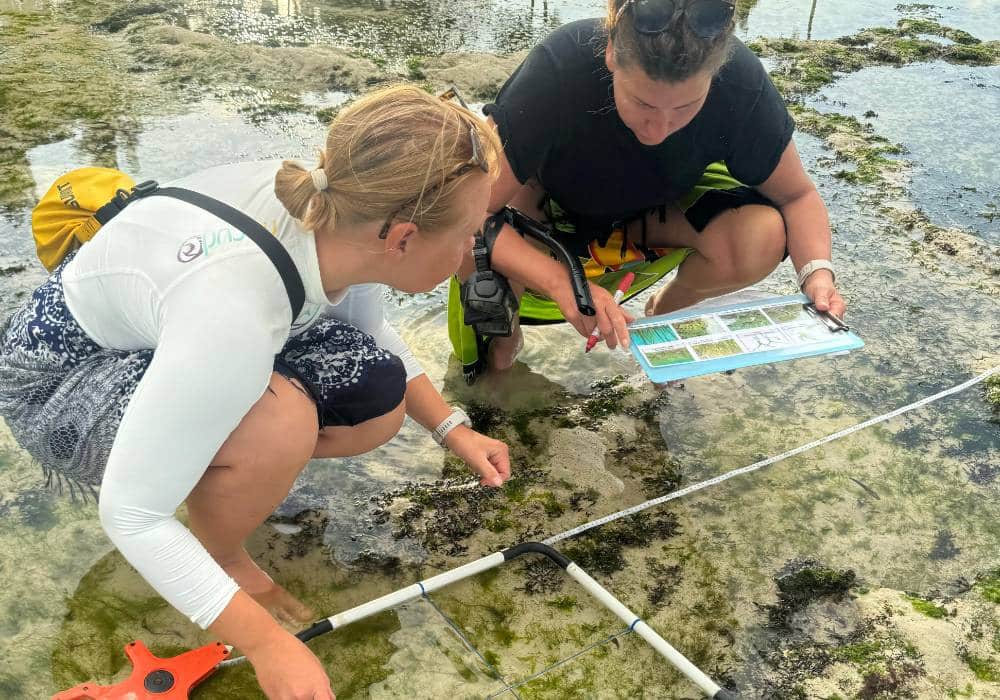
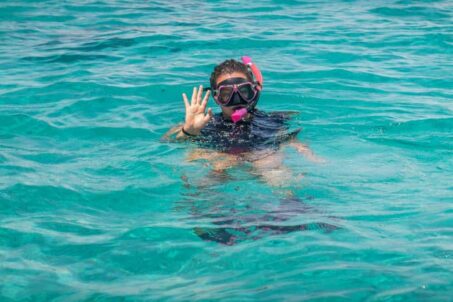
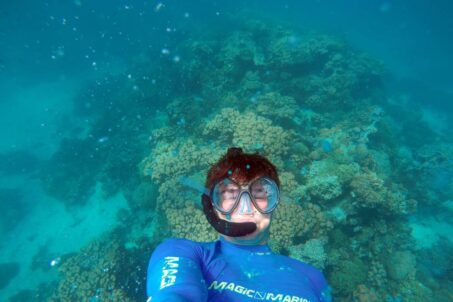
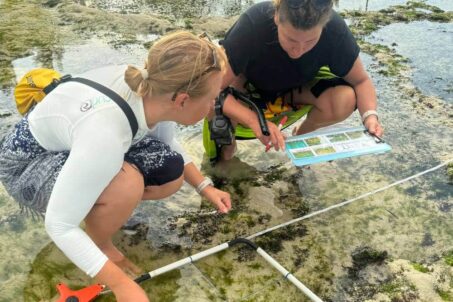
Snorkelling surveys are a key part of the project. You’ll explore coral reefs and seagrass beds, recording species presence, reef condition, and signs of damage or recovery.
These surveys contribute to broader marine monitoring efforts and help identify areas that may need protection or restoration. You’ll learn basic reef ecology, how to recognise common fish and coral species, and how to collect consistent, usable data underwater.
No prior snorkelling or research experience is required, training is provided, and surveys are adapted to conditions and group ability.
U.N. SUSTAINABLE DEVELOPMENT GOALS
Life Below Water | Responsible Consumption & Production
Life Below Water | Responsible Consumption & Production
CONSERVATION
Ethical Tourism, Data Entry & Analysis
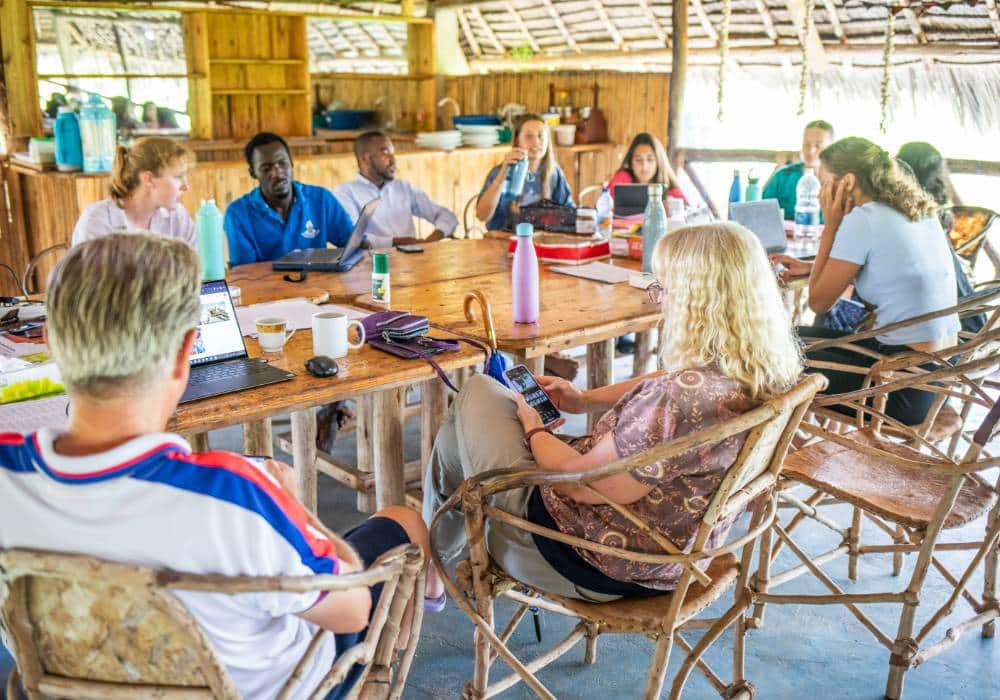
Tourism is a major part of Zanzibar’s economy, and this project works closely with local boat operators to promote responsible practices. You’ll support educational sessions and discussions around dolphin-friendly guidelines, including approach distances, boat speeds, and time spent with pods. By participating in this outreach, you’ll see how conservation and livelihoods intersect, and how small behaviour changes can reduce long-term harm to wildlife. Back on land, you’ll help log survey data, review findings, and discuss patterns with the team. This behind-the-scenes work is essential, it’s how field observations turn into usable information, building your understanding of conservation challenges, ethical research, and sustainable tourism in practice.
U.N. SUSTAINABLE DEVELOPMENT GOALS
Life Below Water | Responsible Consumption & Production
Life Below Water | Responsible Consumption & Production
CONSERVATION
Community & Environmental Education
Some afternoons are spent engaging with local community members, schools, or youth groups. Activities may include environmental awareness sessions, talks about marine ecosystems, or supporting existing education initiatives run by the project team. You’ll also join community initiatives like beach cleanups and awareness raising campaigns. These interactions help build local understanding of marine protection while giving volunteers insight into how conservation is shaped by culture, economy, and daily life.
U.N. SUSTAINABLE DEVELOPMENT GOALS
Life Below Water | Responsible Consumption & Production
Life Below Water | Responsible Consumption & Production
What You'll Take Home
Why This Project Suits You
This is a hands-on conservation experience designed for people who want to understand how marine protection works in practice and, let’s be honest, for anyone keen to experience everyday life on a tropical island. It suits curious, open-minded volunteers who are interested in marine life, comfortable spending time in the water, and excited to balance meaningful work with a relaxed coastal lifestyle. No prior experience? No problem. Enthusiasm, passion, and a willingness to learn are all you need.
Along the way, you’ll build skills and perspectives that stay with you long after you leave:
Field research skills – from data collection to underwater habitat assessment.
Communication practice – engaging with local stakeholders and tourism operators.
A deeper understanding of marine ecosystems – and how conservation happens on the ground.
Confidence and friendships – through daily teamwork and shared adventures.

Example Weekly Schedule

Monday

Breakfast
06:30 – 07:30
Morning
08:00 – 09:00 | General Induction
An introduction to Zanzibar and your accommodation, guidelines on living with the local community, and a safety briefing
09:30 – 12.00 | Marine Induction
In-depth look at the project, covering goals and daily schedules. This includes training on dolphin monitoring data sheets, in preparation for the next day.

Lunch
12:30 – 13:30
Afternoon
14:00 – 15:30 | Conservation Club Preparation
Volunteers do research and prepare materials for the conservation lesson on Thursday. Lessons cover marine ecosystems, sustainability and responsible tourism.
16:00 – 17:30 | Jambiani Village Tour
Embark on a tour of the local village, discover important shops and landmarks in your beautiful new home. Volunteers are be able to get sim cards, and meet some of the local community members.

Dinner
18:30 – 19:30

Evening
19:30 – 20:00 | Monday Night Meeting
Meet and greet with new and old volunteers, sharing our highs and lows if the past week and looking over the week’s schedule.
20:00 | Free Time
Tuesday
Morning
06:30 | Depart for Kizimikazi
A private transfer to Kizimkazi, about 30 minutes away from base.
07:00 – 09:00 | Dolphin Monitoring
Head our on the boat and record data on dolphins, boats present in the area, and dolphin behaviour.
Breakfast
09:00 – 10:00
Morning
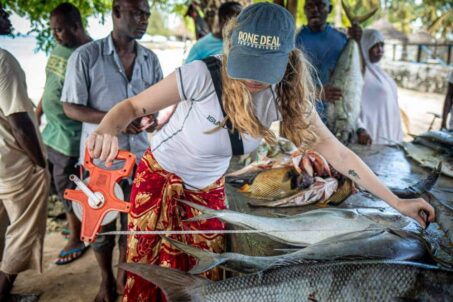
10:00 – 11:00 | Fish Market Monitoring
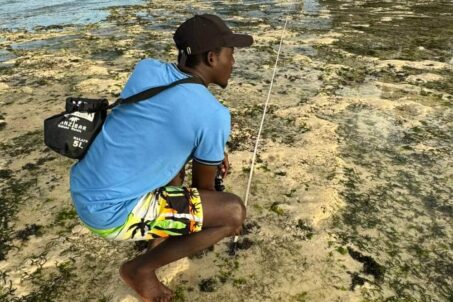
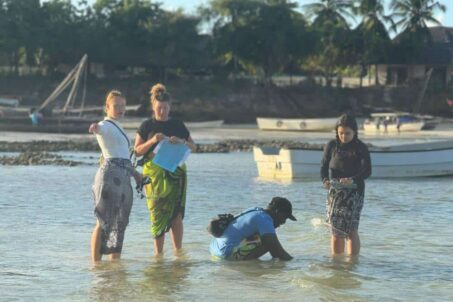
Visit the local fish market to record crucial data on species being caught, and measure their size and weight, as well as record market prices.
11:00 – 11:30 | Return to Base
A private transfer back to the base in Jambiani.
11:30 – 12:30 | Free Time
Clean diving equipment that was used, before heading off to take a shower or rest before lunch.
Lunch
12:30 – 13:30
Afternoon
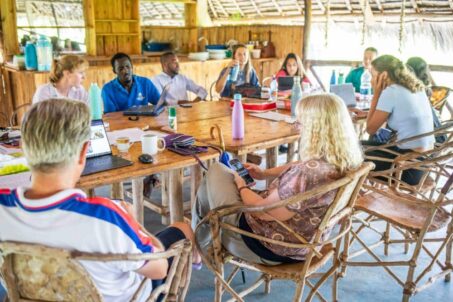
14:00 – 16:00 | Data Entry & Reporting
Enter the data collected during the morning into our online database. Assist with reports and other admin work required for the week.
16:30 – 17:30 | Maasai Presentation
The Maasai people are known for their rich cultural heritage and distinctive way of life, which they have preserved over centuries despite modern influences. You’ll have the opportunity to ask questions about their traditions and lifestyle, as well as joining in the traditional “Adamu” jumping dance.
Dinner
18:30 – 19:30
Evening
19:30 | Free Time
Relax and spend time with your fellow volunteers before heading off to bed.
Wednesday
Morning
06:30 | Depart for Kizimikazi
A private transfer to Kizimkazi, about 30 minutes away from base.
07:00 – 09:00 | Dolphin Monitoring
Head our on the boat and record data on dolphins, boats present in the area, and dolphin behaviour.
Breakfast
09:00 – 10:00
Morning
10:00 – 11:00 | Fish Market Monitoring
Visit the local fish market to record crucial data on species being caught, and measure their size and weight, as well as record market prices.
11:00 – 11:30 | Travel to Vanishing Island
Head over to this amazing location, officially known as Nakupenda Sandbank.
11:30 – 12:30 | Coral Reef Survey
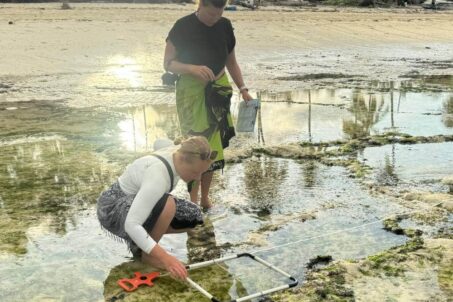
Under guidance of the marine staff, collect data regarding the bleaching you observe in the coral reef. Volunteers do a transect and record GPS data on the location, before heading back to the boat and to take down the consensus observations.
Lunch
12:30 – 13:30 | Lunch on Vanishing Island
Afternoon
13:30 – 14:30 | Return to Base
13:30 Travel by boat back to Kizimkazi
14:30 A private transfer back to the base in Jambiani
15:00 – 17:30 | Free Time
Clean diving equipment that was used, before heading off to freshen up or rest before dinner.
Dinner
17:30 – 19:00 | Local Dining Experience
Enjoy a unique opportunity to visit a local home at get a behind the scenes look at traditional life in Jambiani. Become familiar with local traditions, like removing your shoes before entering the home and enjoying a delicious Swahili meal, eaten with your right hand as is customary.
Evening
19:30 | Free Time
Enjoy down-time, relaxing with your fellow volunteers and new friends before heading to bed.
Thursday
Morning
06:30 | Depart for Kizimikazi
A private transfer to Kizimkazi, about 30 minutes away from base.
07:00 – 09:00 | Dolphin Monitoring
Head our on the boat and record data on dolphins, boats present in the area, and dolphin behaviour.
Breakfast
09:00 – 10:00
Morning
10:00 – 11:00 | Fish Market Monitoring
Visit the local fish market to record crucial data on species being caught, and measure their size and weight, as well as record market prices.
11:00 – 12:00 | Data Entry & Reporting
Enter the data collected during the morning into our online database. Assist with reports and other admin work required for the week.
Lunch
12:00 – 13:00 | Lunch on the Beach
Afternoon
13:00 – 14:30 | Conservation Club
Head over to Kizimkazi Dimbani Secondary School to deliver the fun lesson you prepared on Monday.
14:30 – 15:00 | Return to Base
A private transfer back to the base in Jambiani
15:00 – 18:00 | Free Time
Clean diving equipment that was used, before heading off to freshen up or rest before dinner.
Dinner
18:30 – 19:30
Evening
19:30 | Free Time
Enjoy some down-time before heading to bed.
Friday
Breakfast
06:30 – 07:30
Morning
08:00 – 11:30 | Weekly Reset
Finish up any data input remaining from the week, and work on reporting documents. Conduct a deep clean of all the diving kit, upload photos to the database and spend time creating social media material
Lunch
12:30 – 13:30
Afternoon
13:30 – 15:00 | Community Project
Join the Teaching team for a combined community project. This project varies every week, but is usually painting a local school or organising a beach/town clean up.
15:00 – 18:30 | Free Time
Take some time to explore the area, visit the beach, head into town or relax by the pool.
Dinner
18:30 – 19:30
Evening
19:30 | Free Time
Enjoy your Friday evening with your fellow volunteers.
Project Location
Jambiani, Zanzibar


Island Life on the Indian Ocean
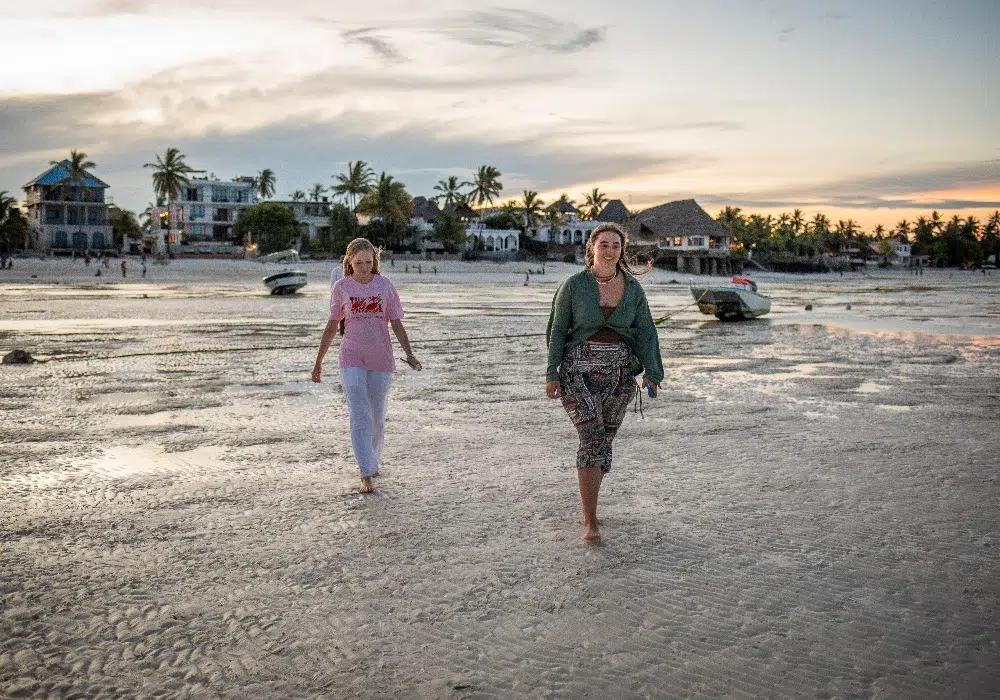
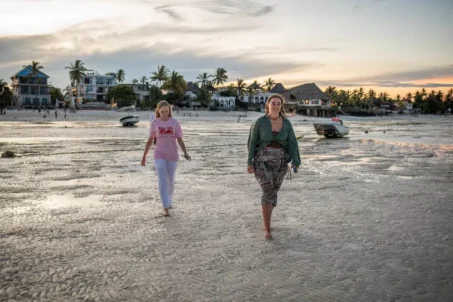
The project is based in Jambiani, a coastal village on Zanzibar’s southeast shore. Life here follows the rhythm of the ocean: – early mornings, slower afternoons, and evenings spent along the beach as the day cools down. It’s a place where local life continues alongside volunteering, giving you a grounded sense of daily routines. In your free time, Zanzibar offers plenty to explore without feeling rushed.
Popular weekend activities include:
- Exploring Stone Town’s markets, history, and food
- Snorkelling or diving on nearby reefs
- Visiting spice farms or villages inland
- Trying kitesurfing or paddleboarding
- Relaxing on pristine beaches or sandbanks
Accommodation
Your Volunteer Home in Jambiani

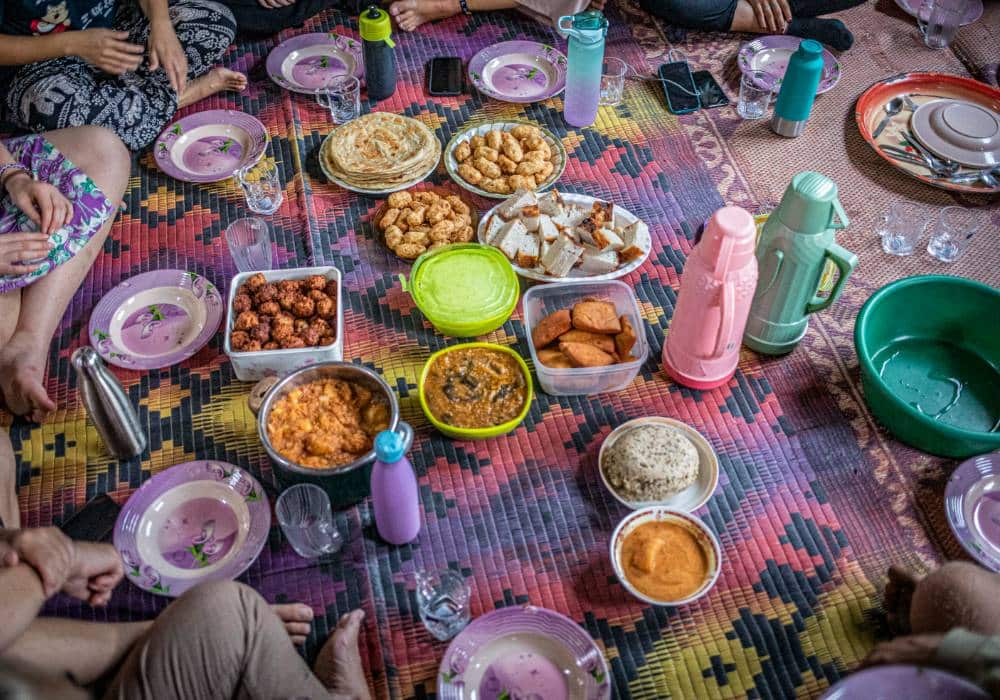

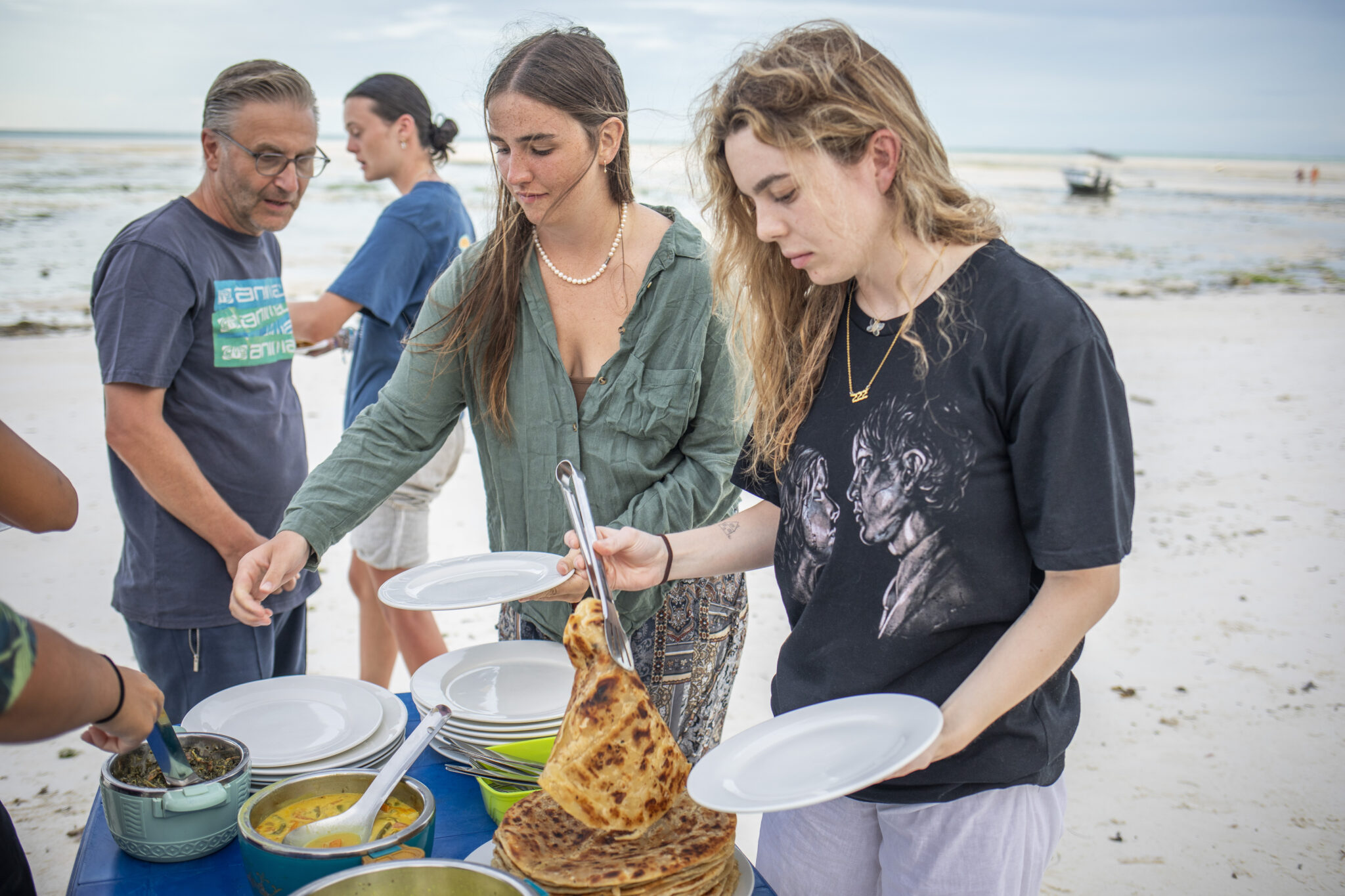
You’ll stay in shared accommodation in the coastal village of Jambiani, just steps from the beach. African Impact is well established within the community, so you’ll feel right at home from the moment you arrive. The beach, local shops, schools, and football pitches are all nearby, making it easy to balance volunteering with downtime and the relaxed “pole pole” island lifestyle
Our accommodation offers everything you’ll need for a comfortable volunteering experience. You’ll stay in air-conditioned, en-suite shared rooms with a maximum of three other volunteers. Linens, mosquito nets, and fans are all provided. There are several communal spaces that give you room to relax, study, or spend time with your fellow volunteers. This setup encourages a strong team dynamic while still allowing space to unwind.
On weekdays, three meals a day will be freshly prepared for you by our local chefs. Expect fresh, filling dishes influenced by Swahili and East African cuisine, with an emphasis on rice, vegetables, fish, and seasonal ingredients. Dietary requirements can usually be accommodated with advance notice. Weekends are often a chance to eat out locally, or explore nearby cafés and beach restaurants.
Wi-Fi is available at the accommodation, though please note that internet speeds can vary. Local SIM cards with data are inexpensive and widely used by volunteers. Power outages can occur occasionally (this is part of island life) so flexibility and preparation are encouraged. (A tip; ensure your cellphone is enabled to allow for a foreign SIM card if you intend to use one.)
You’ll be supported by an experienced team who manage day-to-day operations, training, and safety. They provide orientation on arrival, guide project activities, and are available throughout your stay for support and advice. The team also helps bridge cultural understanding and ensures the project aligns with local conservation priorities. For your marine work, you’ll be guided and supported by a team of local marine scientists with formal qualifications and hands-on experience in the unique ecosystems along this beautiful stretch of the Indian Ocean. They share their knowledge openly, offering full guidance and teaching you everything you need to know to confidently take part in the project.
Volunteer safety is a priority. You’ll receive a full induction covering marine safety, health precautions, and emergency procedures. When engaging with local communities, we strictly follow child protection policies and emphasize respect for local customs. Our accommodation has 24/7 security, and all staff are trained in first aid, and emergency support is available if needed. Transportation safety extends to our bicycle program, with predetermined safe routes and provided safety gear. In other words, you’ll be in good hands!
Accommodation
You’ll stay in shared accommodation in the coastal village of Jambiani, just steps from the beach. African Impact is well established within the community, so you’ll feel right at home from the moment you arrive. The beach, local shops, schools, and football pitches are all nearby, making it easy to balance volunteering with downtime and the relaxed “pole pole” island lifestyle.
Our accommodation offers everything you’ll need for a comfortable volunteering experience. You’ll stay in air-conditioned, en-suite shared rooms with a maximum of three other volunteers. Linens, mosquito nets, and fans are all provided. There are several communal spaces that give you room to relax, study, or spend time with your fellow volunteers. This setup encourages a strong team dynamic while still allowing space to unwind.
The Meals
On weekdays, three meals a day will be freshly prepared for you by our local chefs. Expect fresh, filling dishes influenced by Swahili and East African cuisine, with an emphasis on rice, vegetables, fish, and seasonal ingredients. Dietary requirements can usually be accommodated with advance notice. Weekends are often a chance to eat out locally, or explore nearby cafés and beach restaurants.
Support Team
You’ll be supported by an experienced team who manage day-to-day operations, training, and safety. They provide orientation on arrival, guide project activities, and are available throughout your stay for support and advice. The team also helps bridge cultural understanding and ensures the project aligns with local conservation priorities. For your marine work, you’ll be guided and supported by a team of local marine scientists with formal qualifications and hands-on experience in the unique ecosystems along this beautiful stretch of the Indian Ocean. They share their knowledge openly, offering full guidance and teaching you everything you need to know to confidently take part in the project.
Safety
Volunteer safety is a priority. You’ll receive a full induction covering marine safety, health precautions, and emergency procedures. When engaging with local communities, we strictly follow child protection policies and emphasize respect for local customs. Our accommodation has 24/7 security, and all staff are trained in first aid, and emergency support is available if needed. Transportation safety extends to our bicycle program, with predetermined safe routes and provided safety gear. In other words, you’ll be in good hands!
Connectivity
Wi-Fi is available at the accommodation, though please note that internet speeds can vary. Local SIM cards with data are inexpensive and widely used by volunteers. Power outages can occur occasionally (this is part of island life) so flexibility and preparation are encouraged. (A tip; ensure your cellphone is enabled to allow for a foreign SIM card if you intend to use one.)

Pricing
Rates
| Duration | Program Fee |
|---|---|
| 2 weeks | $2,575 ($1,288 per week) |
| 3 weeks | $3,520 ($1,174 per week) |
| 4 weeks | $4,465 ($1,117 per week) |
| 5 weeks | $5,410 ($1,082 per week) |
| 6 weeks | $6,355 ($1,060 per week) |
| 8 weeks | $8,245 ($1,031 per week) |
| 10 weeks | $10,135 ($1,014 per week) |
| 12 weeks | $12,025 ($1,003 per week) |
| 2 weeks | £1,960 (£980 per week) |
| 3 weeks | £2,675 (£892 per week) |
| 4 weeks | £3,395 (£849 per week) |
| 5 weeks | £4,115 (£823 per week) |
| 6 weeks | £4,830 (£805 per week) |
| 8 weeks | £6,270 (£784 per week) |
| 10 weeks | £7,705 (£771 per week) |
| 12 weeks | £9,140 (£762 per week) |
| 2 weeks | €2,295 (€1,148 per week) |
| 3 weeks | €3,135 (€1,045 per week) |
| 4 weeks | €3,975 (€994 per week) |
| 5 weeks | €4,815 (€963 per week) |
| 6 weeks | €5,660 (€944 per week) |
| 8 weeks | €7,340 (€918 per week) |
| 10 weeks | €9,020 (€902 per week) |
| 12 weeks | €10,705 (€893 per week) |
| 2 weeks | $3,735 ($1,868 per week) |
| 3 weeks | $5,105 ($1,702 per week) |
| 4 weeks | $6,475 ($1,619 per week) |
| 5 weeks | $7,845 ($1,569 per week) |
| 6 weeks | $9,215 ($1,536 per week) |
| 8 weeks | $11,955 ($1,495 per week) |
| 10 weeks | $14,695 ($1,470 per week) |
| 12 weeks | $17,440 ($1,454 per week) |
Inclusions
- Backpacker style accommodation with swimming pool
- Breakfast, lunch and dinner (Mon - Fri)
- Airport transfers on arrival and departure
- All project transport, equipment and resources
- Support from experienced local and international African Impact staff
- Full orientation for responsible project contribution
Exclusions
- Flights
- Visas
- Mandatory travel insurance
- Weekend tours
- Personal expenses
Requirements
- The minimum age to join this project is 18 years old
- The minimum stay for this project is 2 weeks
- Participants must be able to swim, participation will be subject to a swim test on arrival
Flights & Arrivals
Fly in to at Abeid Amani Karume (Zanzibar) International Airport (ZNZ) on your start date – always a Monday. We offer two convenient transfers – a morning transfer at 11am and an evening transfer at 5pm. Look for the African Impact sign, and our friendly team will be there to greet you with a warm welcome! Your pre-departure pack will contain important contacts numbers of our team in Zanzibar should you need to get hold of them directly.
Award-winning Volunteer and Internship Projects Since 2004


Enquire now
Volunteering in Africa means travelling with purpose- joining meaningful community or conservation projects, where you pay to cover your stay and project costs, turning your trip into an immersive, impactful experience rather than a traditional holiday.
"*" indicates required fields
Project faqs
Do I need prior marine biology or conservation experience?
While volunteering does involve contributing your time and skills, it’s also an incredible opportunity to explore Zanzibar and immerse yourself in the local culture. You’ll get to travel, meet new people, learn new things, and have amazing experiences all while making a positive impact. Think of it as an adventure with a purpose!
Is it safe to volunteer in Zanzibar?
If you’re wondering if safety is something you should prepare for, or if things like language barriers and cultural differences are a concern, don’t worry! We’ll provide pre-departure training, on-site support, and guidance on navigating safety concerns as well as language and cultural differences. Don’t let these concerns hold you back – volunteering with African Impact in Zanzibar comes with comprehensive support to ensure a safe and rewarding experience!
Will I get to see dolphins in their natural habitat?
Absolutely! Daily boat trips are a central part of the Zanzibar dolphin volunteer experience, offering you the incredible opportunity to observe dolphins in their natural environment. You’ll learn about their behaviour, contribute to vital research, and witness the beauty of these majestic creatures firsthand.
Do I need to be a certified diver or swimmer?
No, volunteers don’t need to have any previous education or teaching experience to join. Before you begin your teaching program, you’ll go through an intensive training program with the local African Impact staff. This training program is an excellent opportunity for volunteers worldwide to connect before starting their project and learn all the information they’ll need to know to teach English in Africa.
Our favourite weekend activities in Zanzibar
Explore the vibrant markets and restaurants around the island on weekends. From forest walks to traditional safaris, kite surfing to spice markets, make the most of your free weekend time whilst in Zanzibar!