



Waste Reduction & Eco-building in Zambia
VOLUNTEER
ENVIRONMENTAL

Turn plastic waste into practical solutions
Roll up your sleeves and take part in practical environmental volunteer work in Livingstone. You’ll learn how everyday waste can be transformed into building materials through ecobricking, helping reduce plastic pollution and support community sustainability. Working alongside local partners, you’ll get hands-on with waste collection, ecobrick creation, and awareness activities that promote cleaner, healthier neighbourhoods.
Livingstone’s vibrant community and proximity to natural treasures like Victoria Falls make it a unique place to experience environmental action in a real-world context. You’ll live alongside fellow volunteers with plenty of time to make the most of this incredible setting.
Project highlights
-
Turn plastic into ecobricks
Help turn waste into reusable building blocks.
-
Learn practical conservation skills
Gain experience in waste management and environmental education.
-
Make Livingstone your home
Become part of a volunteer family and a welcoming Zambian community.
-
Have an adventure in your downtime
Go on game drives, take a sunset cruise on the Zambezi, and go white water rafting.


Available: Year Round

Duration: 2 Weeks+

Price From $1,950 This cost covers your accommodation, meals, project fees, transfers, 24/7 support and in-country orientation.



What You’ll Do
COMMUNITY
Learn & Practice Ecobricking
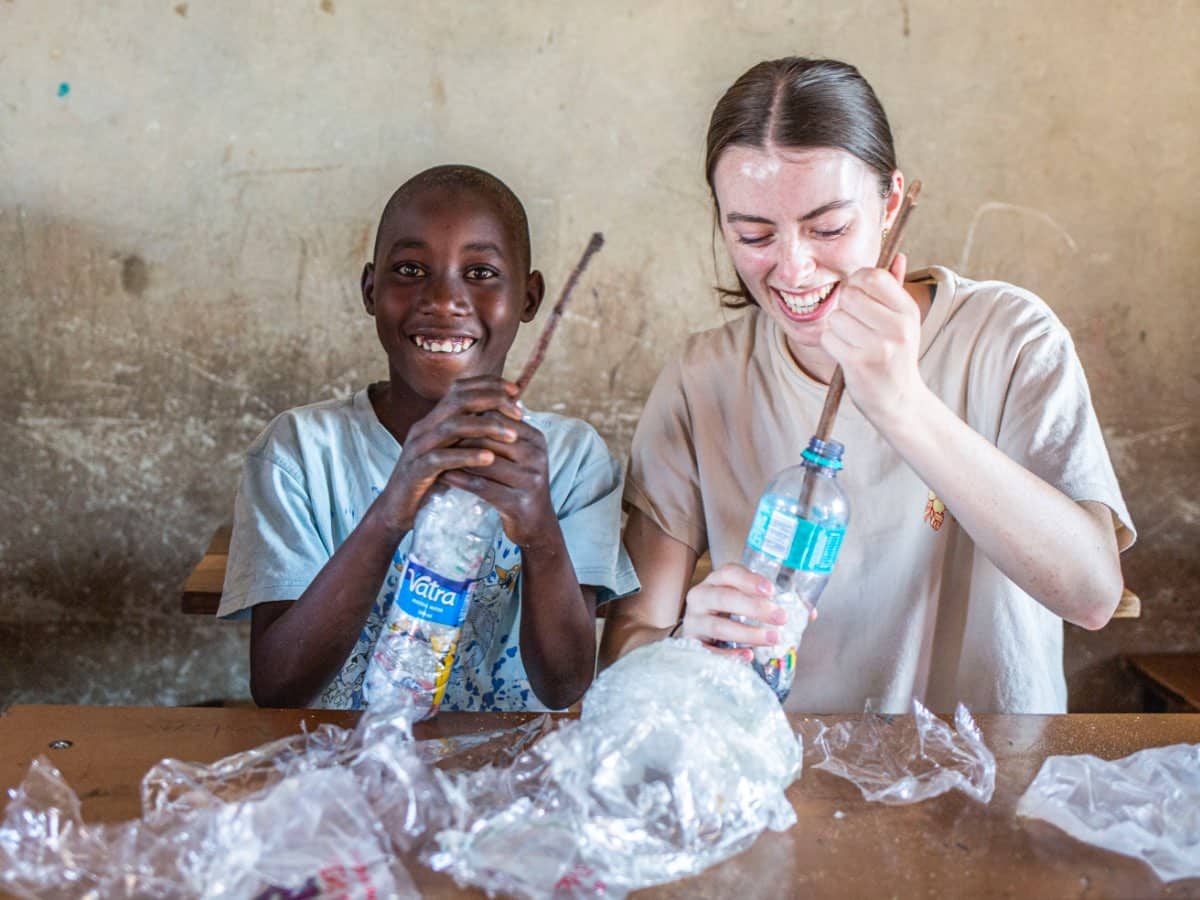
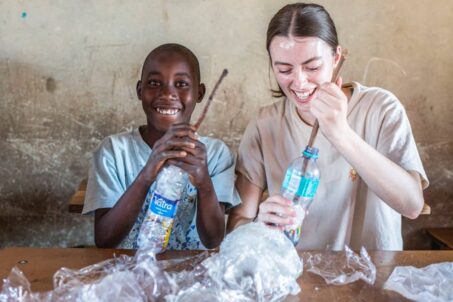
Each morning you’ll join the team to collect and sort waste materials from community spaces, schools, and the volunteer house surroundings. You’ll learn how to clean, prepare, and tightly pack non‑recyclable plastic into reusable bottles or containers, creating ecobricks that can be used for building simple structures, furniture, or community installations. It’s an eco‑friendly way to give new life to material that might otherwise end up harming local environments, and the process is hugely satisfying. You’ll be involved each step of the way, deepening your understanding of why waste management matters and how small actions help create larger change.

U.N. SUSTAINABLE DEVELOPMENT GOALS
Sustainable Cities & Communities | Climate Action
Sustainable Cities & Communities | Climate Action
COMMUNITY
Support Community Awareness & Outreach
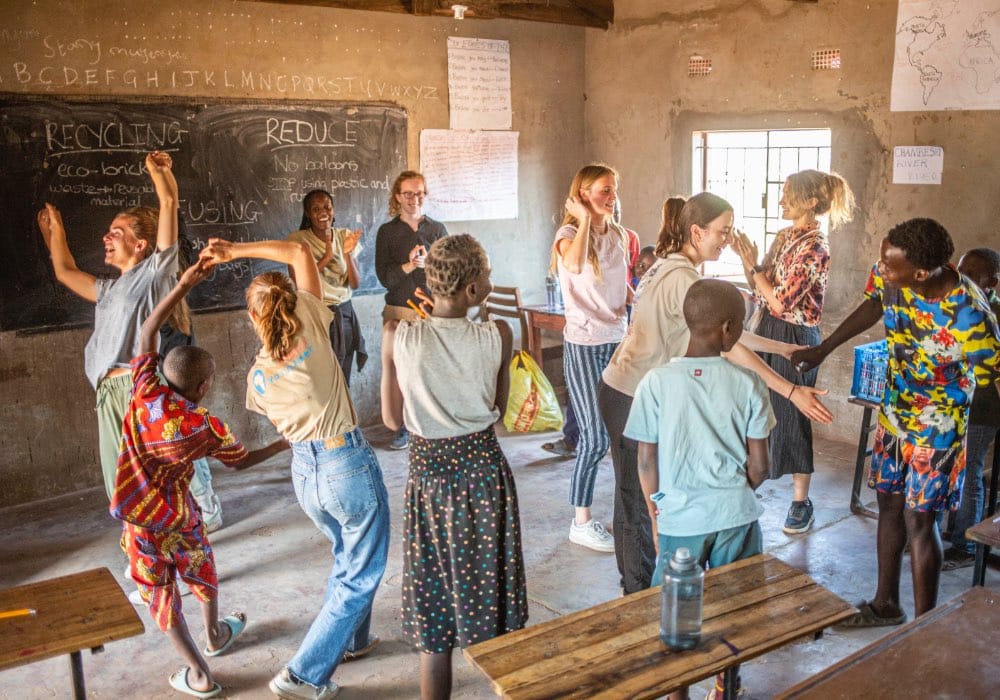
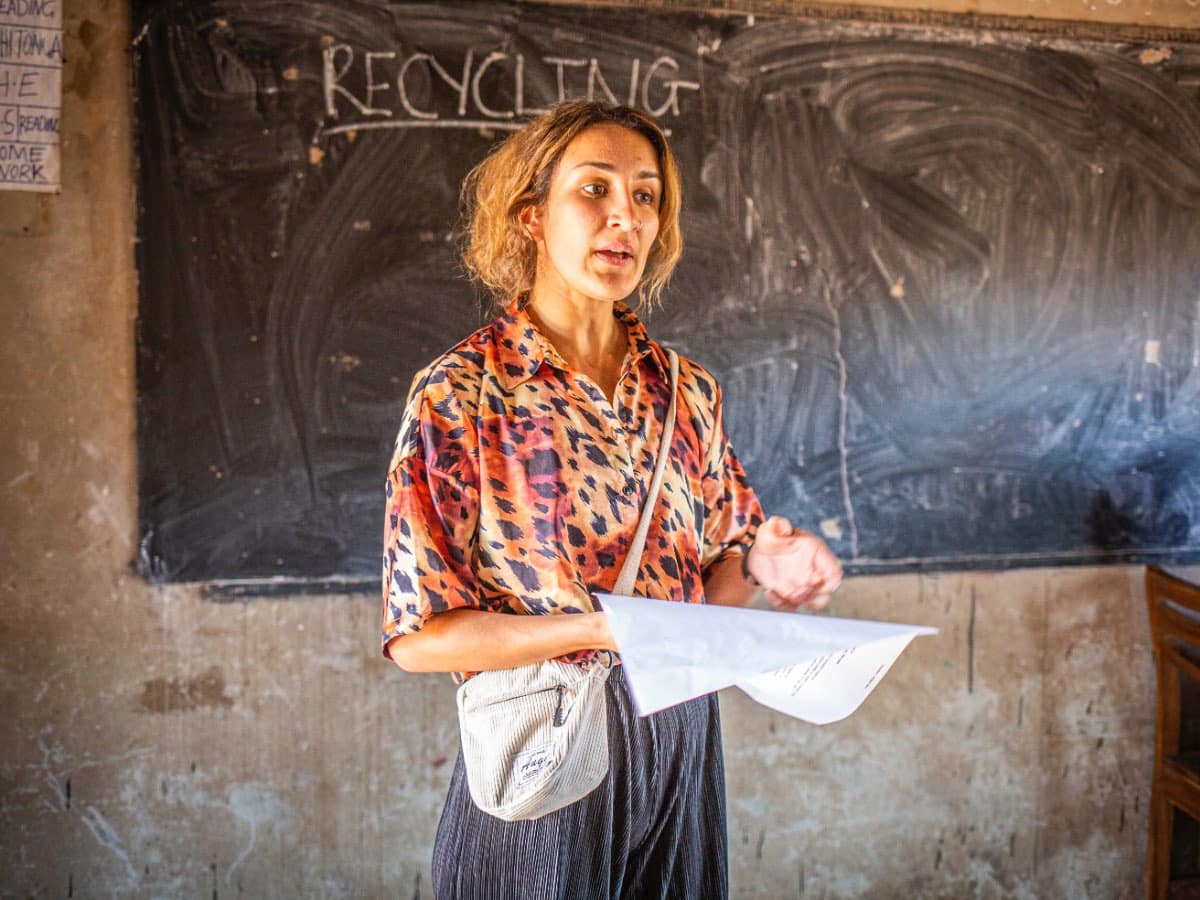
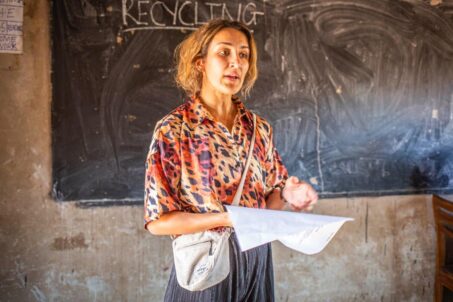
Beyond filling ecobricks, you’ll help raise environmental awareness in local schools and neighbourhoods. This might include supporting workshops, helping design educational activities about proper waste disposal, and working with youth groups to make sustainability fun and engaging. Through these interactions, you’ll develop confidence communicating environmental messages and learn how grassroots campaigns can empower communities to take better care of their surroundings.
U.N. SUSTAINABLE DEVELOPMENT GOALS
Sustainable Cities & Communities | Climate Action
Sustainable Cities & Communities | Climate Action
COMMUNITY
Contribute to Community Projects
Afternoon activities often mix with other community development projects, giving you a broader view of volunteer life in Livingstone. You may assist school clubs, help implement eco‑friendly initiatives, or collaborate with other volunteers to brainstorm new ideas for local environmental action. This variety keeps the experience dynamic and gives you exposure to different parts of community engagement.
U.N. SUSTAINABLE DEVELOPMENT GOALS
Sustainable Cities & Communities | Climate Action
Sustainable Cities & Communities | Climate Action
What You'll Take Home
Why This Project Suits You
If you’re passionate about practical environmental action and want to understand how sustainability efforts can work at a community level, this project will give you skills and perspectives you can apply anywhere. You’ll gain hands-on experience with waste management and ecobricking practices, as well as confidence in facilitating awareness activities and speaking with different groups.
By the end of your stay, you’ll have:
Practical experience turning waste into ecobricks
A deeper understanding of environmental sustainability in a real community context
Confidence leading simple conservation and awareness activities
Better cross‑cultural communication and teamwork skill

Example Weekly Schedule

Monday

Breakfast
07:00 – 07:30
Morning
08:00 – 11.00 | Building and Ecobricking
In the mornings, the team goes out to build structures using Ecobricks. These structures include tree rings, benches, outdoor classrooms, walls, and more. After each structure is completed, it is painted as well. Every other week, the group participates in a litter-picking session to serve as a positive role model within the community. They also make Ecobricks together with other volunteers and students. In addition, involvement includes supporting the weekly SwapShop, where Ecobricks are collected from students in exchange for items such as notebooks, balls, pencil sets, and more.
11:00 – 12.00 | Back at the Volunteer House
Volunteers have free time to read a book, run errands such as going to the supermarket, or simply relax.

Lunch
12:00 – 12:30
Afternoon
12:30 – 13:00 | Preparation time
The volunteers prepare for the afternoon activities together with the staff, ensuring that everyone is fully prepared and understands their role for the afternoon. At times, they also help make peanut butter sandwiches and juice for the students.
13:00 – 16:00 | Community project
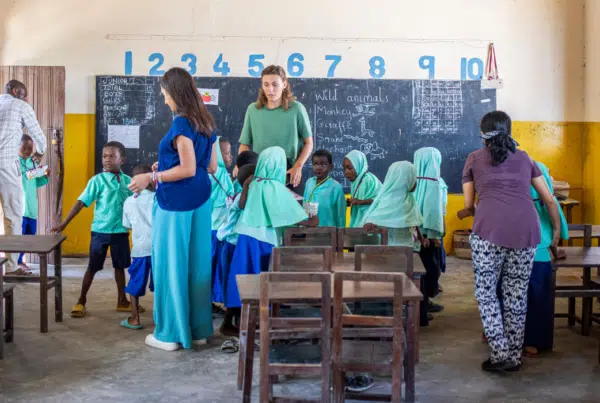
Each day, the volunteers visit a different community project. These may include Eco Club, Math Club, Reading Club, Girl Impact, Rugby, Health Club, and others. Teaching volunteers are mixed with those working in medical, education, or sports roles to create a balanced team.
16:30 – 18:00 | Back at the Volunteer House
A Monday meeting is held with the entire team to get to know one another, review the weekly plan, and share any additional announcements.

Dinner
18:00 – 18:30

Evening
18:30 – Onwards | Free night
Easy night for all the new volunteers.
Tuesday
Breakfast
07:00 – 07:40
Morning
08:00 – 11:00 | Building and Ecobricking
In the mornings, the team goes out to build structures using Ecobricks. These structures include tree rings, benches, outdoor classrooms, walls, and more. After each structure is completed, it is painted as well. Every other week, the group participates in a litter-picking session to serve as a positive role model within the community. They also make Ecobricks together with other volunteers and students. In addition, involvement includes supporting the weekly SwapShop, where Ecobricks are collected from students in exchange for items such as notebooks, balls, pencil sets, and more.
11:00 – 12:00 | Back at the Volunteer House
Volunteers receive an activities talk from Victoria Falls Backpackers, after which they can book their weekend activities.
Lunch
12:00 – 12:30
Afternoon
12:30 – 13:00 | Preparation time
The volunteers prepare for the afternoon activities together with the staff, ensuring that everyone is fully prepared and understands their role for the afternoon. At times, they also help make peanut butter sandwiches and juice for the students.
13:00 – 16:00 | Community project
Each day, the volunteers visit a different community project. These may include Eco Club, Math Club, Reading Club, Girl Impact, Rugby, Health Club, and others. Teaching volunteers are mixed with those working in medical, education, or sports roles to create a balanced team.
16:30 – 18:00 | Back at the Volunteer House
Free time for everyone until dinner.
Dinner
18:00 – 18:30
Evening
18:30 – Onwards | Movie night
The team today have a movie night in the volunteer house.
Wednesday
Breakfast
07:00 – 07:40
Morning
08:00 – 11:00 | Building and Ecobricking
In the mornings, the team goes out to build structures using Ecobricks. These structures include tree rings, benches, outdoor classrooms, walls, and more. After each structure is completed, it is painted as well. Every other week, the group participates in a litter-picking session to serve as a positive role model within the community. They also make Ecobricks together with other volunteers and students. In addition, involvement includes supporting the weekly SwapShop, where Ecobricks are collected from students in exchange for items such as notebooks, balls, pencil sets, and more.
11:00 – 12:00 | Back at the Volunteer House
A language lesson is held, during which a staff member teaches the volunteers some basic Nyanja phrases.
Lunch
12:00 – 12:30
Afternoon
12:30 – 13:00 | Preparation time
The volunteers prepare for the afternoon activities together with the staff, ensuring that everyone is fully prepared and understands their role for the afternoon. At times, they also help make peanut butter sandwiches and juice for the students.
13:00 – 16:00 | Community project
Each day, the volunteers visit a different community project. These may include Eco Club, Math Club, Reading Club, Girl Impact, Rugby, Health Club, and others. Teaching volunteers are mixed with those working in medical, education, or sports roles to create a balanced team.
16:30 – 18:00 | Back at the Volunteer House
The volunteers are taken to the Maramba community to visit the local market. At the market, a wide variety of goods are sold, with the fabric stalls being a particular favorite. Volunteers can buy chitenge fabric, which local tailors can turn into skirts, bags, or other custom items.
Dinner
18:00 – 18:30
Evening
18:30 | Games night
The team either play games in the volunteer house or they go to a pub quiz in town.
Thursday
Breakfast
07:00 – 07:40
Morning
08:00 – 11:00 | Building and Ecobricking
In the morning we go out and build structures out of Ecobricks. This could be structures such as tree rings, benches, outside classrooms, walls and more. After the structure is finished, we paint them as well. Every other week we do a litter pick session together to be a role model in the community. We also make Ecobrick together with other volunteers and with the students. You´ll be involved with the weekly SwapShop where we collect Ecobricks from the students in return for items such as notebooks, balls, pencils sets and more.
11:00 – 12:00 | Back at the Volunteer House
The volunteers have free time to read a book, go to the supermarket.
Lunch
12:00 – 12:30
Afternoon
12:30 – 13:00 | Preparation time
We prepare for our afternoon activities together with staff. We make sure everyone is fully prepared and knows their part for the afternoon. Sometimes we also bring peanut butter sandwiches and juice for the students so the volunteers can help make that.
13:00 – 16:00 | Village tour
Every volunteer has the opportunity to take part in the Village Tour, which is organized by the women of the local women’s group. This tour serves as an income-generating activity for the group while allowing volunteers to visit and experience two different communities around Livingstone. Volunteers also get to taste local snacks. If a volunteer has already participated in the Village Tour the previous week, they instead take part in a community project.
16:30 – 18:00 | Back at the Volunteer House
Dinner
18:00 – 18:30
Evening
18:30 | Free night
Volunteers have free time to read a book, run errands such as going to the supermarket, or simply relax.
Friday
Breakfast
07:00 – 07:40
Morning
08:00 – 11:00 | Building and Ecobricking
In the mornings, the team goes out to build structures using Ecobricks. These structures include tree rings, benches, outdoor classrooms, walls, and more. After each structure is completed, it is painted as well. Every other week, the group participates in a litter-picking session to serve as a positive role model within the community. They also make Ecobricks together with other volunteers and students. In addition, involvement includes supporting the weekly SwapShop, where Ecobricks are collected from students in exchange for items such as notebooks, balls, pencil sets, and more.
11:00 – 12:00 | Back at the Volunteer House
Volunteers have free time to read a book, run errands such as going to the supermarket, or simply relax.
12:00 – 12:30 | Friday Check-in
Before lunch, a “Friday Check-In” is held. During this session, volunteers are asked for feedback on the week, informed of any maintenance in the house, updated on the weekend plans, and briefed on any new arrivals.
Lunch
12:30 – 13:30 | Cultural meal
Afternoon
13:30 – 16:00 | Cultural afternoon
Volunteers gather in the boma at the backpackers, where one or two staff members give a talk about Zambia. The session includes time for questions and answers, followed by a “mock wedding,” in which two volunteers are playfully married to demonstrate a traditional Zambian wedding. Afterward, everyone participates in drumming and dancing together. If a volunteer has already attended the cultural afternoon the previous week, they instead take part in a community project.
Dinner
18:00 – 18:30
Evening
18:30 | Free night
Volunteers have free time to read a book, run errands such as going to the supermarket, or simply relax.
Project Location
Livingstone, Zambia


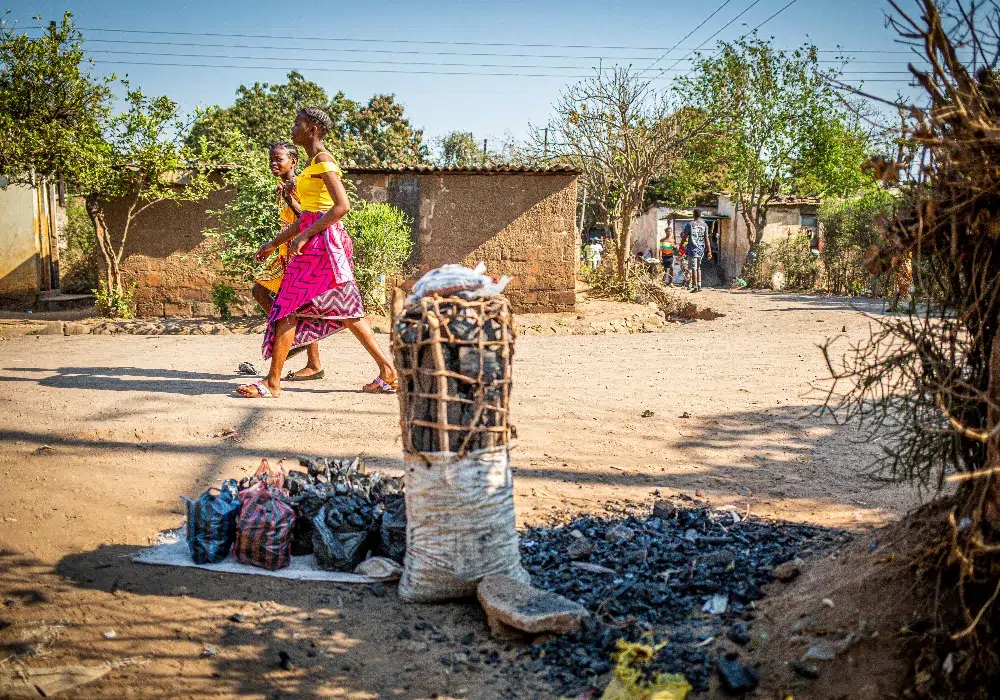


Livingstone: Life on the Zambezi
Set on the banks of the Zambezi River, and a short drive from the mighty Victoria Falls, Livingstone is a town that perfectly balances adventure, culture, and everyday life in Zambia. It has a warm, welcoming energy, with friendly locals, colorful markets, and a relaxed pace that makes it easy to settle in. Outside of your volunteer hours, there’s plenty to see and do. You can spot hippos and crocodiles while taking a boat trip on the Zambezi, walk the paths around impressive Victoria Falls, or go for a game drive in the local game reserve. For those seeking adventure, options include white-water rafting and bungee jumping.
Weekend activity options include:
- Visit the iconic Victoria Falls and take in its incredible power
- Take a sunset cruise on the Zambezi River, surrounded by hippos and crocodiles
- Explore Livingstone’s local markets, shops, and cafés
- Go on a day safari in nearby national parks to spot wildlife
- Try adventure activities like bungee jumping, zip-lining, or white-water rafting
Accommodation

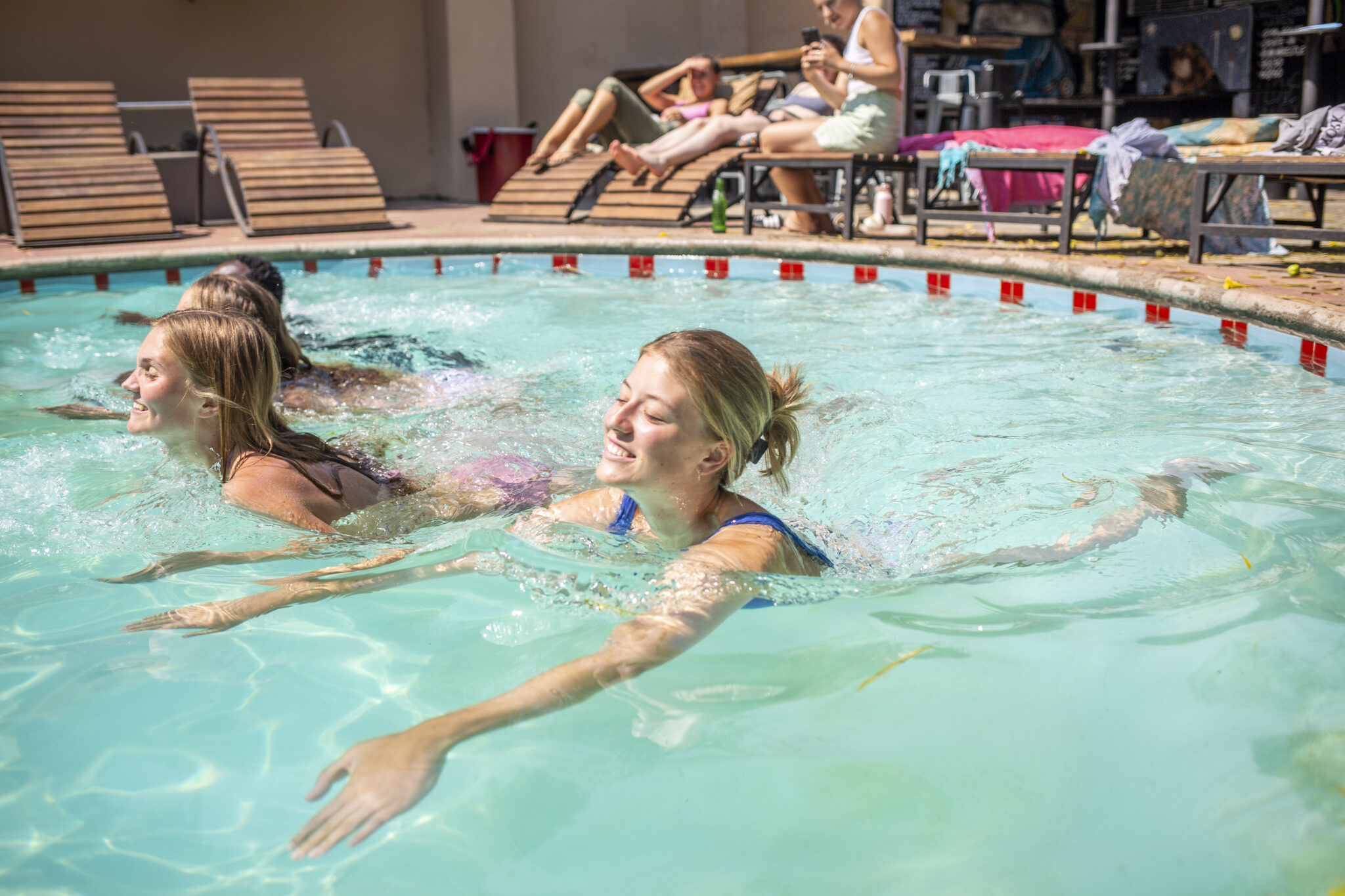


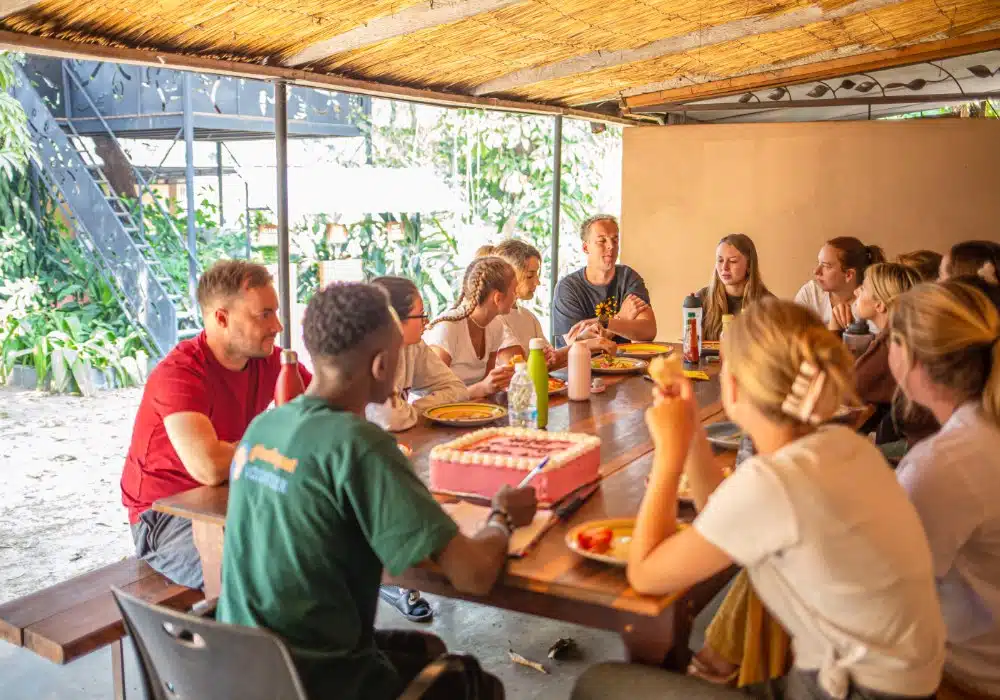
Your home during the project is a simple, comfortable volunteer house in Livingstone, designed to give you everything you need while staying immersed in local life. You’ll share rooms with other volunteers, each equipped with basic furnishings, fans, and secure storage. Bathrooms and showers are shared, and communal areas provide space to relax and connect.
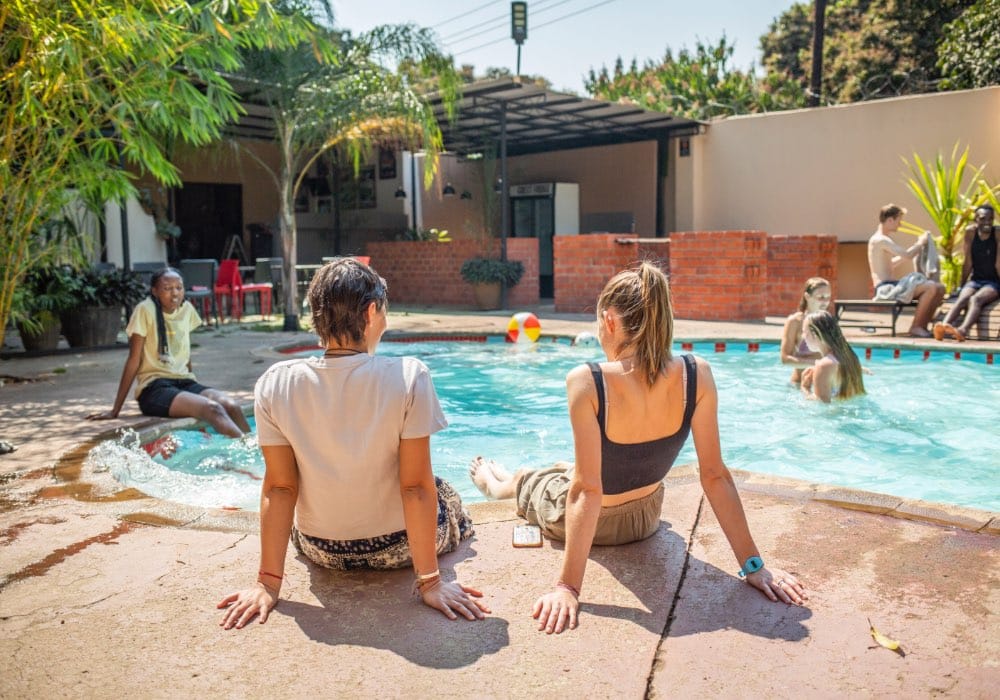
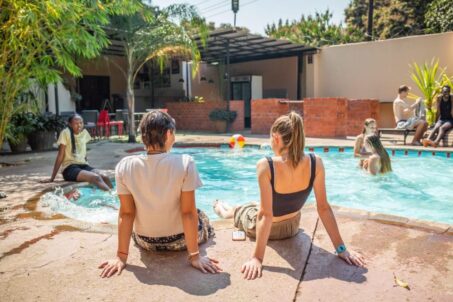
There is also a pool for you to unwind during hot days. The house is within easy reach of the clinics, schools, and local amenities, so it’s easy to balance project work with downtime and explore the town at your own pace. Staying here also gives you the chance to experience daily life in Livingstone alongside other volunteers and local staff.
Meals are prepared on-site by our local team and give a taste of Zambian cuisine alongside familiar, international options. Expect wholesome breakfasts to start your day, filling lunches during project hours, and warm, home-cooked dinners in the evenings. Ingredients are fresh and locally sourced, and dietary needs can usually be accommodated with prior notice. Weekends offer the chance to try local cafés, markets, or cook together with fellow volunteers, making meals not just nourishing but also a social and cultural experience.
You’ll be supported by an experienced local team who oversee daily project activities, training, and volunteer wellbeing. They provide orientation on arrival, guide you through your volunteer work, and are available for advice and support throughout your stay. The team also helps you understand local culture and customs, ensuring your work is respectful, effective, and a positive experience for both you and the community.
Staying in Livingstone, you’ll have access to Wi-Fi at the volunteer house, though note speeds can vary. Local SIM cards with data are inexpensive and widely available, allowing you to stay connected while out in the community. Power outages can occasionally occur, which is part of life here, so having a charged power bank and some flexibility is useful.
Volunteer safety is a top priority. You’ll receive a full induction covering health precautions, local customs, and emergency procedures. During clinic visits and home-based care, staff ensure activities are conducted safely and responsibly. The volunteer house is in a secure area, and staff are available 24/7 in case of emergencies. Simple precautions like staying hydrated, protecting yourself from the sun, and following local guidance will help ensure your experience is both safe and enjoyable.
Accommodation
Your home during the project is a simple, comfortable volunteer house in Livingstone, designed to give you everything you need while staying immersed in local life. You’ll share rooms with other volunteers, each equipped with basic furnishings, fans, and secure storage. Bathrooms and showers are shared, and communal areas provide space to relax and connect.
There is also a pool for you to unwind during hot days. The house is within easy reach of the clinics, schools, and local amenities, so it’s easy to balance project work with downtime and explore the town at your own pace. Staying here also gives you the chance to experience daily life in Livingstone alongside other volunteers and local staff.
The Meals
Meals are prepared on-site by our local team and give a taste of Zambian cuisine alongside familiar, international options. Expect wholesome breakfasts to start your day, filling lunches during project hours, and warm, home-cooked dinners in the evenings. Ingredients are fresh and locally sourced, and dietary needs can usually be accommodated with prior notice. Weekends offer the chance to try local cafés, markets, or cook together with fellow volunteers, making meals not just nourishing but also a social and cultural experience.
Support Team
You’ll be supported by an experienced local team who oversee daily project activities, training, and volunteer wellbeing. They provide orientation on arrival, guide you through your volunteer work, and are available for advice and support throughout your stay. The team also helps you understand local culture and customs, ensuring your work is respectful, effective, and a positive experience for both you and the community.
Safety
Volunteer safety is a top priority. You’ll receive a full induction covering health precautions, local customs, and emergency procedures. During clinic visits and home-based care, staff ensure activities are conducted safely and responsibly. The volunteer house is in a secure area, and staff are available 24/7 in case of emergencies. Simple precautions like staying hydrated, protecting yourself from the sun, and following local guidance will help ensure your experience is both safe and enjoyable.
Connectivity
Staying in Livingstone, you’ll have access to Wi-Fi at the volunteer house, though note speeds can vary. Local SIM cards with data are inexpensive and widely available, allowing you to stay connected while out in the community. Power outages can occasionally occur, which is part of life here, so having a charged power bank and some flexibility is useful.
...opportunities to engage with local culture...
“I came to African Impact for 10 days and I have loved everything about my experience. Staff are so unbelievably friendly, always greeted with a smile and a laugh. I loved being out on project and interacting with the community, I feel I really got out of my trip what I wanted and am so grateful to have been able to experience this. There were lots of opportunities to engage with local culture and the weekend activities such as the trip to Chobe National Park have created memories I will never forget. I highly recommend anyone who craves adventure while being able to give back to consider African impact!.”
Ailish McCreanor, 27, Scotland

Pricing
Rates
| Duration | Program Fee |
|---|---|
| 2 weeks | $1,950 ($975 per week) |
| 3 weeks | $2,800 ($934 per week) |
| 4 weeks | $3,650 ($913 per week) |
| 5 weeks | $4,500 ($900 per week) |
| 6 weeks | $5,350 ($892 per week) |
| 8 weeks | $7,050 ($882 per week) |
| 10 weeks | $8,750 ($875 per week) |
| 12 weeks | $10,450 ($871 per week) |
| 2 weeks | £1,560 (£780 per week) |
| 3 weeks | £2,240 (£747 per week) |
| 4 weeks | £2,920 (£730 per week) |
| 5 weeks | £3,600 (£720 per week) |
| 6 weeks | £4,280 (£714 per week) |
| 8 weeks | £5,640 (£705 per week) |
| 10 weeks | £7,000 (£700 per week) |
| 12 weeks | £8,360 (£697 per week) |
| 2 weeks | €1,794 (€897 per week) |
| 3 weeks | €2,576 (€859 per week) |
| 4 weeks | €3,358 (€840 per week) |
| 5 weeks | €4,140 (€828 per week) |
| 6 weeks | €4,922 (€821 per week) |
| 8 weeks | €6,486 (€811 per week) |
| 10 weeks | €8,050 (€805 per week) |
| 12 weeks | €9,614 (€802 per week) |
| 2 weeks | $2,886 ($1,443 per week) |
| 3 weeks | $4,144 ($1,382 per week) |
| 4 weeks | $5,402 ($1,351 per week) |
| 5 weeks | $6,660 ($1,332 per week) |
| 6 weeks | $7,918 ($1,320 per week) |
| 8 weeks | $10,434 ($1,305 per week) |
| 10 weeks | $12,950 ($1,295 per week) |
| 12 weeks | $15,466 ($1,289 per week) |
Inclusions
- Backpacker style accommodation with swimming pool
- Breakfast, lunch and dinner (Mon - Fri)
- Airport transfers on arrival and departure
- All project transport, equipment and resources
- Support from experienced local and international African Impact staff
- Full orientation for responsible project contribution
Exclusions
- Flights
- Visas
- Insurance
- Weekend tours
- Personal expenses
Requirements
- The minimum age to join this project is 18 years old
- The minimum stay for this project is 2 weeks
Requirements
Arrive at Harry Mwanga Nkumbula (Livingstone) International Airport (LVI) on your Monday start date, landing between 9am and 6pm in order to make the complimentary transfer service. Look for the African Impact sign – a friendly face will be there to welcome you!
Award-winning Volunteer and Internship Projects Since 2004


Enquire now
Volunteering in Africa means travelling with purpose- joining meaningful community or conservation projects, where you pay to cover your stay and project costs, turning your trip into an immersive, impactful experience rather than a traditional holiday.
"*" indicates required fields
Project faqs
What Is Ecobricking?
Ecobricking is a sustainable method using PET bottles filled with soft plastics to create building materials. This practice reduces harmful waste, cleans streets, lowers air pollution, protects water systems, preserves soil quality, and prevents wildlife from ingesting toxic plastics, creating a healthier environment for the Livingstone community.
How Are Ecobricks Used In Africa?
Waste pollution is becoming a serious problem across Africa, and there is a great need for collaborative community initiatives that put reducing, reusing, and recycling waste first. Ecobricks are one of those solutions! By taking excess waste, cleaning it, and using it to build firm bricks, Ecobricks have quickly become a game-changer in sustainably reducing waste and building eco-friendly community infrastructure.
How Do Ecobricks Help With Environmental Conservation?
Absolutely! Rather than bringing in new materials to build community structures, Ecobricks reuse and recycle previously discarded items and give them new life. By doing this, Ecobricks also reduces excess non-biodegradable waste from community environments, creating a genuinely cyclical approach to sustainability.
Our favourite weekend activities in Zambia
Africa’s adventure capital offers no shortage of ways to spend your weekends as a volunteer. There’s something for everyone – from the adrenaline junkie to culturally intrigued traveller.