



Wildlife Rehabilitation Project in South Africa
VOLUNTEER
CONSERVATION
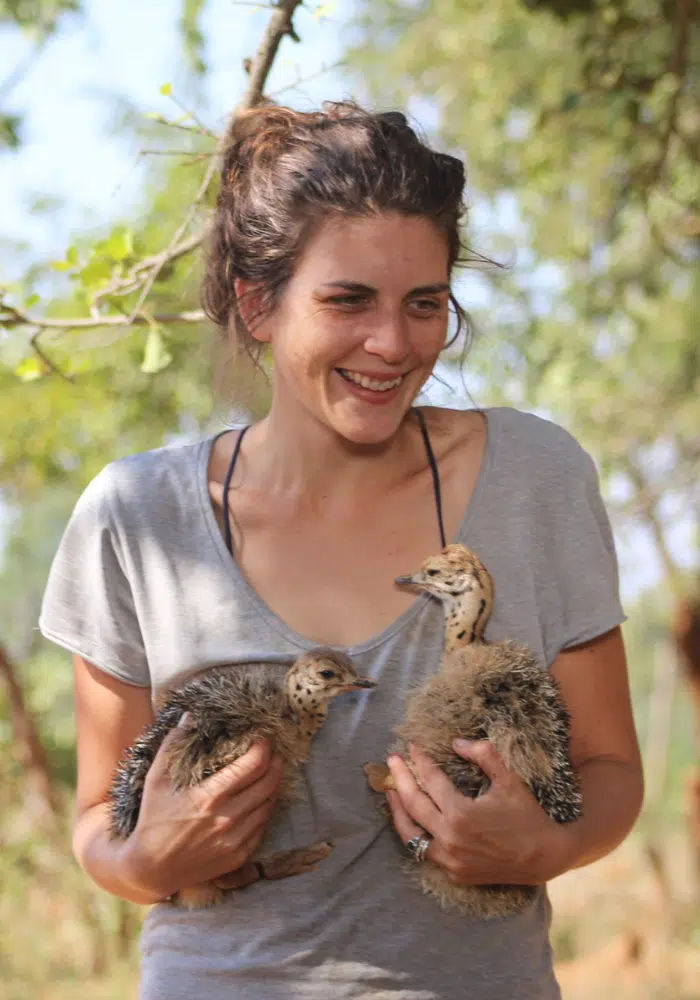
Get Hands-On with Rehabilitated Wildlife
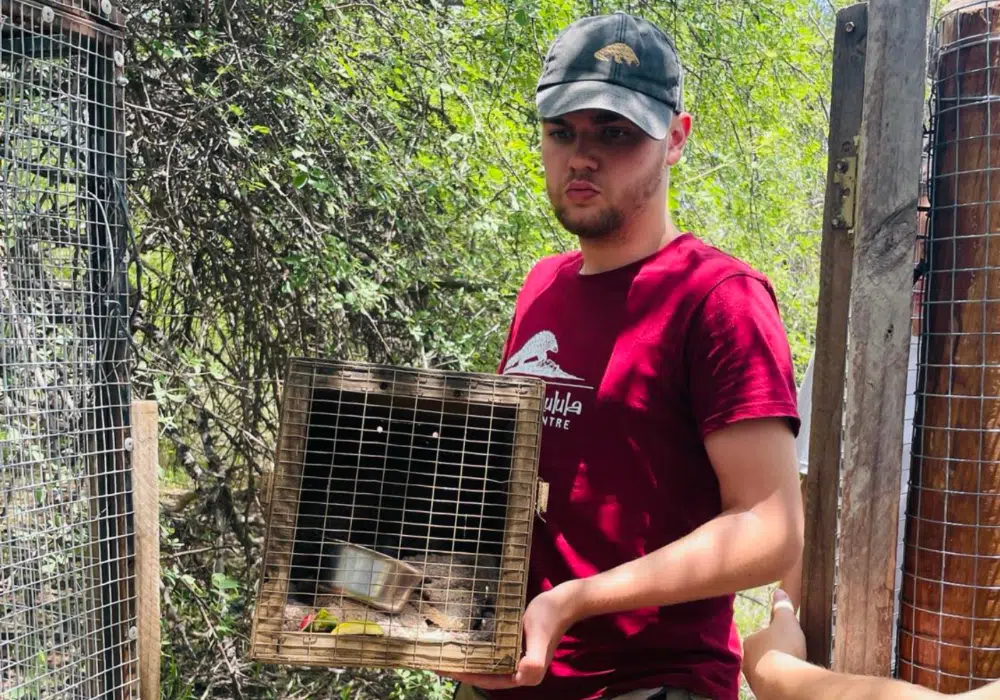
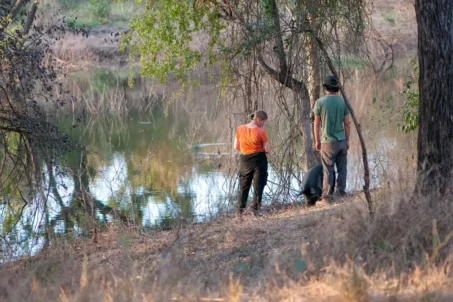
Deep in South Africa’s Limpopo Province, just outside the Greater Kruger region, a dedicated team works every day to rescue, rehabilitate, and release injured and orphaned wildlife. As a volunteer, you’ll support the daily work of the centre by helping care for animals that have been rescued from difficult circumstances.
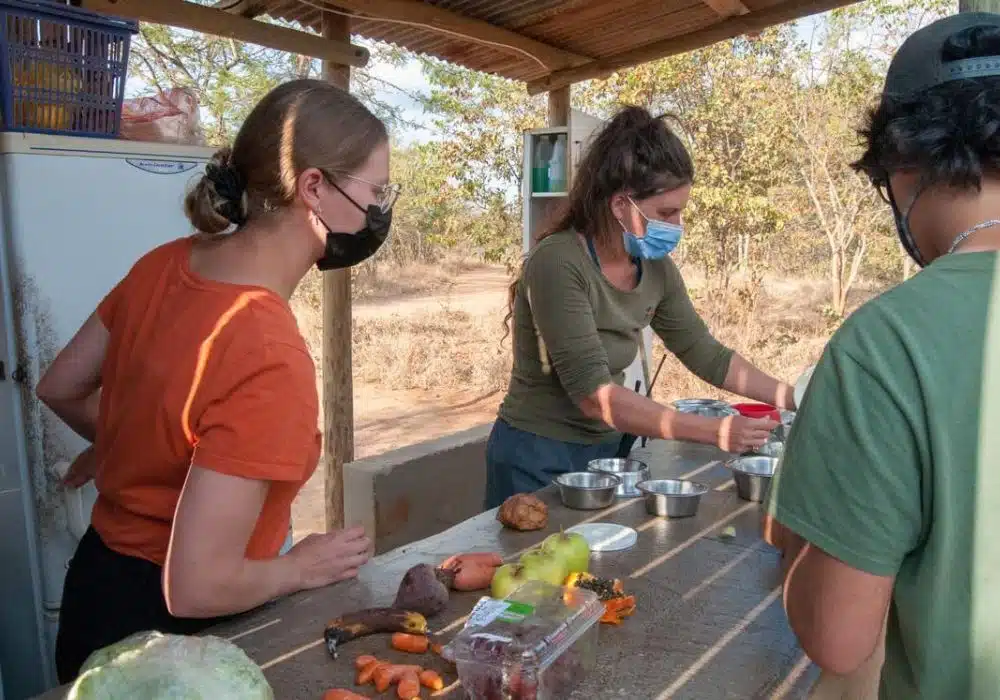
From feeding and enclosure care to assisting with behavioural monitoring, your work helps create a safe environment where animals can regain strength and learn the skills they need to survive in the wild again. Life at the centre is immersive and hands-on. Each day brings something different, whether it’s preparing food for the animals, assisting with enrichment activities, or helping monitor their progress toward release.
Project highlights
-
Care for rescued wildlife
Through the daily care of animals recovering from injury or displacement.
-
Assist in rehabilitation efforts
Helping animals regain strength and natural behaviours before release.
-
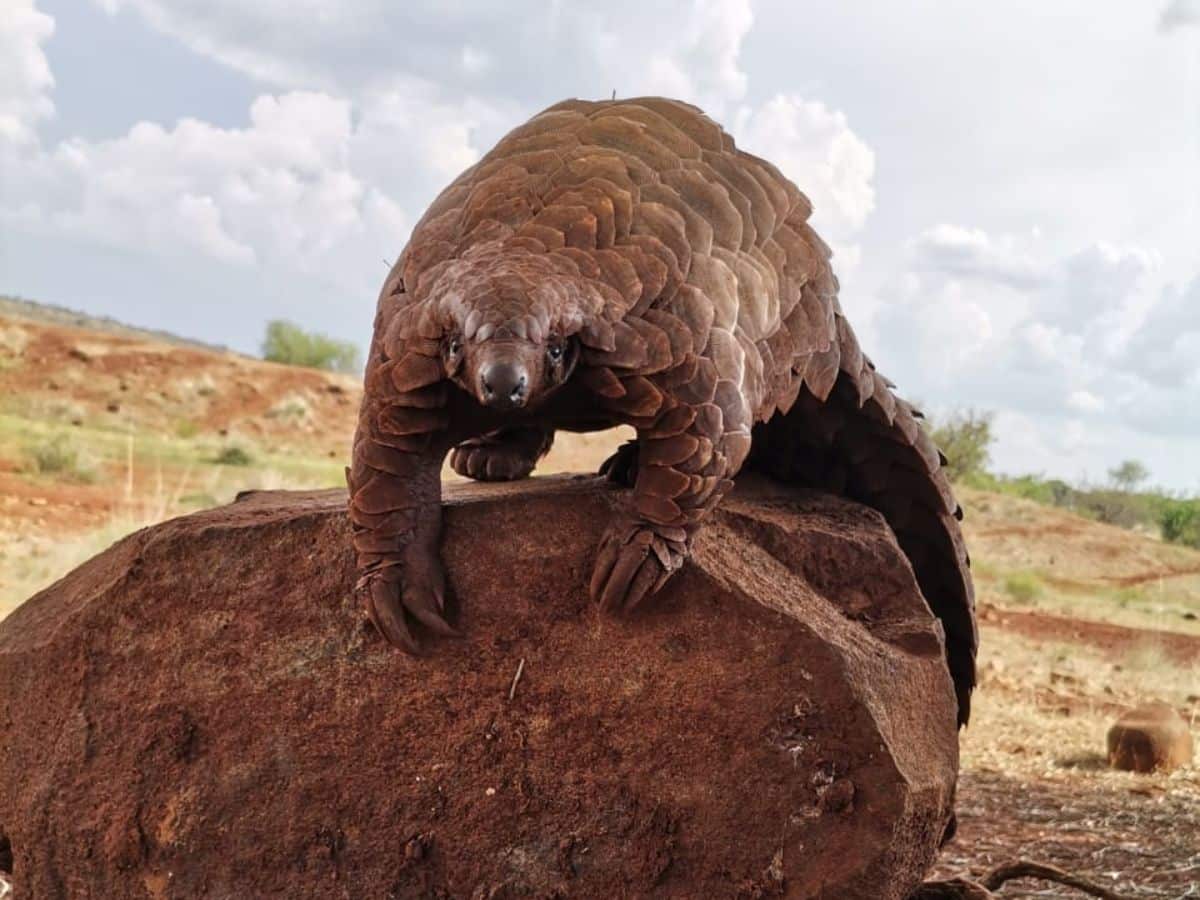
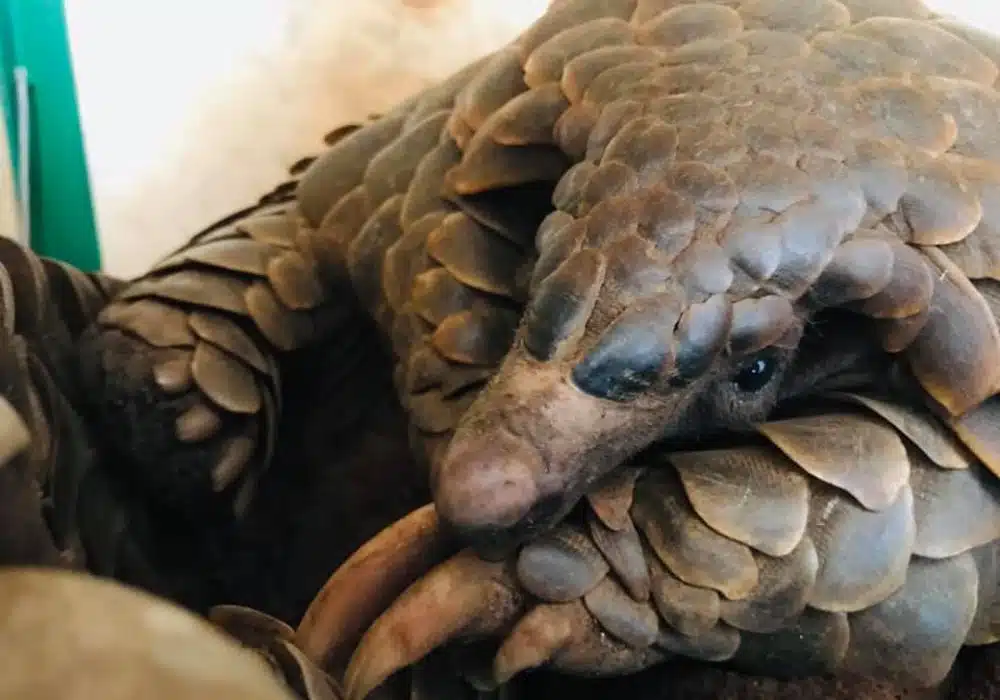
Potential Work with Pangolins
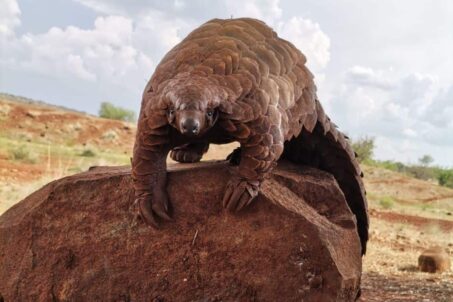
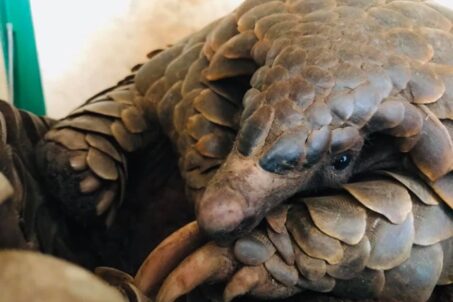
You may have the opportunity to work with Temminck’s pangolins on occasion.
-
Experience wildlife conservation up close
Alongside experienced rehabilitators and conservation professionals.


Available: Year Round

Duration: 2 Weeks+

Price From $2,340 This cost covers your accommodation, meals, project fees, transfers, 24/7 support and in-country orientation.



What You’ll Do as a Wildlife Rescue & Rehabilitation Volunteer
This project centres around wildlife care and rehabilitation. You’ll work alongside the center’s dedicated team to support animals as they recover from injury, illness, or abandonment and prepare for a return to the wild.
CONSERVATION
Daily Wildlife Care & Rehabilitation
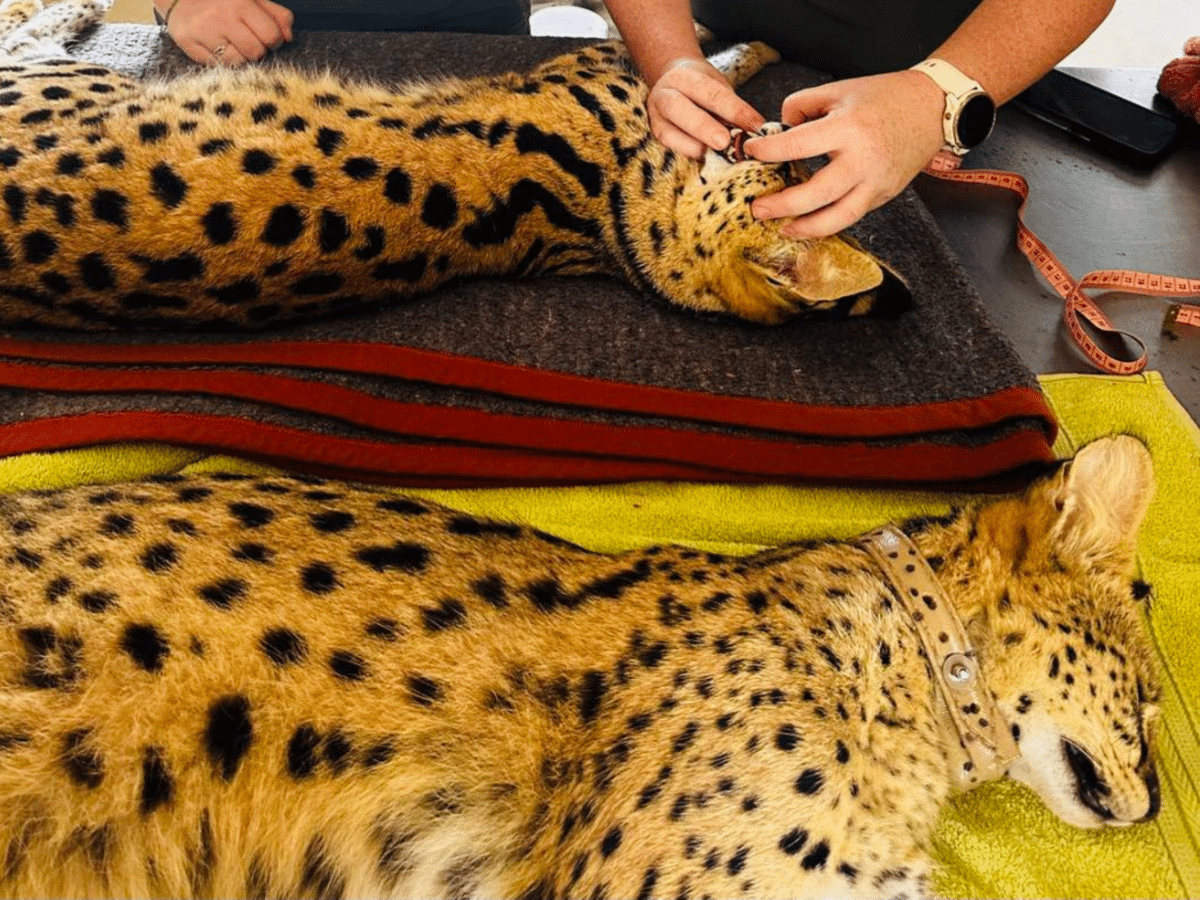
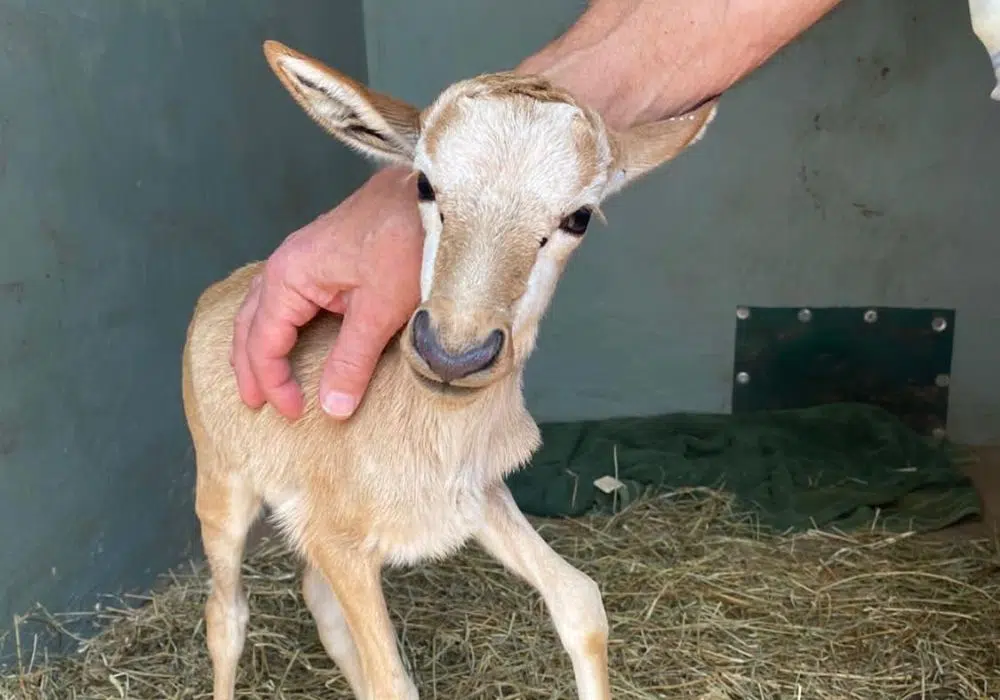
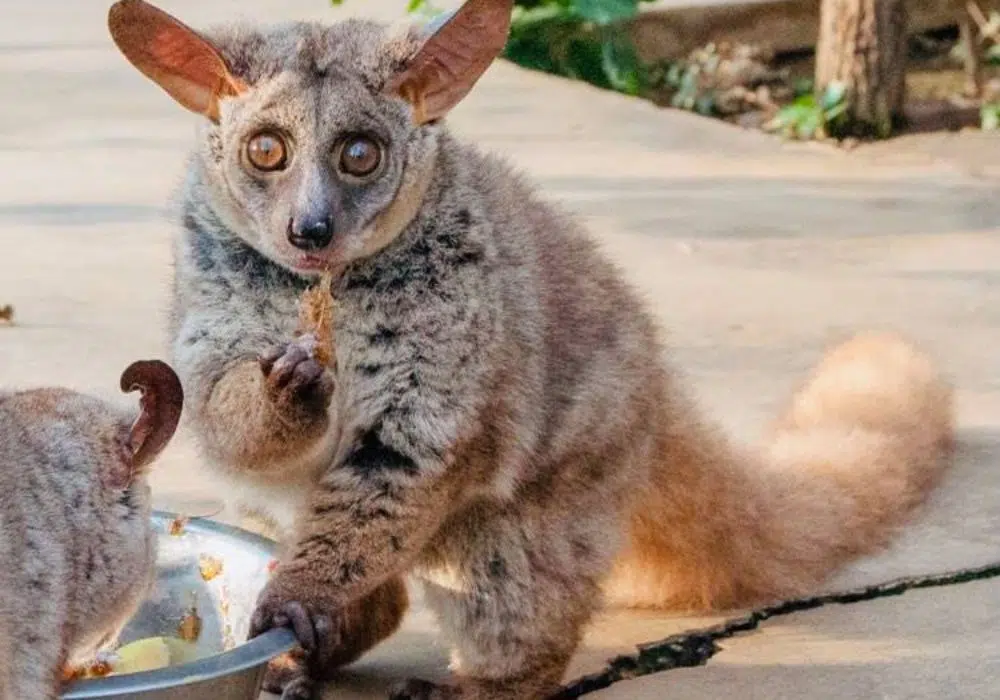
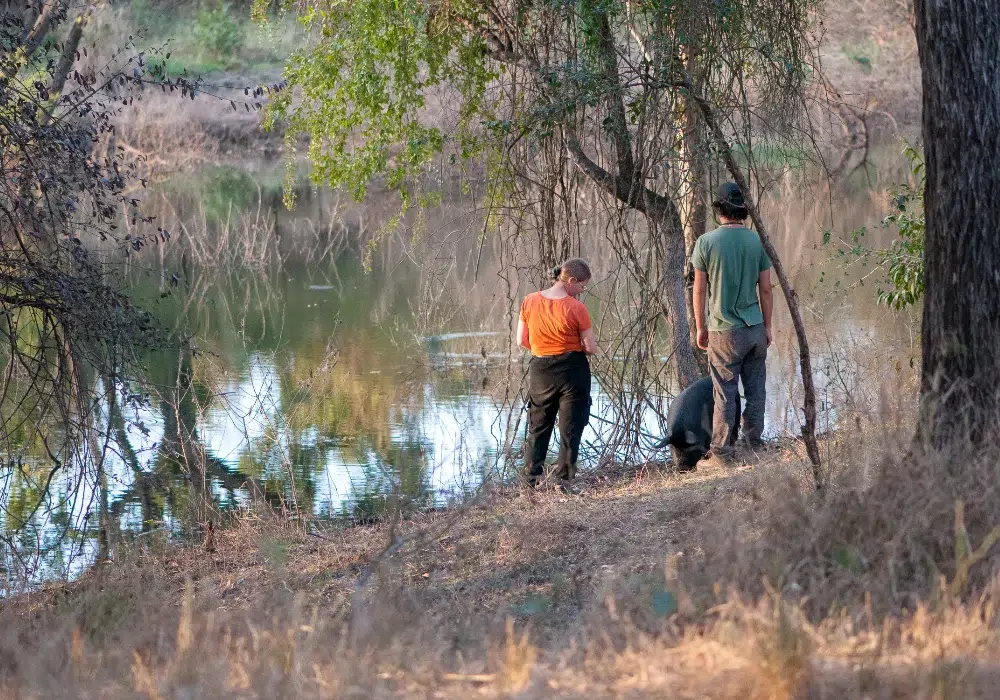
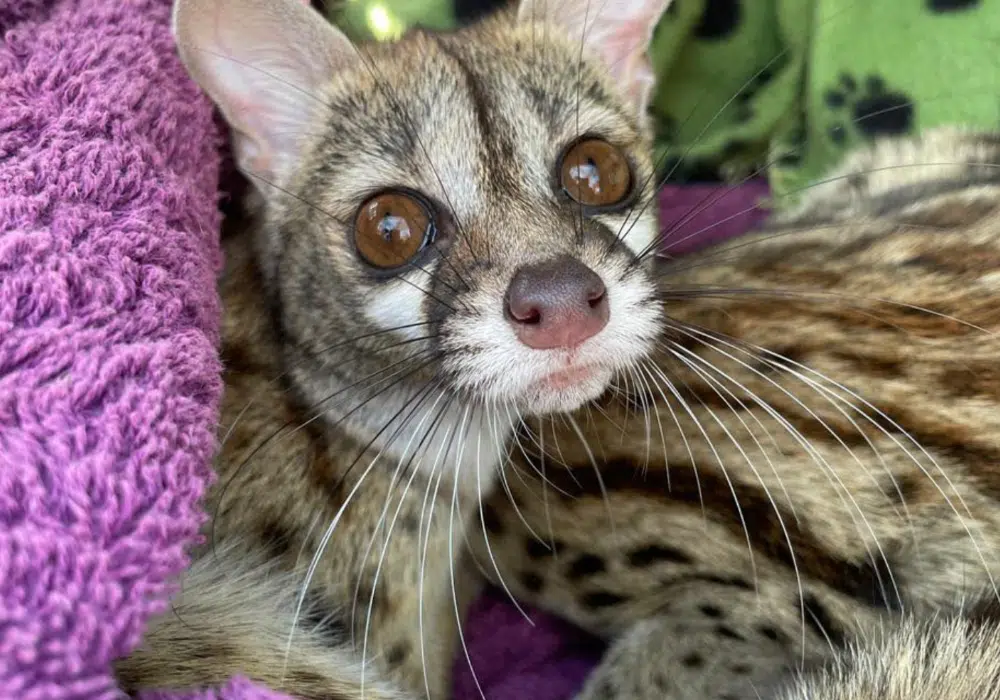
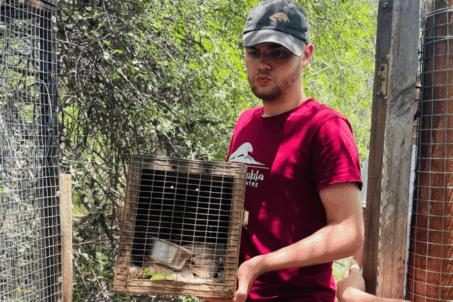
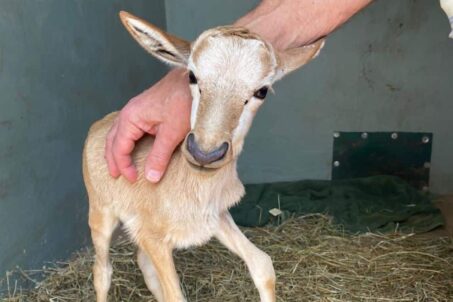
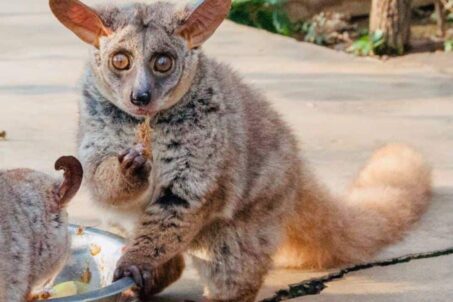
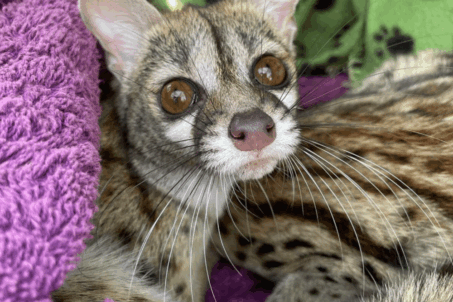
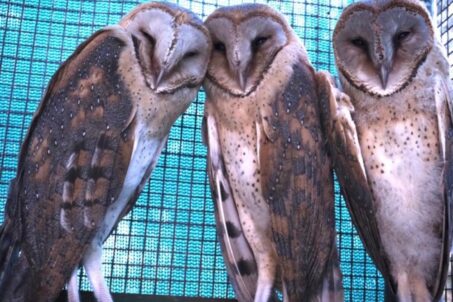
A large part of the project involves supporting the daily care routines that keep the rehabilitation centre running. Volunteers help prepare food for a variety of animals, assist with feeding sessions, clean and maintain enclosures, and ensure each animal’s environment remains safe and enriching. Animals at the centre may include bush babies, warthogs, antelope, caracals, porcupines, birds of prey, and other native wildlife. Every species requires different care routines, and volunteers quickly gain insight into how rehabilitation teams adapt their approach to each animal’s needs. These daily tasks play a crucial role in maintaining the animals’ health and preparing them for life back in the wild

U.N. SUSTAINABLE DEVELOPMENT GOALS
Life on Land
Life on Land
CONSERVATION
Orphaned Animal Care
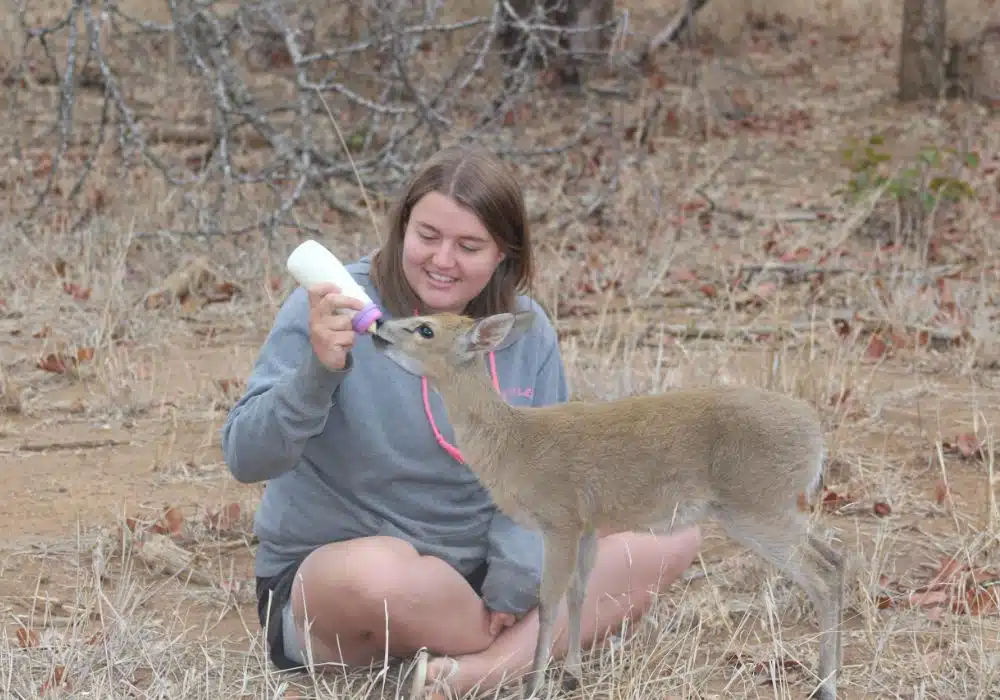
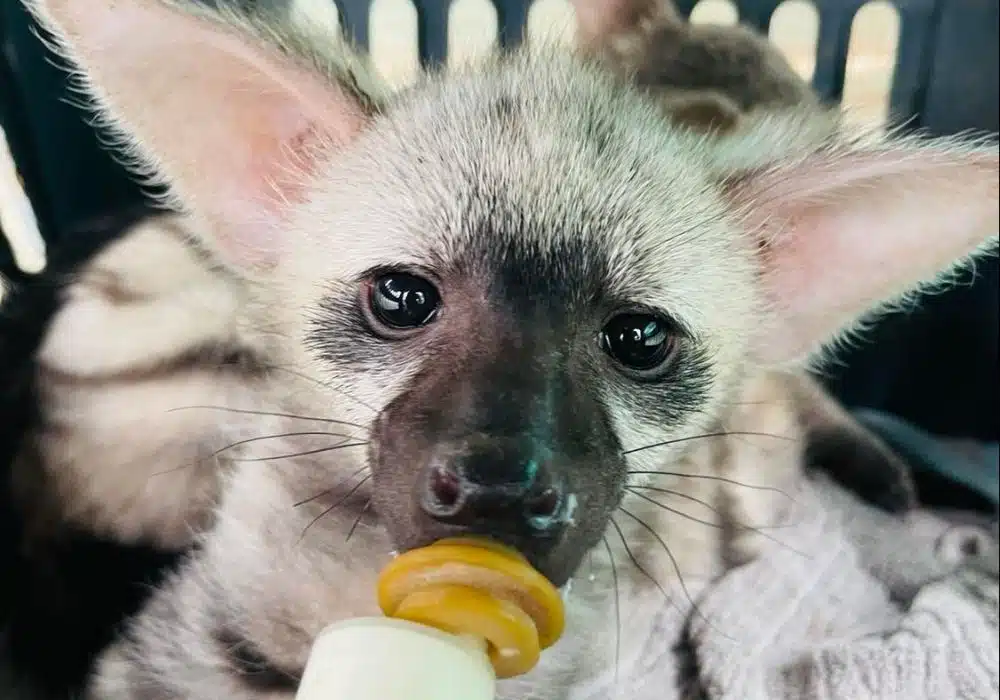
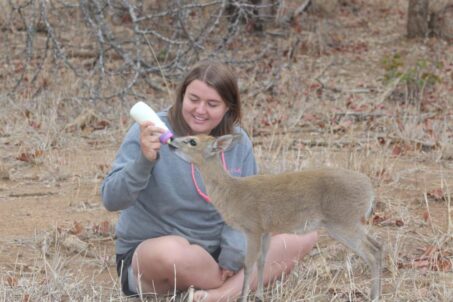
Many animals arriving at the centre are young and vulnerable, having been orphaned or separated from their mothers. These animals require intensive care and monitoring as they grow strong enough to survive independently. Volunteers may assist with feeding routines, enclosure maintenance, and monitoring behaviour to ensure young animals develop natural instincts and remain as wild as possible. In some cases, this includes supporting the hand-raising of orphaned wildlife while carefully minimising human interaction so they can eventually return to the wild.
U.N. SUSTAINABLE DEVELOPMENT GOALS
Life on Land
Life on Land
CONSERVATION
Enclosure Enrichment & Behaviour Monitoring
An important part of wildlife rehabilitation involves ensuring animals maintain their natural behaviours. Volunteers help create enrichment activities and environments that encourage animals to forage, explore, and stay mentally stimulated during their recovery. This work may involve preparing natural vegetation, adjusting enclosure features, or observing animal behaviour to help the rehabilitation team understand how well animals are adapting. Maintaining a stimulating environment improves the chances that animals can successfully survive once released back into their natural habitat.
U.N. SUSTAINABLE DEVELOPMENT GOALS
Life on Land
Life on Land
CONSERVATION
Rescue, Release & Conservation Learning
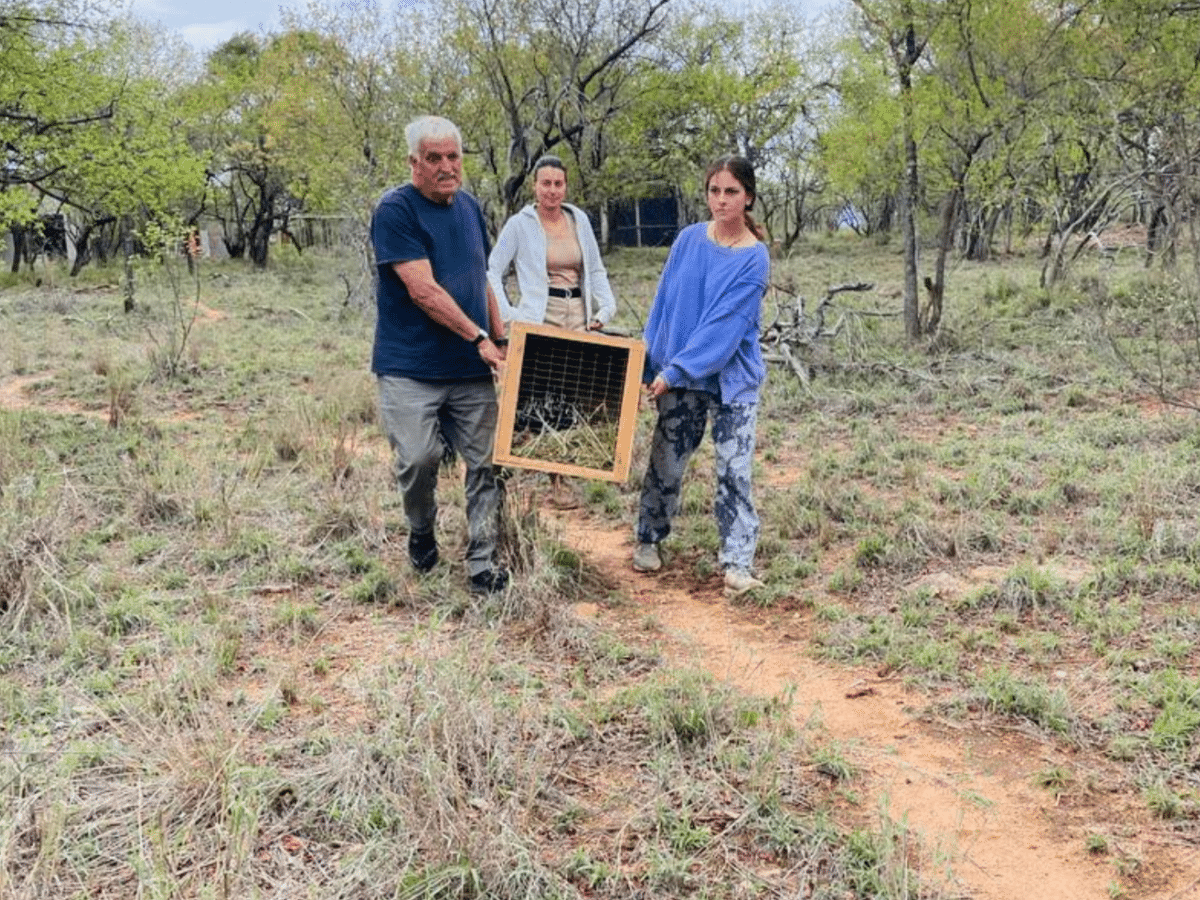
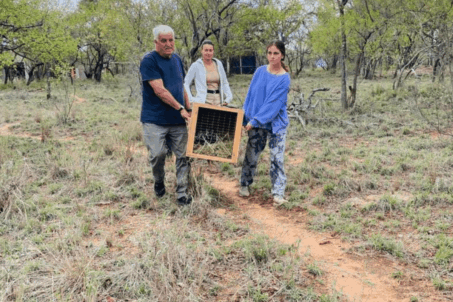
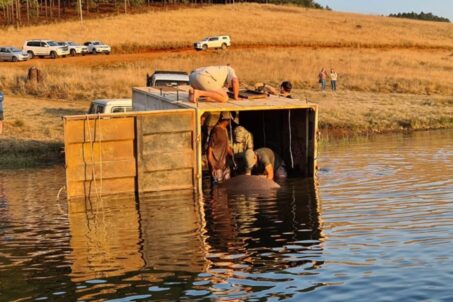
Wildlife rehabilitation does not end with recovery. The ultimate goal is always to return animals to the wild where they belong. When animals are ready, volunteers may witness or assist with the release process, watching animals return to their natural habitat after weeks or months of care. Throughout the project, volunteers also learn about the broader challenges facing wildlife in southern Africa, including habitat loss, human-wildlife conflict, and illegal wildlife trade. These discussions provide valuable insight into how rescue and rehabilitation centres contribute to wider conservation efforts.
U.N. SUSTAINABLE DEVELOPMENT GOALS
Life on Land
Life on Land
What You'll Take Home
Why This Project Suits You
This volunteer project is suited to people who want hands-on experience in wildlife conservation and animal care. It’s ideal for volunteers who care deeply about animals and are interested in understanding the work involved in rescuing and rehabilitating wildlife. No previous animal care experience is required – training is provided, but you should be prepared for practical, behind-the-scenes work at a busy rehabilitation centre.
By the end of your stay, you’ll have:
Practical experience supporting wildlife rehabilitation
Insight into rescue, care, and release processes
A deeper understanding of conservation challenges
Confidence working with a range of wildlife species
Greater resilience, teamwork, and adaptability

Project Location
Tzaneen, South Africa


Life Near the Greater Kruger Wilderness
The project is based near Tzaneen in Limpopo Province, surrounded by lush landscapes and located close to the Greater Kruger ecosystem. This region forms part of one of the largest protected wildlife areas in Africa, creating an incredible backdrop for conservation work.
Living at the rehabilitation centre offers a unique opportunity to experience life close to nature.
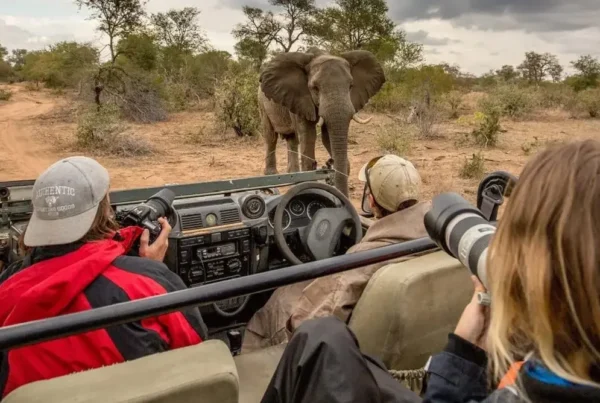
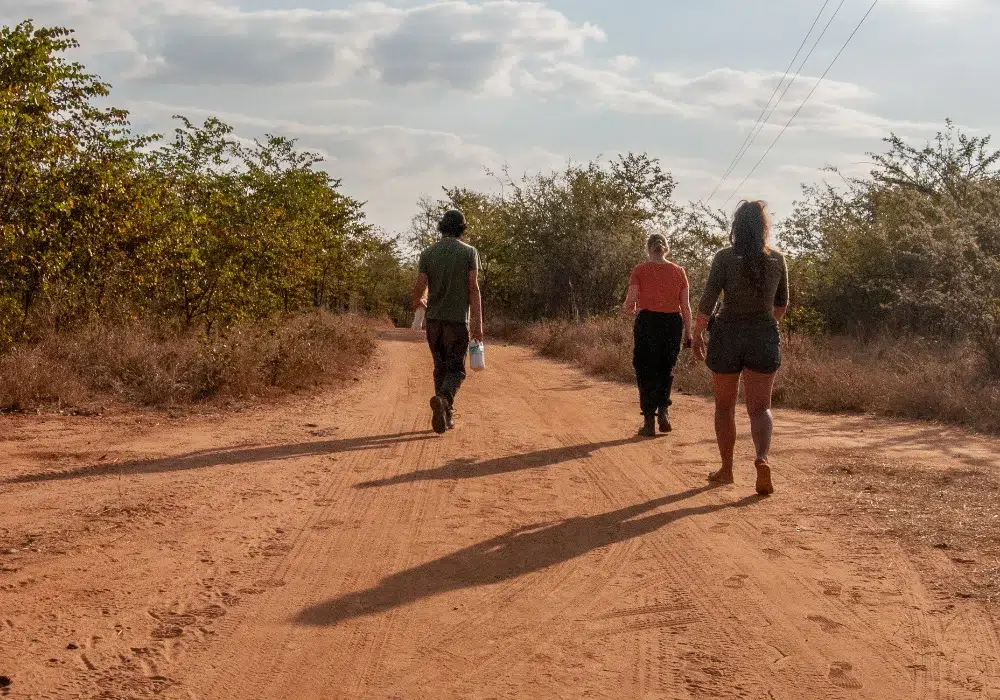
Days are spent caring for wildlife and supporting rehabilitation work, while evenings are often relaxed and social as volunteers gather to share stories of the day’s experiences. On weekends, volunteers often explore the surrounding region. Popular activities include visiting the nearby Kruger National Park, exploring the dramatic scenery of Blyde River Canyon, or discovering the forests and waterfalls of the Panorama Route.
Accommodation
Your Volunteer Home in Tzaneen, South Africa


You’ll stay in shared volunteer accommodation close to the Umoya Khulula Wildlife Rehabilitation Centre, surrounded by the natural landscapes of Limpopo Province. Living on or near the centre allows volunteers to become fully immersed in the rhythm of rehabilitation work, where mornings often begin early and the sounds of wildlife are never far away.
Rooms are shared with fellow volunteers and provide comfortable, simple spaces designed for a relaxed and social environment. Bedding and basic amenities are provided, and communal areas give volunteers space to relax, prepare meals, and spend time together after the day’s activities. Living alongside other volunteers creates a strong sense of community, where conversations often revolve around the animals being cared for and the experiences shared throughout the day.
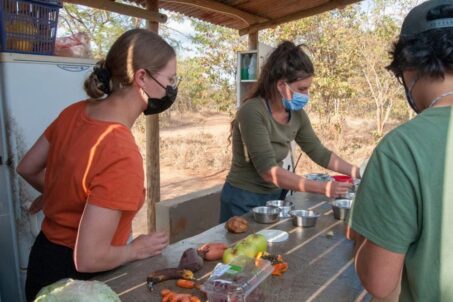
Meals are typically simple, hearty, and designed to fuel busy days of physical outdoor work. Volunteers usually prepare breakfast and lunch together using ingredients provided at the volunteer house, while dinners are often shared meals where the group cooks together. Occasionally, volunteers may visit nearby restaurants or cafés in the surrounding area during evenings or weekends. Meals often reflect the flavours of South African home cooking, with fresh vegetables, grains, and locally sourced ingredients.
Wi-Fi may be available at the volunteer accommodation, although speeds can vary depending on the rural location. Many volunteers choose to purchase a local SIM card for mobile data during their stay. Living near the rehabilitation centre means volunteers are somewhat removed from city life, offering a chance to disconnect from busy routines and immerse themselves in the natural surroundings.
You’ll be supported by the experienced wildlife rehabilitation team at Umoya Khulula, who oversee all animal care, rescue operations, and rehabilitation programmes. They guide volunteers through daily tasks, explain the rehabilitation process, and ensure the welfare of each animal remains the top priority. The team shares valuable insight into wildlife conservation, animal behaviour, and the realities of rescue and rehabilitation work in South Africa. Their knowledge helps volunteers understand both the challenges and rewards of protecting wildlife.
Volunteer safety and animal welfare are taken seriously at the rehabilitation centre. You’ll receive a full induction covering safety protocols, animal handling guidelines, and daily procedures before beginning any activities. Some animals at the centre require minimal human interaction to maintain their natural behaviours, so volunteers are trained in appropriate conduct and observation practices. Staff members supervise activities to ensure both volunteers and animals remain safe throughout the programme.
Project Destination
You’ll stay in shared volunteer accommodation close to the Umoya Khulula Wildlife Rehabilitation Centre, surrounded by the natural landscapes of Limpopo Province. Living on or near the centre allows volunteers to become fully immersed in the rhythm of rehabilitation work, where mornings often begin early and the sounds of wildlife are never far away.
Rooms are shared with fellow volunteers and provide comfortable, simple spaces designed for a relaxed and social environment. Bedding and basic amenities are provided, and communal areas give volunteers space to relax, prepare meals, and spend time together after the day’s activities. Living alongside other volunteers creates a strong sense of community, where conversations often revolve around the animals being cared for and the experiences shared throughout the day.
The Meals
Meals are typically simple, hearty, and designed to fuel busy days of physical outdoor work. Volunteers usually prepare breakfast and lunch together using ingredients provided at the volunteer house, while dinners are often shared meals where the group cooks together. Occasionally, volunteers may visit nearby restaurants or cafés in the surrounding area during evenings or weekends. Meals often reflect the flavours of South African home cooking, with fresh vegetables, grains, and locally sourced ingredients.
Communication
Wi-Fi may be available at the volunteer accommodation, although speeds can vary depending on the rural location. Many volunteers choose to purchase a local SIM card for mobile data during their stay. Living near the rehabilitation centre means volunteers are somewhat removed from city life, offering a chance to disconnect from busy routines and immerse themselves in the natural surroundings.
Staff
You’ll be supported by the experienced wildlife rehabilitation team at Umoya Khulula, who oversee all animal care, rescue operations, and rehabilitation programmes. They guide volunteers through daily tasks, explain the rehabilitation process, and ensure the welfare of each animal remains the top priority. The team shares valuable insight into wildlife conservation, animal behaviour, and the realities of rescue and rehabilitation work in South Africa. Their knowledge helps volunteers understand both the challenges and rewards of protecting wildlife.
Safety
Volunteer safety and animal welfare are taken seriously at the rehabilitation centre. You’ll receive a full induction covering safety protocols, animal handling guidelines, and daily procedures before beginning any activities. Some animals at the centre require minimal human interaction to maintain their natural behaviours, so volunteers are trained in appropriate conduct and observation practices. Staff members supervise activities to ensure both volunteers and animals remain safe throughout the programme.
...the joy of making a real impact...
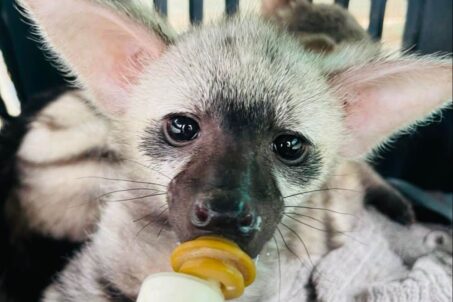
“I spent a month volunteering at the centre and I could have easily stayed for a couple more. Emma, Katharine and the rest of the team there were so nice and friendly. I hadn’t travelled along before but they really made it feel like home. The range of different animals that they had there was amazing and I got hands-on experience that you wouldn’t find anywhere else, for example, taking Mars the aardvark on his evening walks, darting and transporting animals and camping at the release site. I would definitely recommend this to anyone and I am hoping to go back one day.”
Max Coult
Pricing
Rates
| Duration | Program Fee |
|---|---|
| 2 weeks | $2,340 ($1,170 per week) |
| 3 weeks | $3,565 ($1,189 per week) |
| 4 weeks | $4,645 ($1,162 per week) |
| 5 weeks | $5,730 ($1,146 per week) |
| 6 weeks | $6,815 ($1,136 per week) |
| 8 weeks | $8,980 ($1,123 per week) |
| 10 weeks | $11,150 ($1,115 per week) |
| 12 weeks | $13,320 ($1,110 per week) |
| 2 weeks | £1,875 (£938 per week) |
| 3 weeks | £2,855 (£952 per week) |
| 4 weeks | £3,720 (£930 per week) |
| 5 weeks | £4,585 (£917 per week) |
| 6 weeks | £5,455 (£910 per week) |
| 8 weeks | £7,185 (£899 per week) |
| 10 weeks | £8,920 (£892 per week) |
| 12 weeks | £10,660 (£889 per week) |
| 2 weeks | €2,155 (€1,078 per week) |
| 3 weeks | €3,280 (€1,094 per week) |
| 4 weeks | €4,275 (€1,069 per week) |
| 5 weeks | €5,275 (€1,055 per week) |
| 6 weeks | €6,270 (€1,045 per week) |
| 8 weeks | €8,265 (€1,034 per week) |
| 10 weeks | €10,260 (€1,026 per week) |
| 12 weeks | €12,255 (€1,022 per week) |
| 2 weeks | $3,465 ($1,733 per week) |
| 3 weeks | $5,280 ($1,760 per week) |
| 4 weeks | $6,875 ($1,719 per week) |
| 5 weeks | $8,480 ($1,696 per week) |
| 6 weeks | $10,090 ($1,682 per week) |
| 8 weeks | $13,290 ($1,662 per week) |
| 10 weeks | $16,505 ($1,651 per week) |
| 12 weeks | $19,715 ($1,643 per week) |
Inclusions
- Cottage style accommodation with jacuzzi
- Breakfast, lunch ingredients and dinner (Mon - Sun)
- Laundry service
- Airport transfers on arrival and departure
- All project transport, equipment and resources
- Support from experienced local and international staff
- Full orientation for responsible project contribution
Exclusions
- Flights
- Visas
- Insurance
- Weekend tours
- Personal expenses
Requirements
- The minimum age to join this project is 18 years old
- The minimum stay for this project is 2 weeks
Flights & Arrivals
Fly in to Hoedspruit Airport (HDS), just 1 hour and 15 minutes from Umoya Khulula. Arrive anytime on the Sunday that your volunteering begins and depart anytime on the Sunday it ends. The team from Umoya Khulula will be there to greet you!
Award-winning Volunteer and Internship Projects Since 2004


Enquire now
Volunteering in Africa means travelling with purpose- joining meaningful community or conservation projects, where you pay to cover your stay and project costs, turning your trip into an immersive, impactful experience rather than a traditional holiday.
"*" indicates required fields
Project faqs
What Kind Of Work Will I Be Doing?
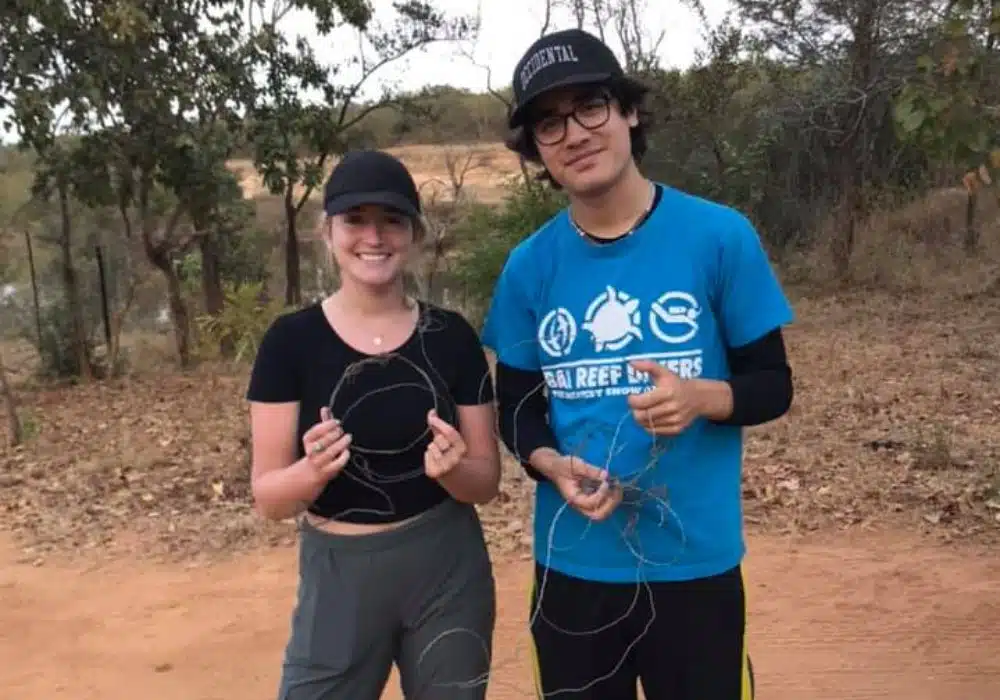
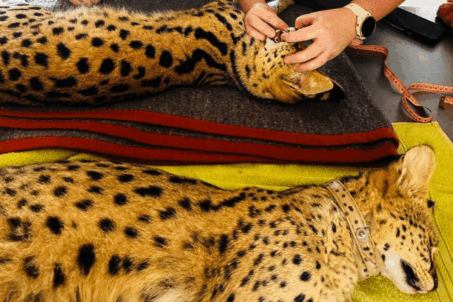
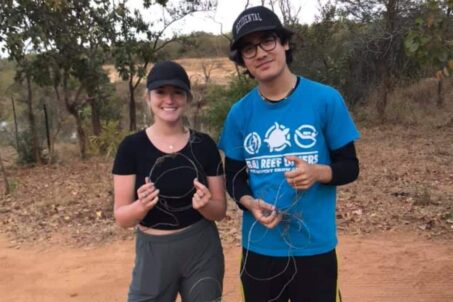
Volunteers at the wildlife centre will be immersed in a variety of essential tasks and learning opportunities. Daily responsibilities include cleaning enclosures and feeding the animals, as well as assisting with the hand-rearing of orphaned wildlife. You’ll gain valuable knowledge about South African wildlife and conservation practices. When appropriate, volunteers may help with medical procedures and participate in anti-poaching efforts by removing snares from local farms. Other tasks involve collecting enrichment materials for the animals, constructing new enclosures, and maintaining existing ones. You’ll also monitor animals being prepared for release, help integrate social animals into groups, and assist with wildlife releases. For nocturnal, ill, or young animals requiring nighttime care, a rotating schedule ensures that all volunteers share these responsibilities while also getting regular nights off. This hands-on experience offers a comprehensive view of wildlife rehabilitation and conservation efforts.
What Animals Will I Be Working With?
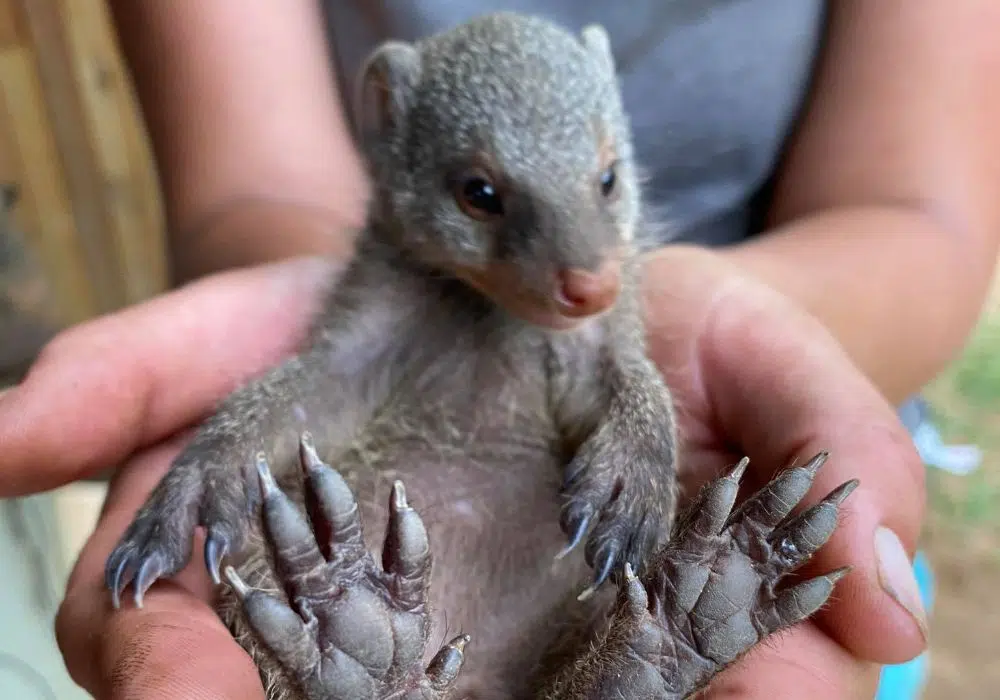
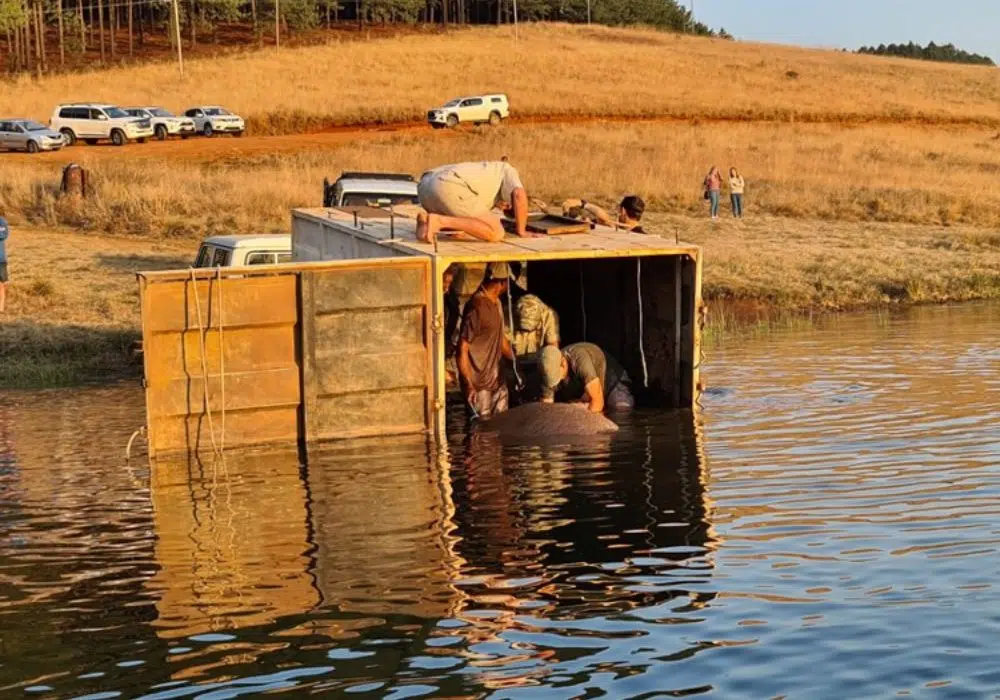
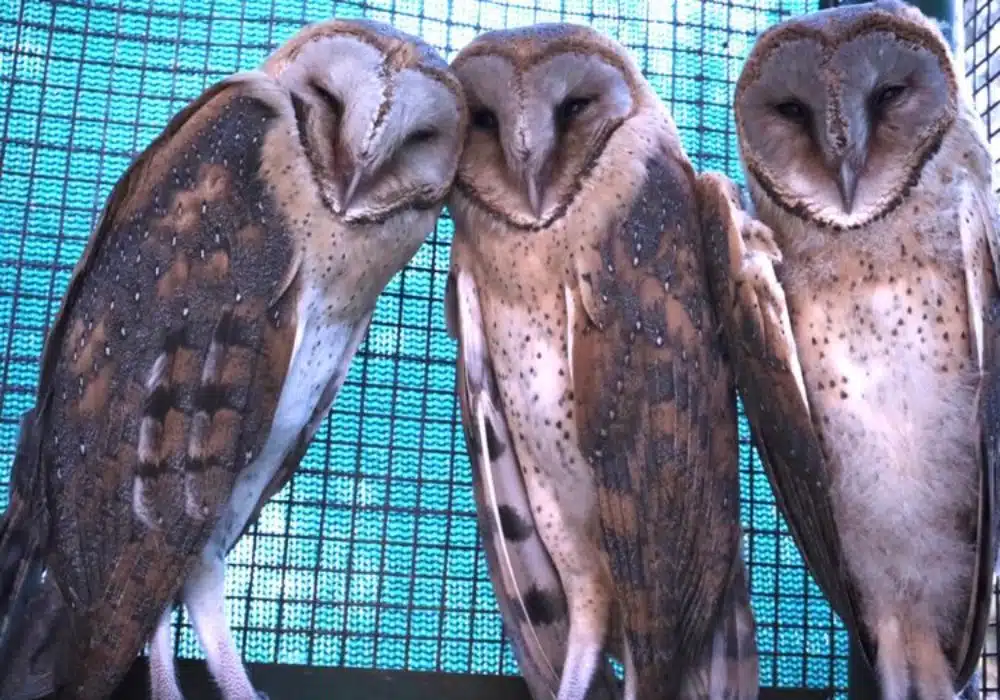
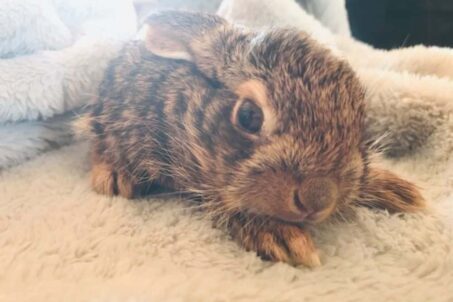
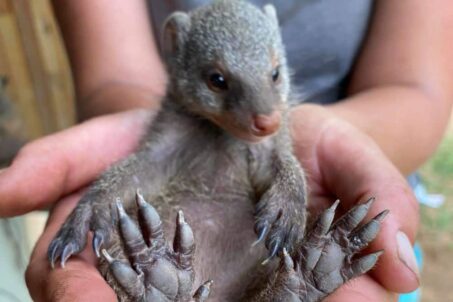
At the centre we hold permits for over 70 different species of animals. It is always hard to say what is going to be at the centre. Some of the main animals that come into the centre are bushbabies, squirrels, warthogs, antelope, hippos, jackals, mongoose, zebras, owls, and tortoises.
Do I Need Experience To Volunteer At The Wildlife Rehabilitation Centre?
No prior experience is required! What truly matters is your enthusiasm for animals and a willingness to learn. So, if you’re eager to immerse yourself in the world of wildlife conservation, don’t let a lack of experience hold you back!
What Vaccinations Are Required To Be A Volunteer
The main vaccinations you will need to have are tetanus, hepatitis A and rabies. Others consider typhoid, hepatitis B and cholera, but we do not specifically require them. We do require proof of vaccination for the 3 mentioned above. Malaria medication is optional. We are not in a high-risk zone but if you are planning to go to Kruger National Park then your doctor might advise you to have them. If in doubt consult your doctor.
Our favourite weekend activities in the Kruger Area
Head out on a Kruger safari, explore the epic viewpoints of the Panorama Route at Blyde River Canyon, visit conservation initiatives like Down To The Wire or Rhino Revolution, or add a thrill with quad biking and adventure activities at Magoebaskloof!