



Teaching & Educational Support in Zambia
VOLUNTEER
TEACHING

Education and Community on the Banks of the Zambezi
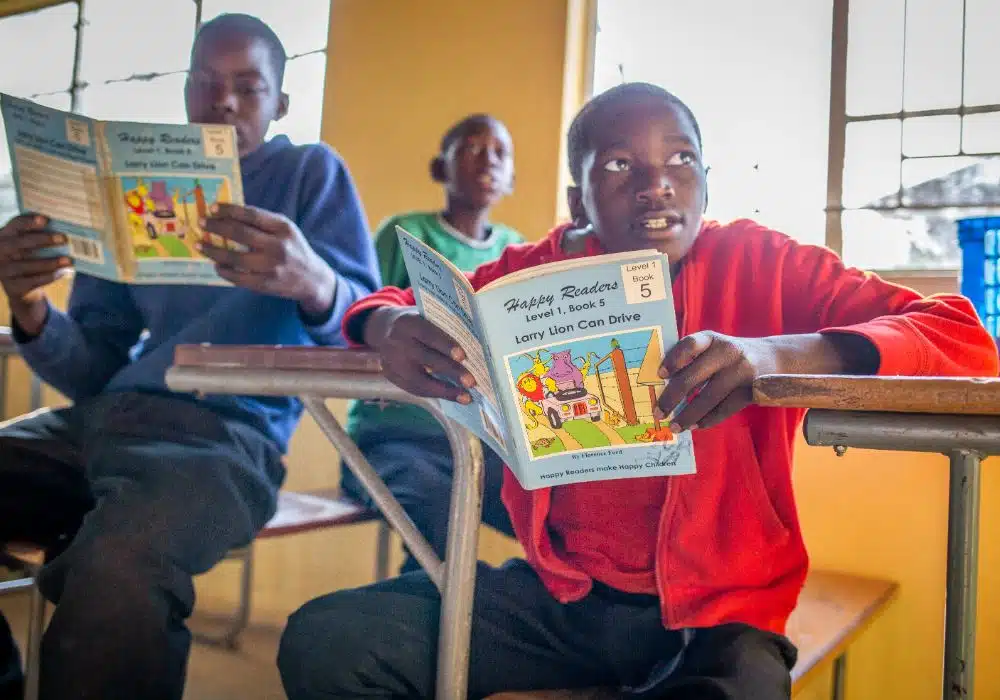
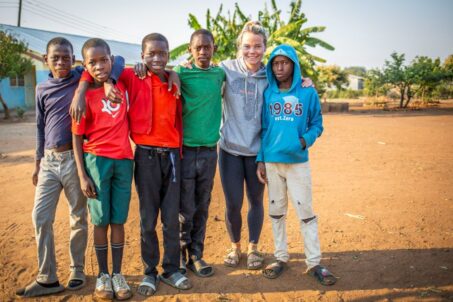
Spend your days immersed in local school life in Livingstone, Zambia, supporting classrooms and engaging with students in a lively, community-driven environment. You’ll work alongside local teachers, contribute to daily learning, and experience the rhythm of school life in a Zambian setting.
As a teaching volunteer on this project, you’ll be living in one of Southern Africa’s most exciting destinations. Based near the iconic Victoria Falls, Livingstone offers adventure, culture, and a strong sense of community. Along with fellow volunteers, you’ll spend weekends discovering waterfalls, wildlife, and the Zambezi River. It’s about travel, growth, and seeing the world from a completely new perspective.
Project highlights
-
Lead lessons in a Zambian classroom
Teach Maths, English, or Science to energetic primary school students.
-
Get involved beyond the classroom
Support afternoon programs focused on reading, health, or sports.
-
Make Livingstone your home
Become part of a volunteer family and a welcoming Zambian community.
-
Have an adventure
Go on game drives, take a sunset cruise, and be awed by the falls.


Available: Year Round

Duration: 2 Weeks+

Price From £1,560 This cost covers your accommodation, meals, project fees, transfers, 24/7 support and in-country orientation.



What You’ll Do
COMMUNITY
Classroom Teaching & Support
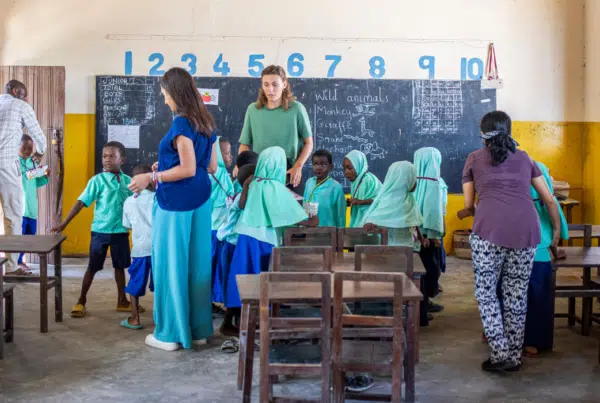
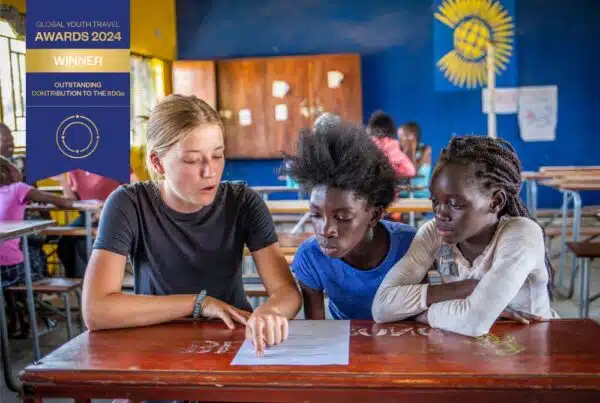
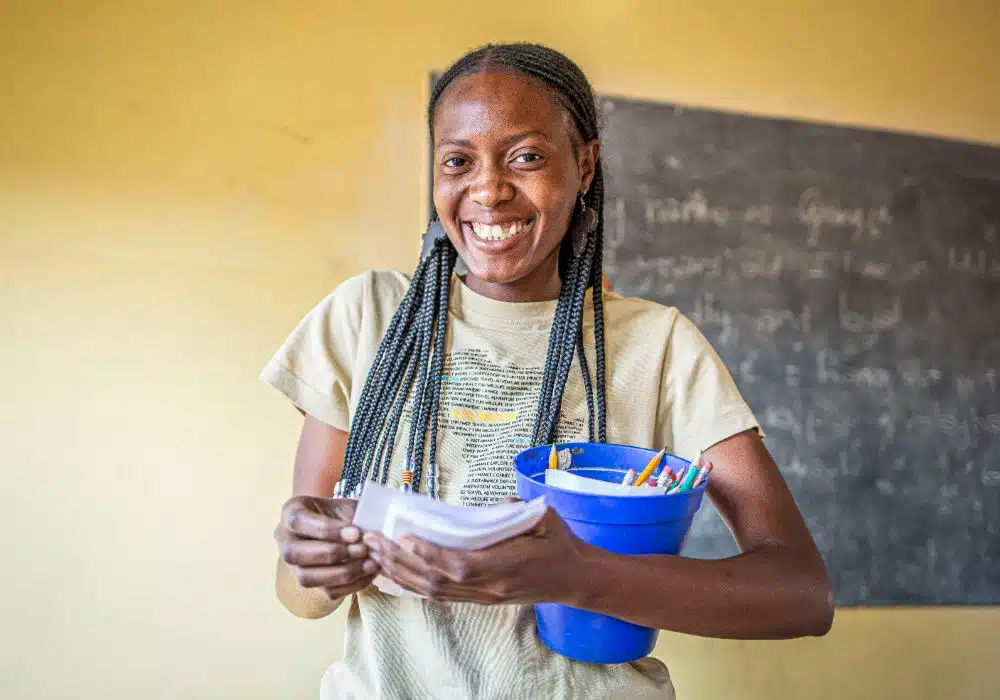
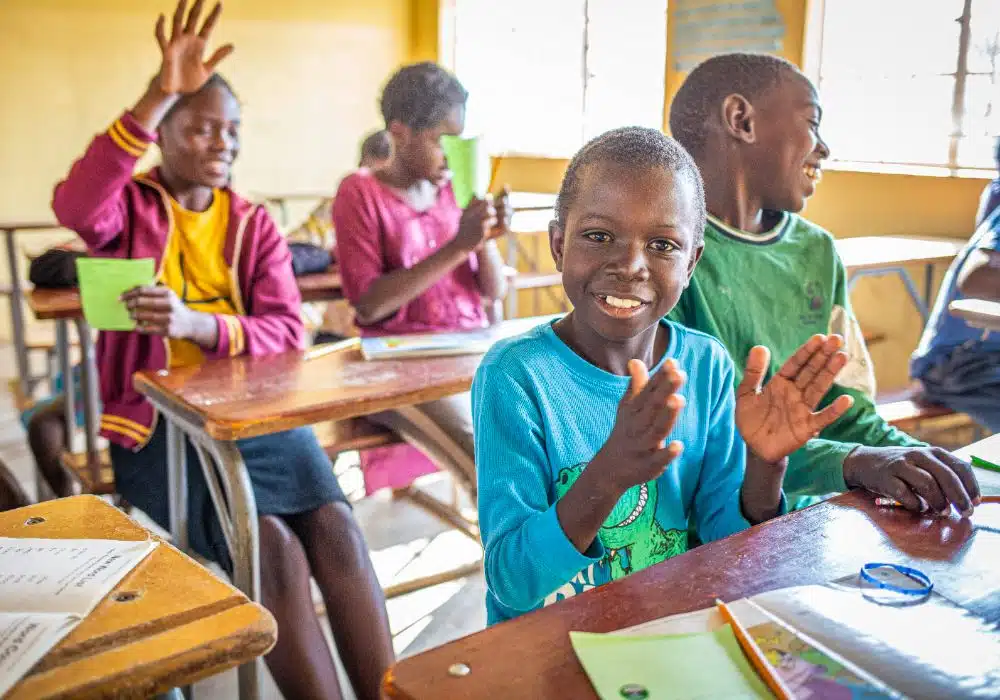
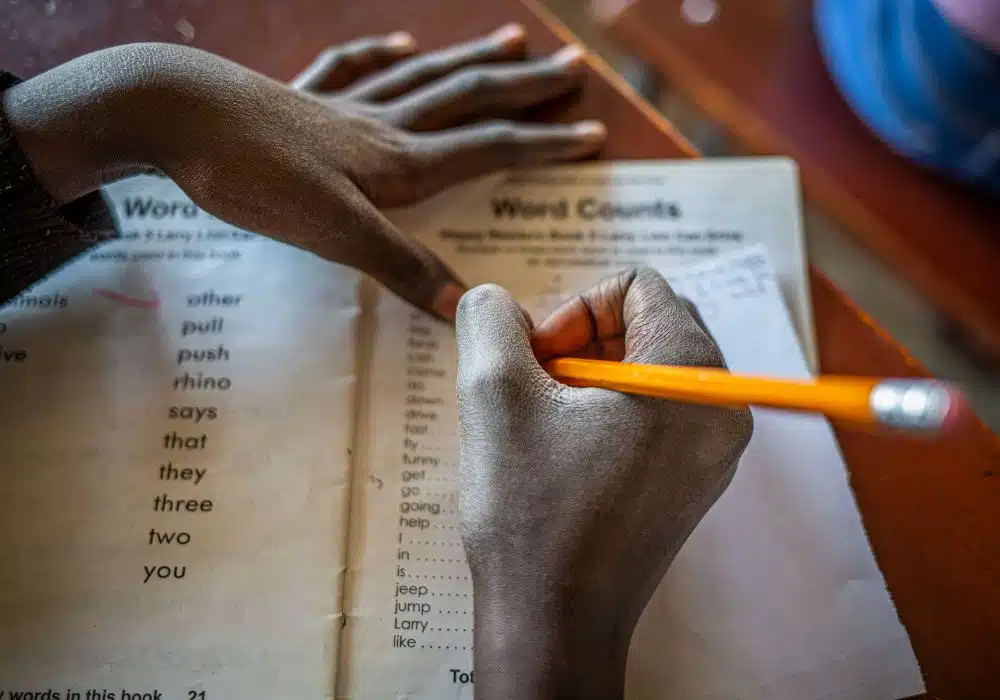
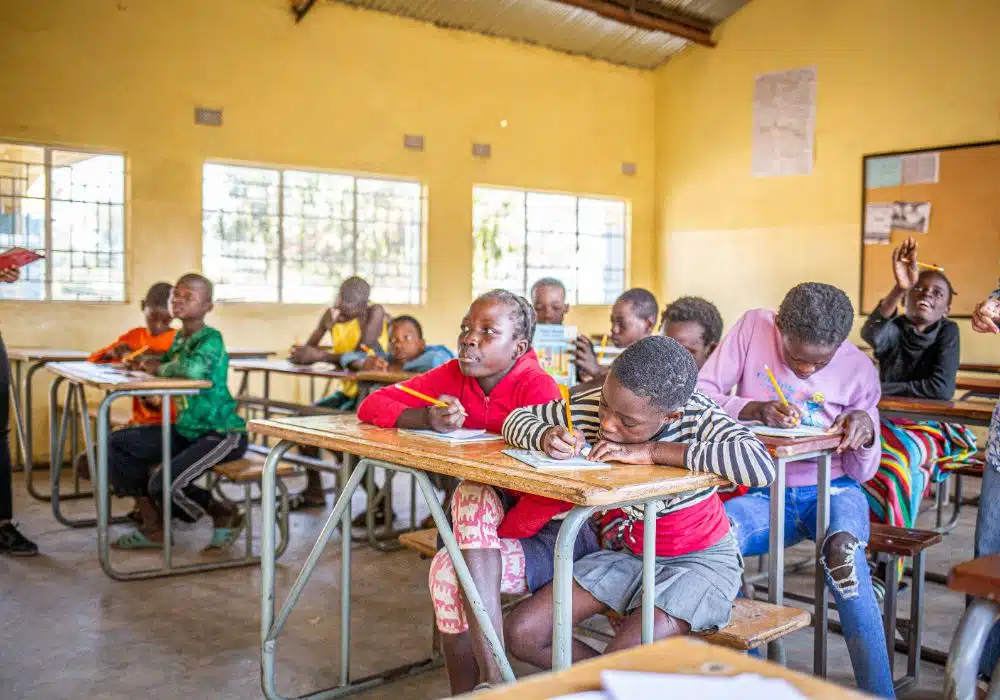
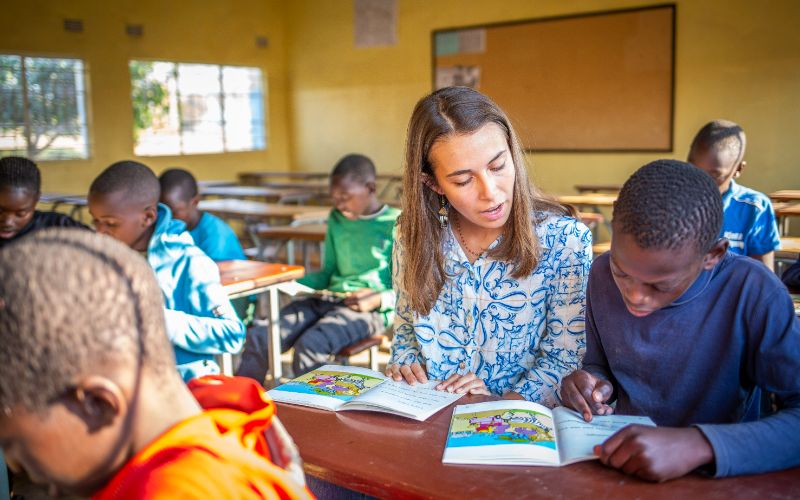
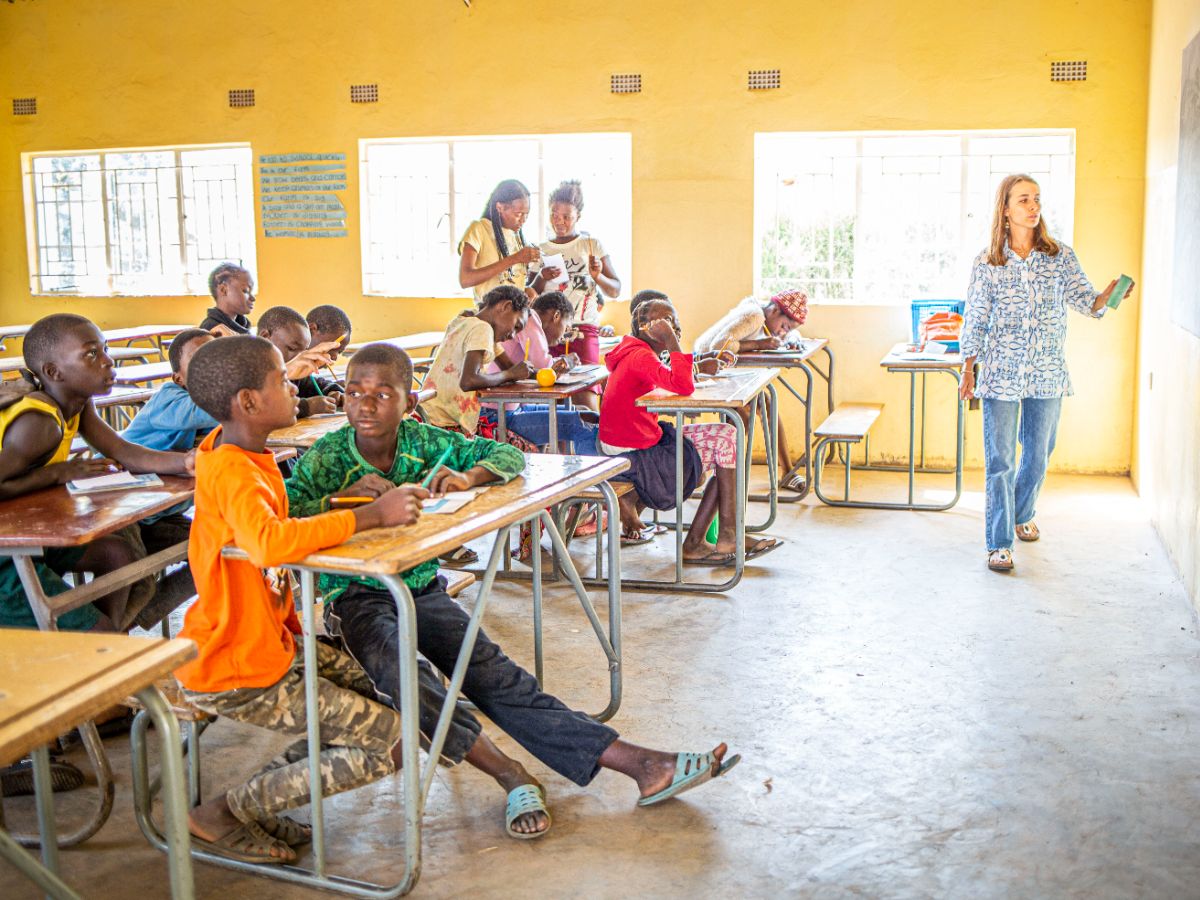
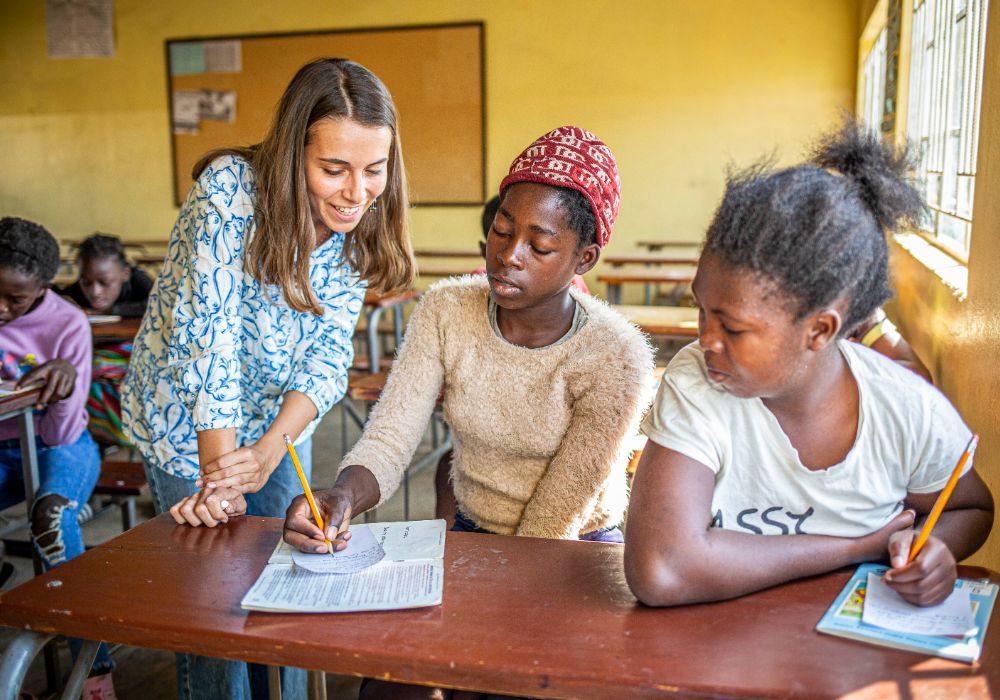
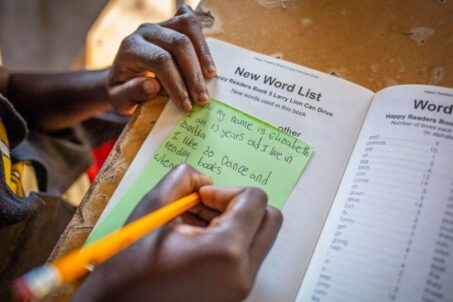
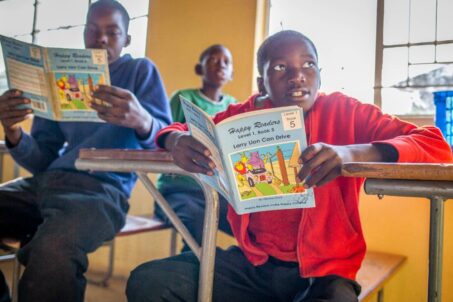
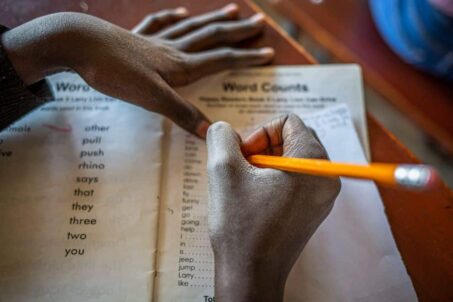
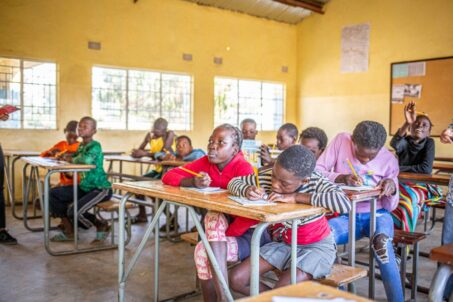
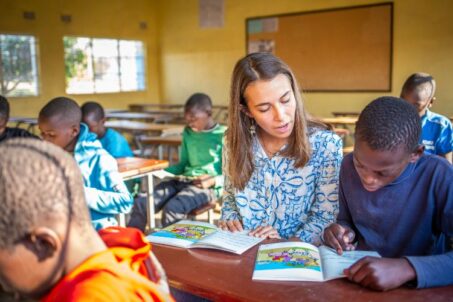
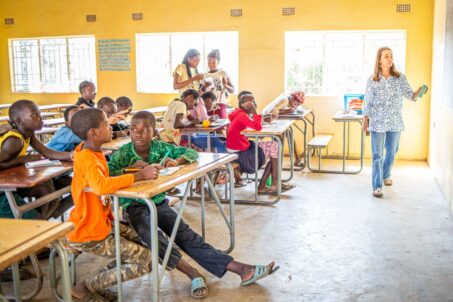
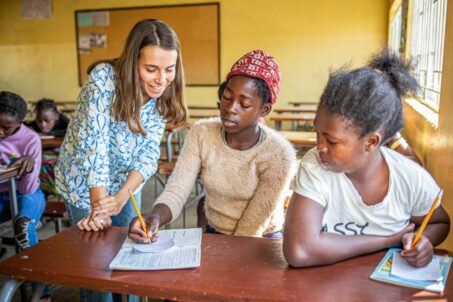
Each morning, you’ll be based at a local community school, working primarily with Grades 4 to 6. You may teach two to three lessons per day in Maths, English, or Science, either independently or alongside another volunteer. When not leading a lesson, you’ll assist local teachers by helping with small group support, answering questions, and encouraging students who need extra attention. The goal isn’t to replace teachers, but to strengthen learning by providing additional support. Your presence helps reduce classroom pressure and gives students more opportunities to engage with the material.

U.N. SUSTAINABLE DEVELOPMENT GOALS
Quality Education | No Poverty
Quality Education | No Poverty
COMMUNITY
Lesson Planning & Preparation
Each week includes preparation time where you’ll plan lessons aligned with the school curriculum. You’re encouraged to use creativity to make lessons interactive and engaging, incorporating games, group activities, and visual resources where possible. You’ll work with available materials provided on-site and collaborate with staff and fellow volunteers to develop ideas. This preparation time helps you grow in confidence and ensures lessons are structured, purposeful, and age-appropriate.
U.N. SUSTAINABLE DEVELOPMENT GOALS
Quality Education | No Poverty
Quality Education | No Poverty
COMMUNITY
Afternoon Community Involvement
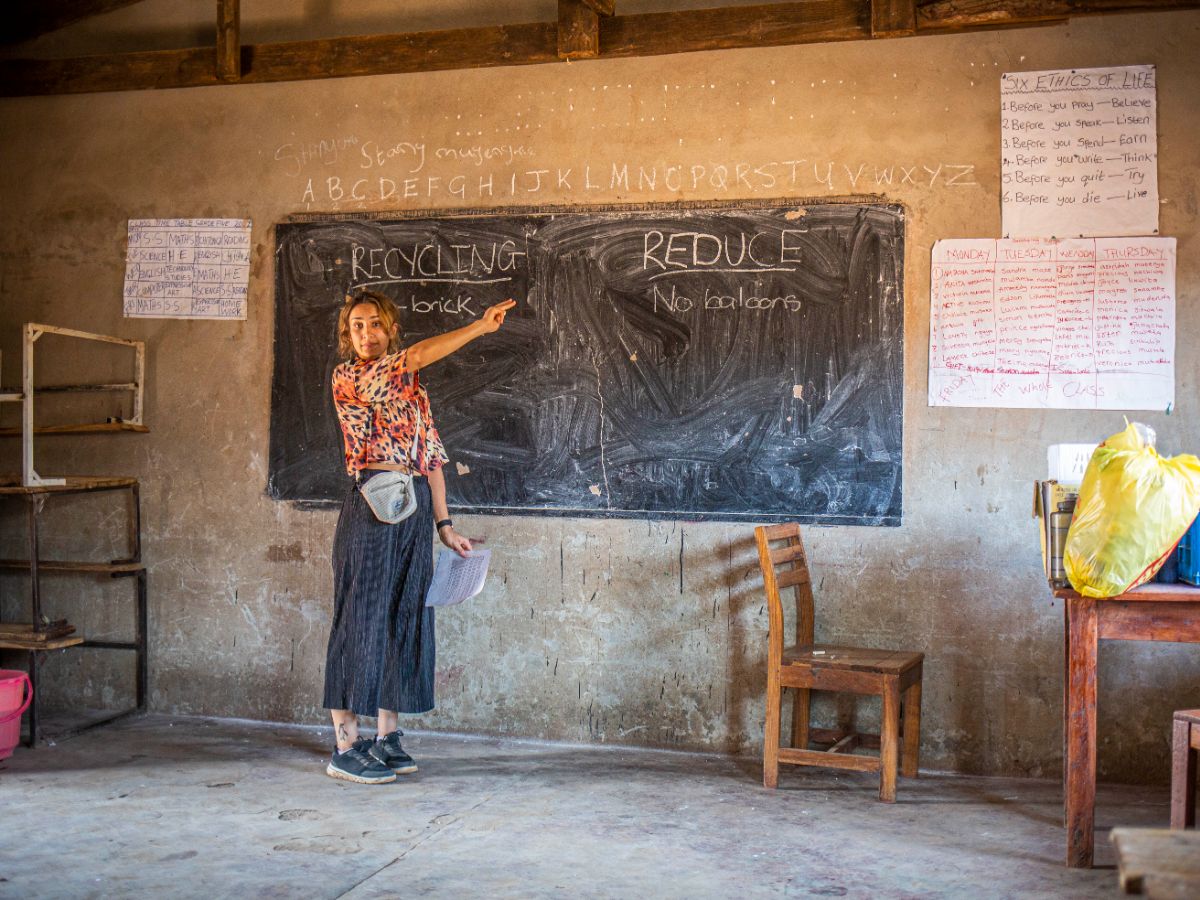
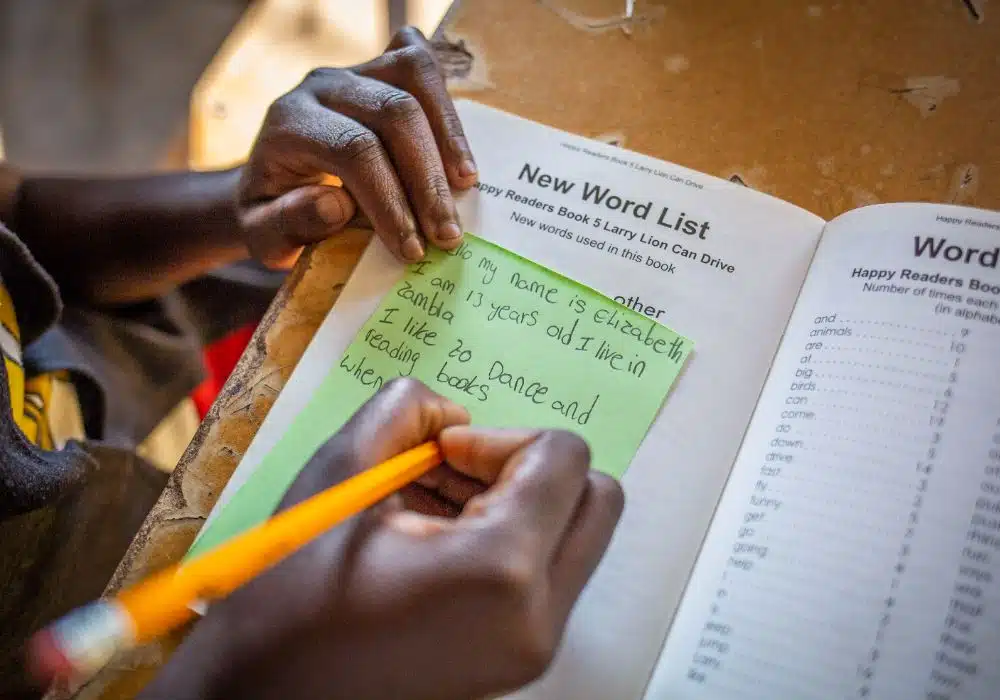
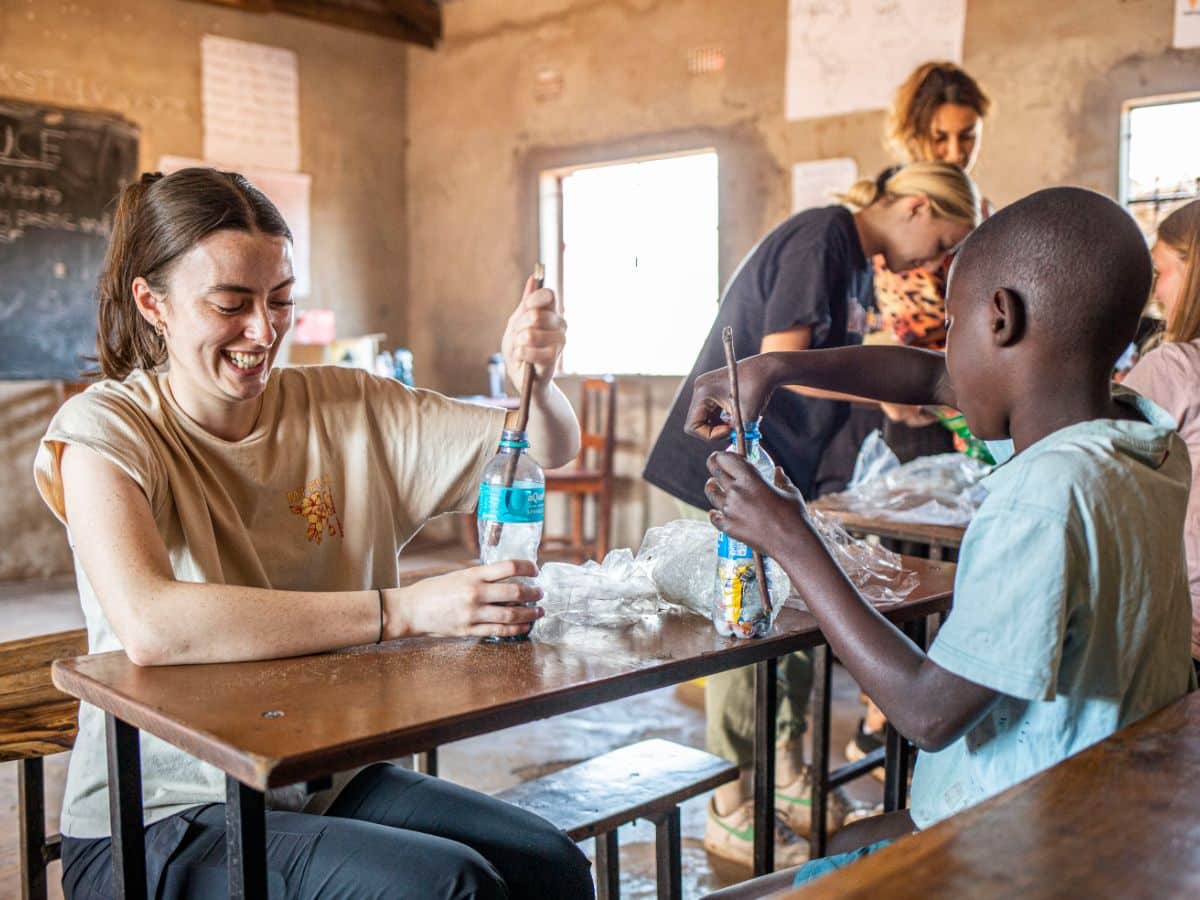
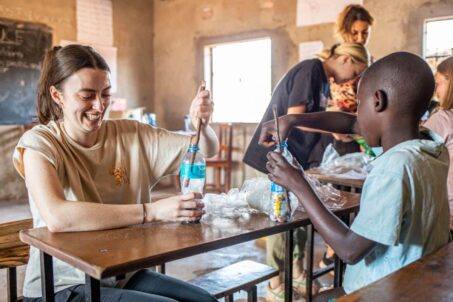
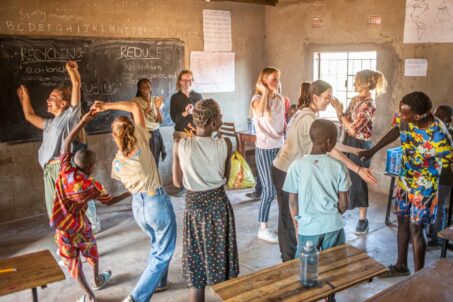
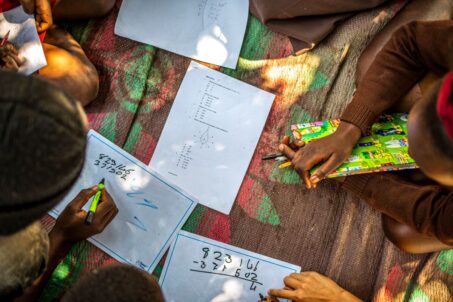
Afternoons offer a different dynamic. You may support after-school programs such as Reading Club, Math Club, Health Club, Eco Club, Sports, or creative activities. These sessions are often more informal and allow you to engage students through mentorship, games, and skill-building exercises. You’ll also have the opportunity to visit different schools or community spaces, broadening your understanding of education in Livingstone. Working alongside volunteers from other projects creates a lively, collaborative environment that keeps each day varied and rewarding.
U.N. SUSTAINABLE DEVELOPMENT GOALS
Quality Education | No Poverty
Quality Education | No Poverty
What You'll Take Home
Why This Project Suits You
If you’re interested in education, youth development, or simply want a meaningful classroom experience abroad, this teaching project in Zambia will be a great fit for you. It offers practical exposure in a supportive setting.
By the end of your stay, you’ll have:
Gained hands-on classroom teaching experience
Built confidence leading and supporting lessons
Developed lesson planning and classroom management skills
Strengthened cross-cultural communication abilities
Contributed to improved learning opportunities for students

Example Weekly Schedule

Monday

Breakfast
07:00 – 07:40
Morning
08:00 – 11:00 | Teaching Assistant
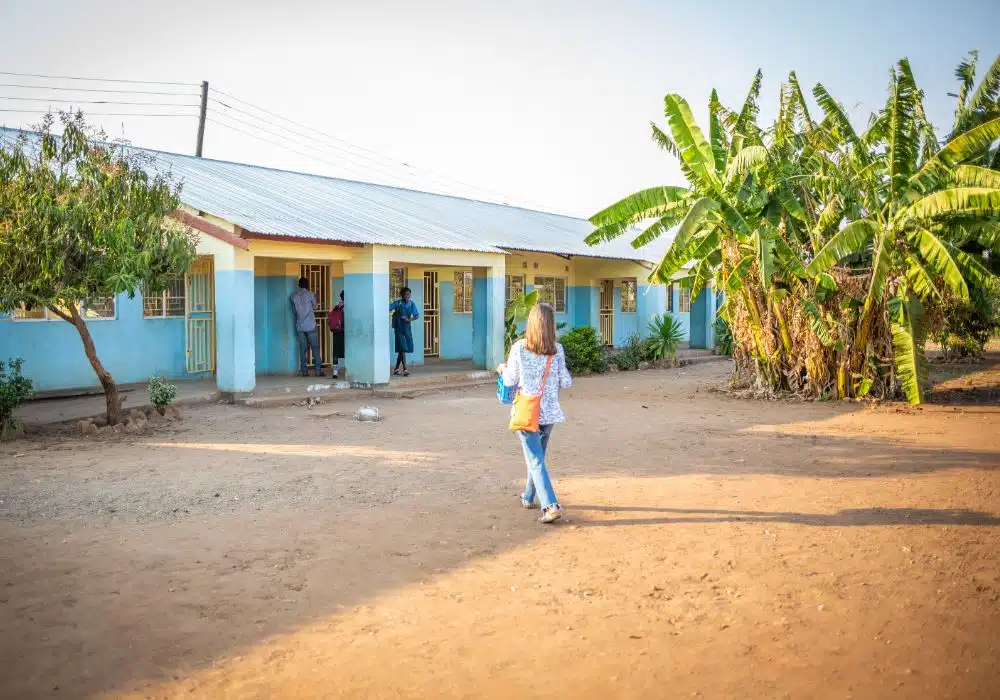
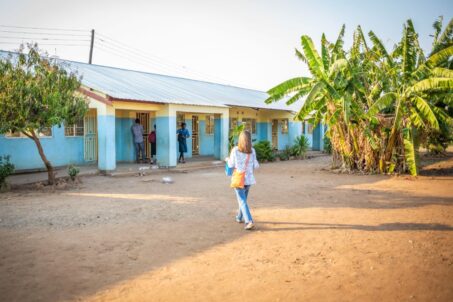
Volunteers assist in teaching students from grades 4 to 6, typically at Libuyu Community School. Several subjects may be taught, most commonly English, Math, or Science. Each volunteer is partnered with a school teacher to help grade papers and also has the opportunity to lead classes independently. A total of three lessons are taught each morning. Volunteers receive support in preparing the lessons, and translation assistance is available if needed.
11:00 – 12:00 | Back at the Volunteer House
Volunteers have free time to read a book, run errands such as going to the supermarket, or simply relax.

Lunch
12:00 – 12:30
Afternoon
12:30 – 13:00 | Preparation time
The volunteers prepare for the afternoon activities together with the staff, ensuring that everyone is fully prepared and understands their role for the afternoon. At times, they also help make peanut butter sandwiches and juice for the students.
13:00 – 16:00 | Community project
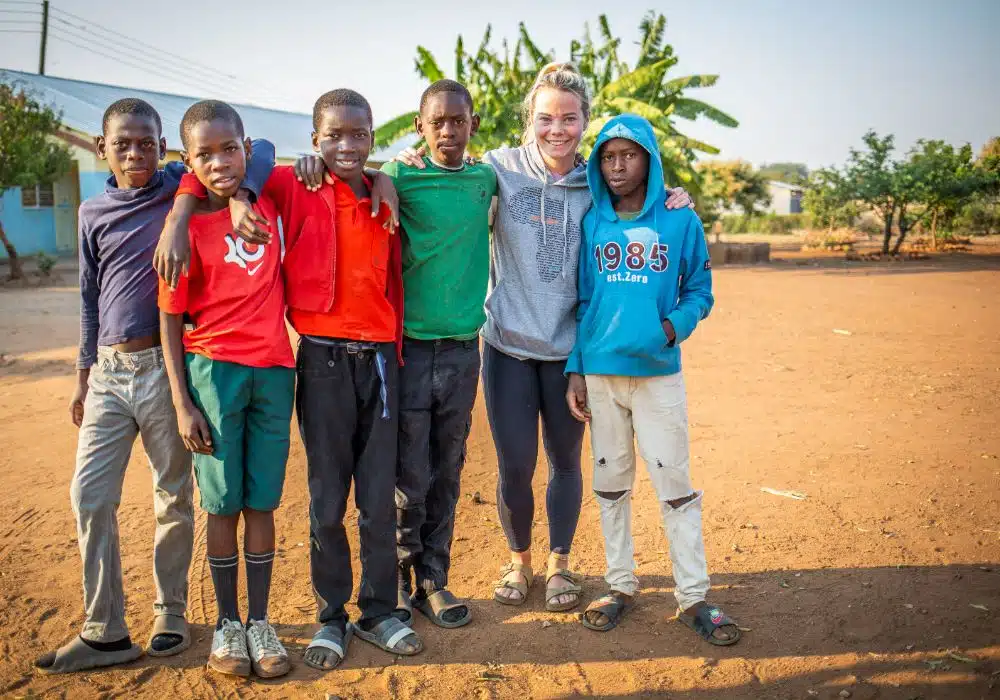
Each day, the volunteers visit a different community project. These may include Eco Club, Math Club, Reading Club, Girl Impact, Rugby, Health Club, and others. Teaching volunteers are mixed with those working in medical, education, or sports roles to create a balanced team.
16:30 – 18:00 | Back at the Volunteer House
A Monday meeting is held with the entire team to get to know one another, review the weekly plan, and share any additional announcements.

Dinner
18:00 – 18:30

Evening
18:30 – Onwards | Free night
Easy night for all the new volunteers.
Tuesday
Breakfast
07:00 – 07:40
Morning
08:00 – 11:00 | Teaching Assistant
Volunteers assist in teaching students from grades 4 to 6, typically at Libuyu Community School. Several subjects may be taught, most commonly English, Math, or Science. Each volunteer is partnered with a school teacher to help grade papers and also has the opportunity to lead classes independently. A total of three lessons are taught each morning. Volunteers receive support in preparing the lessons, and translation assistance is available if needed.
11:00 – 12:00 | Back at the Volunteer House
Volunteers receive an activities talk from Victoria Falls Backpackers, after which they can book their weekend activities.
Lunch
12:00 – 12:30
Afternoon
12:30 – 13:00 | Preparation time
The volunteers prepare for the afternoon activities together with the staff, ensuring that everyone is fully prepared and understands their role for the afternoon. At times, they also help make peanut butter sandwiches and juice for the students.
13:00 – 16:00 | Community project
Each day, the volunteers visit a different community project. These may include Eco Club, Math Club, Reading Club, Girl Impact, Rugby, Health Club, and others. Teaching volunteers are mixed with those working in medical, education, or sports roles to create a balanced team.
16:30 – 18:00 | Back at the Volunteer House
Free time for everyone until dinner.
Dinner
18:00 – 18:30
Evening
18:30 – Onwards | Movie night
Today the volunteers have a movie night in the volunteer house.
Wednesday
Breakfast
07:00 – 07:40
Morning
08:00 – 11:00 | Teaching assistant
Volunteers assist in teaching students from grades 4 to 6, typically at Libuyu Community School. Several subjects may be taught, most commonly English, Math, or Science. Each volunteer is partnered with a school teacher to help grade papers and also has the opportunity to lead classes independently. A total of three lessons are taught each morning. Volunteers receive support in preparing the lessons, and translation assistance is available if needed.
11:00 – 12:00 | Back at the Volunteer House
A language lesson is held, during which a staff member teaches the volunteers some basic Nyanja phrases.
Lunch
12:00 – 12:30
Afternoon
12:30 – 13:00 | Preparation time
The volunteers prepare for the afternoon activities together with the staff, ensuring that everyone is fully prepared and understands their role for the afternoon. At times, they also help make peanut butter sandwiches and juice for the students.
13:00 – 16:00 | Community project
Each day, the volunteers visit a different community project. These may include Eco Club, Math Club, Reading Club, Girl Impact, Rugby, Health Club, and others. Teaching volunteers are mixed with those working in medical, education, or sports roles to create a balanced team.
16:30 – 18:00 | Back at the Volunteer House
The volunteers are taken to the Maramba community to visit the local market. At the market, a wide variety of goods are sold, with the fabric stalls being a particular favorite. Volunteers can buy chitenge fabric, which local tailors can turn into skirts, bags, or other custom items.
Dinner
18:00 – 18:30
Evening
18:30 – Onwards | Games night
The team either play games in the volunteer house or we go to a pub quiz in town.
Thursday
Breakfast
07:00 – 07:40
Morning
08:00 – 11:00 | Teaching assistant
Volunteers assist in teaching students from grades 4 to 6, typically at Libuyu Community School. Several subjects may be taught, most commonly English, Math, or Science. Each volunteer is partnered with a school teacher to help grade papers and also has the opportunity to lead classes independently. A total of three lessons are taught each morning. Volunteers receive support in preparing the lessons, and translation assistance is available if needed.
11:00 – 12:00 | Back at the Volunteer House
Volunteers have free time to read a book, run errands such as going to the supermarket, or simply relax.
Lunch
12:00 – 12:30
Afternoon
12:30 – 13:00 | Preparation time
The volunteers prepare for the afternoon activities together with the staff, ensuring that everyone is fully prepared and understands their role for the afternoon. At times, they also help make peanut butter sandwiches and juice for the students.
13:00 – 16:00 | Village tour
Every volunteer has the opportunity to take part in the Village Tour, which is organized by the women of the local women’s group. This tour serves as an income-generating activity for the group while allowing volunteers to visit and experience two different communities around Livingstone. Volunteers also get to taste local snacks. If a volunteer has already participated in the Village Tour the previous week, they instead take part in a community project.
16:30 – 18:00 | Back at the Volunteer House
Dinner
18:00 – 18:30
Evening
18:30 – Onwards | Free night
Volunteers have free time to read a book, run errands such as going to the supermarket, or simply relax.
Friday
Breakfast
07:00 – 07:40
Morning
08:00 – 11:00 | Teaching assistant
Volunteers assist in teaching students from grades 4 to 6, typically at Libuyu Community School. Several subjects may be taught, most commonly English, Math, or Science. Each volunteer is partnered with a school teacher to help grade papers and also has the opportunity to lead classes independently. A total of three lessons are taught each morning. Volunteers receive support in preparing the lessons, and translation assistance is available if needed.
11:00 – 12:00 | Back at the Volunteer House
Volunteers have free time to read a book, run errands such as going to the supermarket, or simply relax.
12:00 – 12:30 | Friday check-in
Before lunch, a “Friday Check-In” is held. During this session, volunteers are asked for feedback on the week, informed of any maintenance in the house, updated on the weekend plans, and briefed on any new arrivals.
Lunch
12:30 – 13:30 | Cultural meal
Afternoon
13:30 – 16:00 | Cultural afternoon
Volunteers gather in the boma at the backpackers, where one or two staff members give a talk about Zambia. The session includes time for questions and answers, followed by a “mock wedding,” in which two volunteers are playfully married to demonstrate a traditional Zambian wedding. Afterward, everyone participates in drumming and dancing together. If a volunteer has already attended the cultural afternoon the previous week, they instead take part in a community project.
Dinner
18:00 – 18:30
Evening
18:30 | Free night
Volunteers have free time to read a book, play games, run errands, or simply relax.
Project Location
Livingstone, Zambia




Livingstone: Life on the Zambezi
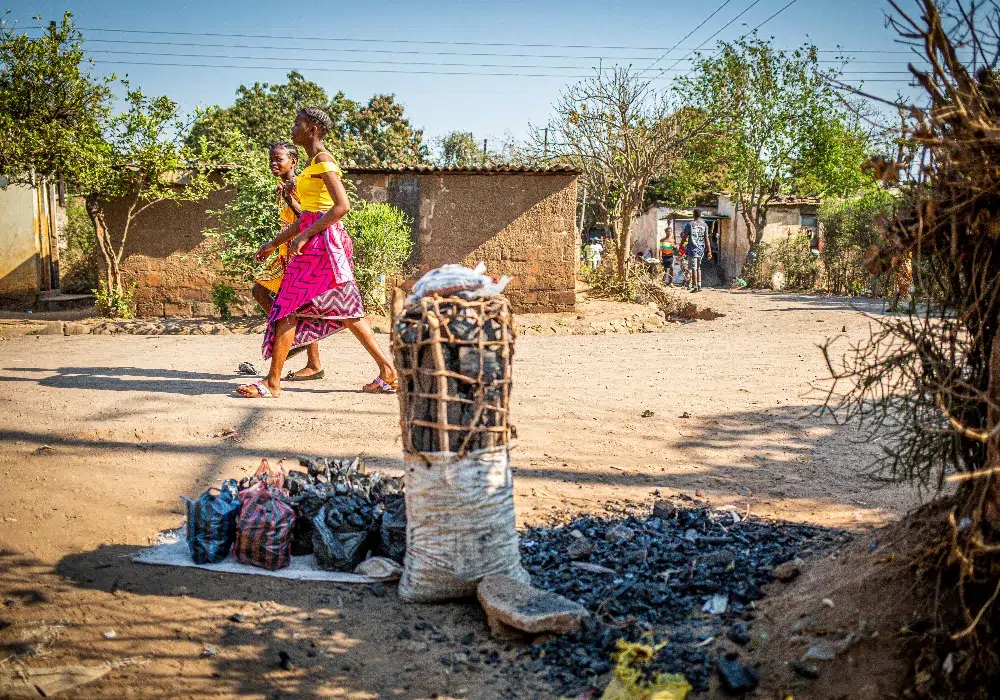
Set on the banks of the Zambezi River, and a short drive from the mighty Victoria Falls, Livingstone is a town that perfectly balances adventure, culture, and everyday life in Zambia. It has a warm, welcoming energy, with friendly locals, colorful markets, and a relaxed pace that makes it easy to settle in. Outside of your volunteer hours, there’s plenty to see and do. You can spot hippos and crocodiles while taking a boat trip on the Zambezi, walk the paths around impressive Victoria Falls, or go for a game drive in the local game reserve. For those seeking adventure, options include white-water rafting and bungee jumping.
Weekend activity options include:
- Visit the iconic Victoria Falls and take in its incredible power
- Take a sunset cruise on the Zambezi River, surrounded by hippos and crocodiles
- Explore Livingstone’s local markets, shops, and cafés
- Go on a day safari in nearby national parks to spot wildlife
- Try adventure activities like bungee jumping, zip-lining, or white-water rafting
Accommodation

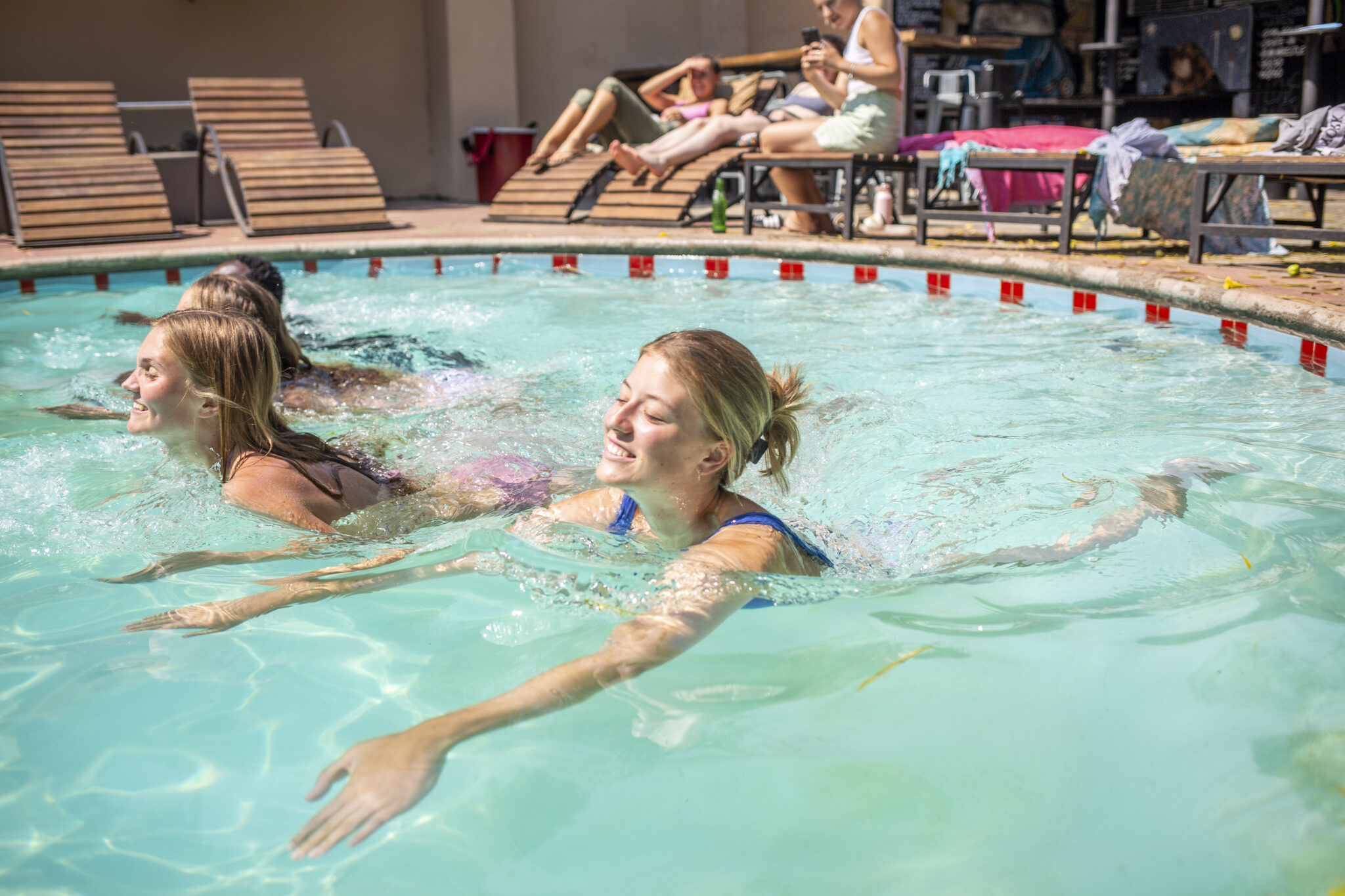


Your home during the project is a simple, comfortable volunteer house in Livingstone, designed to give you everything you need while staying immersed in local life. You’ll share rooms with other volunteers, each equipped with basic furnishings, fans, and secure storage. Bathrooms and showers are shared, and communal areas provide space to relax and connect.
There is also a pool for you to unwind during hot days. The house is within easy reach of the clinics, schools, and local amenities, so it’s easy to balance project work with downtime and explore the town at your own pace. Staying here also gives you the chance to experience daily life in Livingstone alongside other volunteers and local staff.
Meals are prepared on-site by our local team and give a taste of Zambian cuisine alongside familiar, international options. Expect wholesome breakfasts to start your day, filling lunches during project hours, and warm, home-cooked dinners in the evenings. Ingredients are fresh and locally sourced, and dietary needs can usually be accommodated with prior notice. Weekends offer the chance to try local cafés, markets, or cook together with fellow volunteers, making meals not just nourishing but also a social and cultural experience.
You’ll be supported by an experienced local team who oversee daily project activities, training, and volunteer wellbeing. They provide orientation on arrival, guide you through your volunteer work, and are available for advice and support throughout your stay. The team also helps you understand local culture and customs, ensuring your work is respectful, effective, and a positive experience for both you and the community.
Staying in Livingstone, you’ll have access to Wi-Fi at the volunteer house, though note speeds can vary. Local SIM cards with data are inexpensive and widely available, allowing you to stay connected while out in the community. Power outages can occasionally occur, which is part of life here, so having a charged power bank and some flexibility is useful.
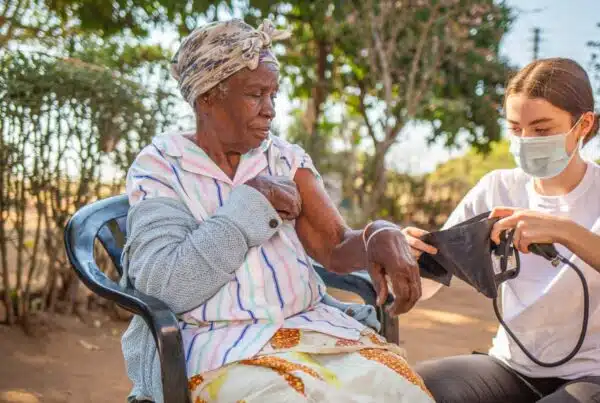
Volunteer safety is a top priority. You’ll receive a full induction covering health precautions, local customs, and emergency procedures. During clinic visits and home-based care, staff ensure activities are conducted safely and responsibly. The volunteer house is in a secure area, and staff are available 24/7 in case of emergencies. Simple precautions like staying hydrated, protecting yourself from the sun, and following local guidance will help ensure your experience is both safe and enjoyable.
Accommodation
Your home during the project is a simple, comfortable volunteer house in Livingstone, designed to give you everything you need while staying immersed in local life. You’ll share rooms with other volunteers, each equipped with basic furnishings, fans, and secure storage. Bathrooms and showers are shared, and communal areas provide space to relax and connect.
There is also a pool for you to unwind during hot days. The house is within easy reach of the clinics, schools, and local amenities, so it’s easy to balance project work with downtime and explore the town at your own pace. Staying here also gives you the chance to experience daily life in Livingstone alongside other volunteers and local staff.
The Meals
Meals are prepared on-site by our local team and give a taste of Zambian cuisine alongside familiar, international options. Expect wholesome breakfasts to start your day, filling lunches during project hours, and warm, home-cooked dinners in the evenings. Ingredients are fresh and locally sourced, and dietary needs can usually be accommodated with prior notice. Weekends offer the chance to try local cafés, markets, or cook together with fellow volunteers, making meals not just nourishing but also a social and cultural experience.
Support Team
You’ll be supported by an experienced local team who oversee daily project activities, training, and volunteer wellbeing. They provide orientation on arrival, guide you through your volunteer work, and are available for advice and support throughout your stay. The team also helps you understand local culture and customs, ensuring your work is respectful, effective, and a positive experience for both you and the community.
Safety
Volunteer safety is a top priority. You’ll receive a full induction covering health precautions, local customs, and emergency procedures. During clinic visits and home-based care, staff ensure activities are conducted safely and responsibly. The volunteer house is in a secure area, and staff are available 24/7 in case of emergencies. Simple precautions like staying hydrated, protecting yourself from the sun, and following local guidance will help ensure your experience is both safe and enjoyable.
Connectivity
Staying in Livingstone, you’ll have access to Wi-Fi at the volunteer house, though note speeds can vary. Local SIM cards with data are inexpensive and widely available, allowing you to stay connected while out in the community. Power outages can occasionally occur, which is part of life here, so having a charged power bank and some flexibility is useful.

Pricing
Rates
| Duration | Program Fee |
|---|---|
| 2 weeks | $1,950 ($975 per week) |
| 3 weeks | $2,800 ($934 per week) |
| 4 weeks | $3,650 ($913 per week) |
| 5 weeks | $4,500 ($900 per week) |
| 6 weeks | $5,350 ($892 per week) |
| 8 weeks | $7,050 ($882 per week) |
| 10 weeks | $8,750 ($875 per week) |
| 12 weeks | $10,450 ($871 per week) |
| 2 weeks | £1,560 (£780 per week) |
| 3 weeks | £2,240 (£747 per week) |
| 4 weeks | £2,920 (£730 per week) |
| 5 weeks | £3,600 (£720 per week) |
| 6 weeks | £4,280 (£714 per week) |
| 8 weeks | £5,640 (£705 per week) |
| 10 weeks | £7,000 (£700 per week) |
| 12 weeks | £8,360 (£697 per week) |
| 2 weeks | €1,794 (€897 per week) |
| 3 weeks | €2,576 (€859 per week) |
| 4 weeks | €3,358 (€840 per week) |
| 5 weeks | €4,140 (€828 per week) |
| 6 weeks | €4,922 (€821 per week) |
| 8 weeks | €6,486 (€811 per week) |
| 10 weeks | €8,050 (€805 per week) |
| 12 weeks | €9,614 (€802 per week) |
| 2 weeks | $2,886 ($1,443 per week) |
| 3 weeks | $4,144 ($1,382 per week) |
| 4 weeks | $5,402 ($1,351 per week) |
| 5 weeks | $6,660 ($1,332 per week) |
| 6 weeks | $7,918 ($1,320 per week) |
| 8 weeks | $10,434 ($1,305 per week) |
| 10 weeks | $12,950 ($1,295 per week) |
| 12 weeks | $15,466 ($1,289 per week) |
Inclusions
- Backpacker style accommodation with swimming pool
- Breakfast, lunch and dinner (Mon - Fri)
- Airport transfers on arrival and departure
- All project transport, equipment and resources
- Support from experienced local and international African Impact staff
- Full orientation for responsible project contribution
Exclusions
Price excludes flights, visas, insurance, weekend tours and personal expenses.
Requirements
- The minimum age to join this project is 18 years old
- The minimum stay for this project is 2 weeks
Flights & Arrivals
Arrive at Harry Mwanga Nkumbula (Livingstone) International Airport (LVI) on your Monday start date, landing between 9am and 6pm in order to make the complimentary transfer service. Look for the African Impact sign – a friendly face will be there to welcome you!
Award-winning Volunteer and Internship Projects Since 2004


Enquire now
Volunteering in Africa means travelling with purpose- joining meaningful community or conservation projects, where you pay to cover your stay and project costs, turning your trip into an immersive, impactful experience rather than a traditional holiday.
"*" indicates required fields
Project faqs
Do I Need Teaching Qualifications To Volunteer In Zambia?
While a teaching qualification is not mandatory for all our teaching programs, a genuine passion for education and a willingness to learn are essential. We offer comprehensive training and support throughout your experience, equipping you with the necessary skills to effectively engage with students in a classroom setting.
What Kind Of Support Will I Receive As A Volunteer Teacher?
You’ll be welcomed into a supportive and collaborative environment! Our experienced program coordinators and local teachers will provide ongoing guidance, mentorship, and training throughout your volunteer teaching placement. They’ll be readily available to answer your questions, address any challenges you may face, and ensure you have a fulfilling and enriching experience.
What Are The Living Arrangements Like For Volunteers In Zambia?
We offer comfortable and secure accommodation, allowing you to fully immerse yourself in the local community and culture. You’ll have the opportunity to connect with fellow volunteers and share your experiences in a supportive and friendly environment. Additionally, we provide meals and assist with transportation arrangements to ensure a smooth and enjoyable stay.
Our favourite weekend activities in Zambia
Africa’s adventure capital offers no shortage of ways to spend your weekends as a volunteer. There’s something for everyone – from the adrenaline junkie to culturally intrigued traveller.