
WELCOME TO AFRICA

Live at the edge of one of Africa’s greatest natural wonders – and leave a lasting impact in Zambia.

Zambia base areas

Livingstone Base

Livingstone, Zambia
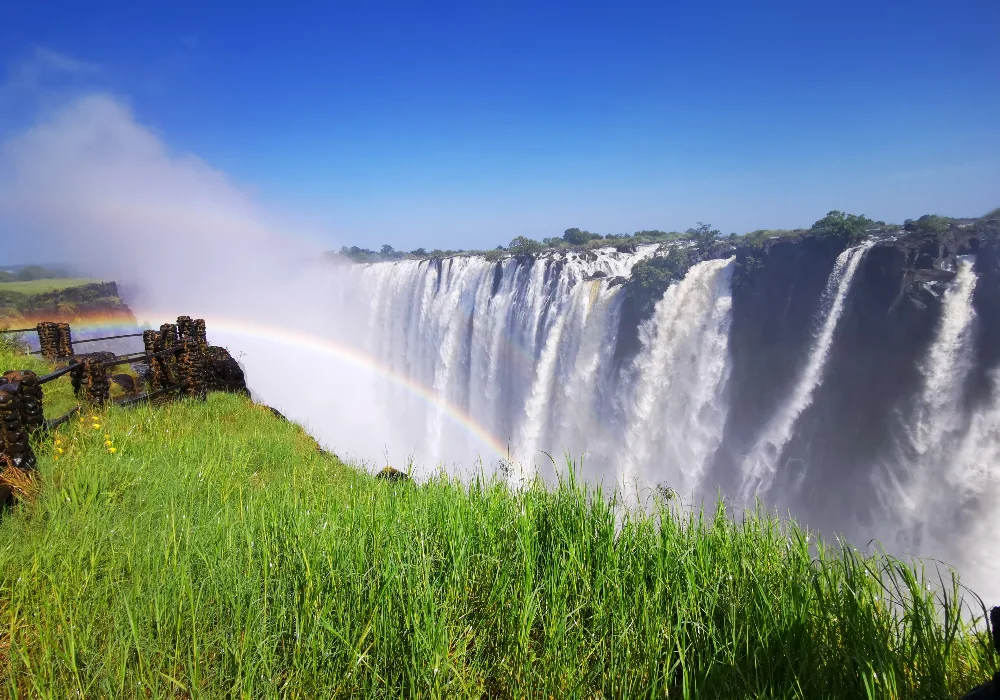
Victoria Falls in Zimbabwe.

Our Projects in Zambia

Zambia faqs

What is the history and culture of Livingstone?

Livingstone, Zambia’s backpacking epicentre, blends rich cultural heritage with modern tourism. The city showcases a unique fusion of traditional and contemporary Zambian customs, reflected in its vibrant art, music, and cuisine. Visitors can savour local delicacies like Mikopo, a popular roasted meat dish served with chilli, onions, and vegetables, often enjoyed in local bars.

The bustling markets offer a treasure trove of handcrafted pottery, artwork, and intricate basketry, providing meaningful souvenirs that support local artisans. For a quick local treat, try Vitumbuwa, a delicious fried dough snack. To delve deeper into Zambia’s history, the Livingstone Museum, the country’s oldest, offers fascinating insights into the nation’s past. This mix of experiences allows travellers to immerse themselves in Zambia’s cultural tapestry while enjoying the amenities of a popular tourist destination.

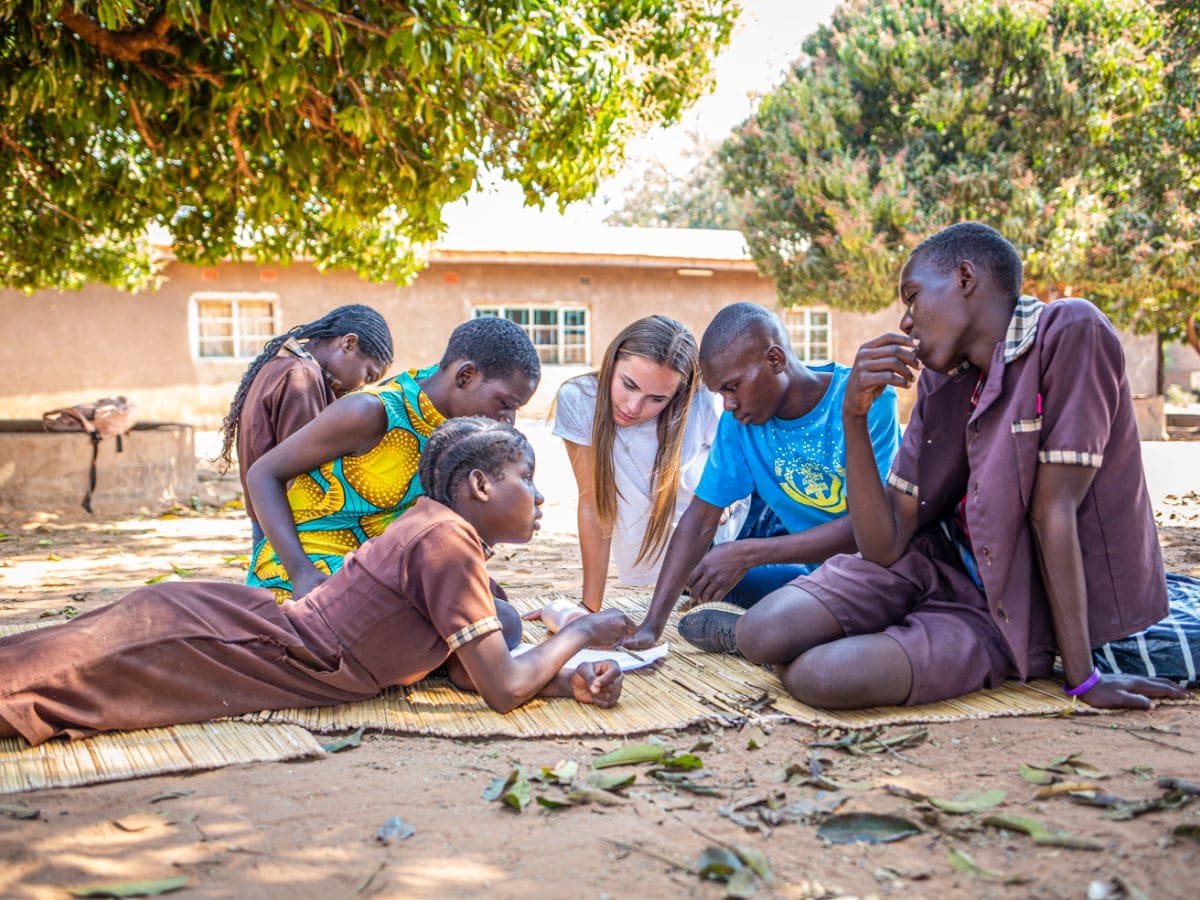
Is Zambia a safe place to volunteer?

Zambia is generally considered a safe destination for volunteers, though like any country, it comes with its own considerations. Here is a balanced overview:

Political stability: Zambia is known for its political stability compared to many African nations.

Crime: Petty theft can occur, especially in urban areas. Exercise caution with personal belongings.

Rural areas: Often safer, but may have limited infrastructure and medical facilities.

Wildlife areas: Take necessary precautions when working near wildlife.

Health concerns: Be aware of potential health risks such as malaria and ensure appropriate vaccinations.

Road safety: Road conditions can be poor, and driving standards may differ from what you are used to.

Cultural sensitivity: Respecting local customs can help avoid misunderstandings.

Natural hazards: Be aware of potential risks such as flooding during the rainy season.

Common sense: Use the same precautions you would in any unfamiliar place.

The majority of volunteers in Zambia have safe and rewarding experiences. The key is to be well prepared, vigilant, and to follow safety guidelines provided by the African Impact team.

Do African Impact volunteers in Zambia get paid?

The short answer is no. At African Impact, our mission is to provide the best international volunteer programmes in Africa that create genuine, long-term impact in local communities. While volunteer work in Zambia is unpaid, we firmly believe that meaningful travel experiences and sustainable outcomes go hand in hand.

Our approach to responsible volunteering focuses on positively transforming the lives of both volunteers and local communities. All volunteer activities are fully integrated with local initiatives, and we do not run projects unless the community not only supports them, but has ownership of the work being done.

Do I need a visa to volunteer in Zambia?

Yes, most international visitors need a visa to enter Zambia. Below is a concise overview of the visa process:

Visa requirement: All nationalities require a 30-day business visa to enter Zambia. Some nationalities can obtain this on arrival, and we provide the supporting documents required for the application.

Dual or multiple entry visa: If you plan to visit Zimbabwe or Botswana, you must ensure you obtain a dual or multiple entry visa.

Visas for longer stays: If you intend to stay in Zambia longer than 30 days, you will need to obtain a Temporary Employment Permit (TEP). This is strictly available to participants aged 21 and older who hold a university degree. You will receive the initial business visa on arrival, and our project team will assist you with the TEP process once you are on the ground.

Requirements: Your passport must be valid for at least six months beyond your planned stay, and proof of onward travel may be requested. For a TEP, you will need proof of your university degree, a certified copy of your passport, four colour passport photographs, and a debit or credit card for payment.

Fees: Visa fees vary depending on your visa type and nationality.

It is important to check the most up-to-date visa requirements with the Zambian embassy or consulate in your country, or with the official Zambian immigration authorities, as regulations can change.

I want to volunteer in Zambia. Where do I sign up?

Browse the African Impact volunteer programmes in Zambia listed above and compare the available options to find the project that best aligns with your interests and goals. Once you have chosen a programme, visit the individual project page for step-by-step guidance on how to apply.

All the Logistics

For planning your trip to Zanzibar

A woman strolls by a large pile of firewood in a rural setting.

Accommodation

Communication

Getting There

Visas & Insurance

Safety

Our favourite weekend activities in Zambia

Make the most of your weekends in Africa’s adventure capital. From visiting Victoria Falls and cruising the Zambezi to wildlife encounters and adrenaline-filled activities, Livingstone offers unforgettable ways to explore, unwind and recharge.

Your impact in Zambia

Stronger communities, brighter futures