University Marine Programs in Zanzibar

Marine Conservation:
faculty-led & study abroad program

Program Structure

Bring your students to Zanzibar for marine conservation fieldwork they won’t get in a lecture hall. Since 2007, our marine conservation base in Jambiani has worked inside the Menai Bay Conservation Area, and the scientific program is supported by Dr. Narriman Jiddawi, a marine biologist and Pew Fellow in Marine Conservation. We bring more than two decades of experience running structured group programs across Africa, and we build each one around your faculty’s specific goals, whether that’s a short faculty-led field course or a longer study abroad placement.

Learning Components

From first conversation to Livingstone

This is a collaborative planning process, not an off-the-shelf itinerary. Your faculty brings the academic purpose; our Livingstone team brings local context and relationships.

1   Start with your faculty goals

Tell us what your cohort is studying, the learning outcomes you are working toward, and the context your students need.

2  Shape the program together

We work with faculty and local partners to develop a responsible structure around medical, community, and reflective learning.

3  Prepare for Livingstone

Once the program is agreed, our team supports the group with local coordination and practical preparation for arrival.
Custom programs, built
with local perspective.

A program designed
around your course

We design an integrated international program alongside your faculty, connecting medical and community learning in Zambia with your syllabus, intended outcomes, and cohort needs.

Program priorities are developed through conversation with your academic team.

Activities are shaped with local healthcare and community partners.

Students consider health beyond a single setting, including the wider factors that influence care.

Faculty can connect the Livingstone experience back to course themes and learning goals.

Our team supports practical planning and delivery on the ground.

An illustrative weekly rhythm

The pattern below shows how a week might balance different modes of learning. It is illustrative, not a fixed schedule: the final plan is shaped with faculty and local partners.

Learn in context

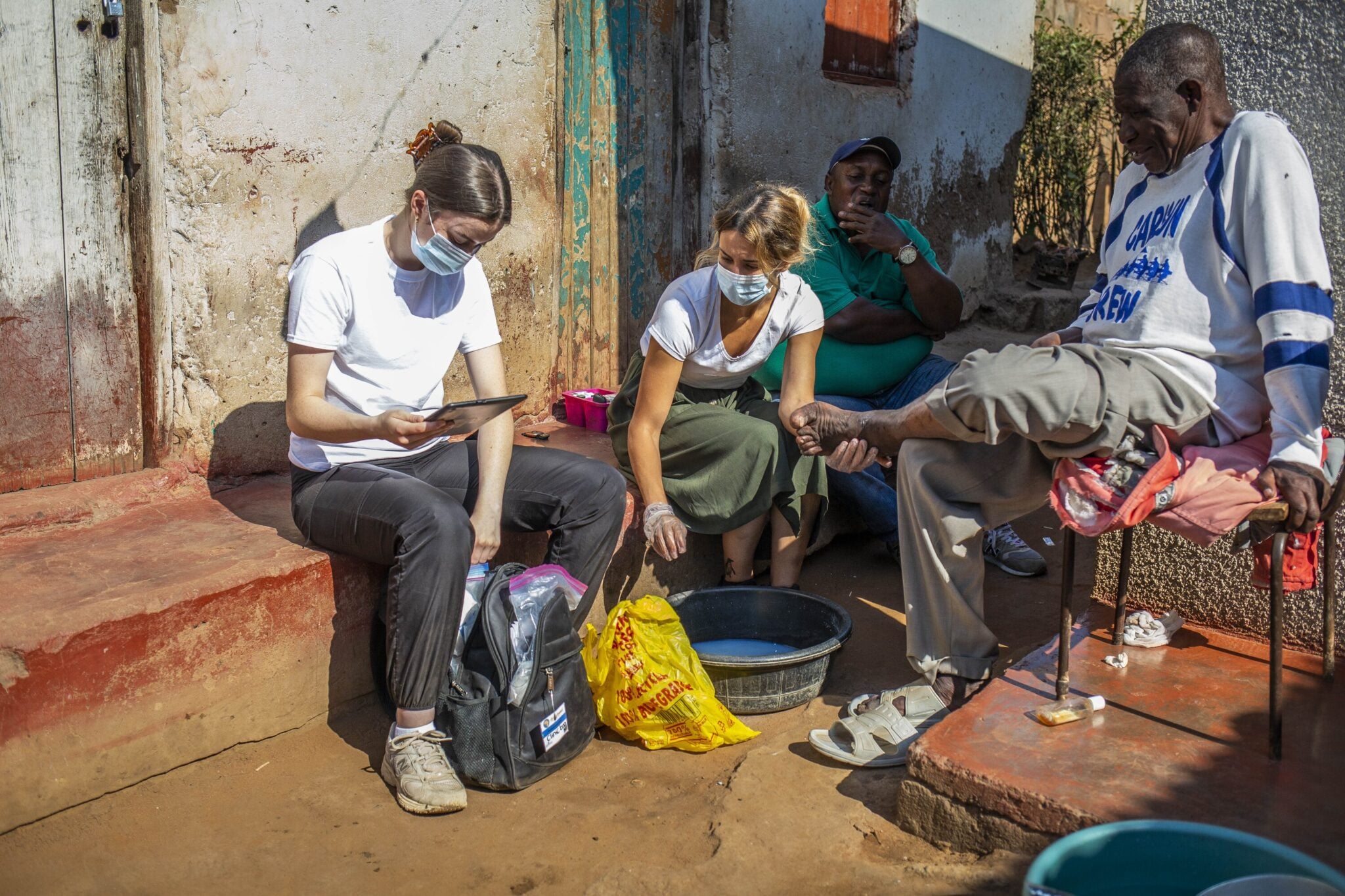
Explore healthcare delivery through locally guided observation, conversation, and community-based learning.
Connect the perspectives

Bring together faculty teaching, local expertise, and the questions students encounter on the ground.
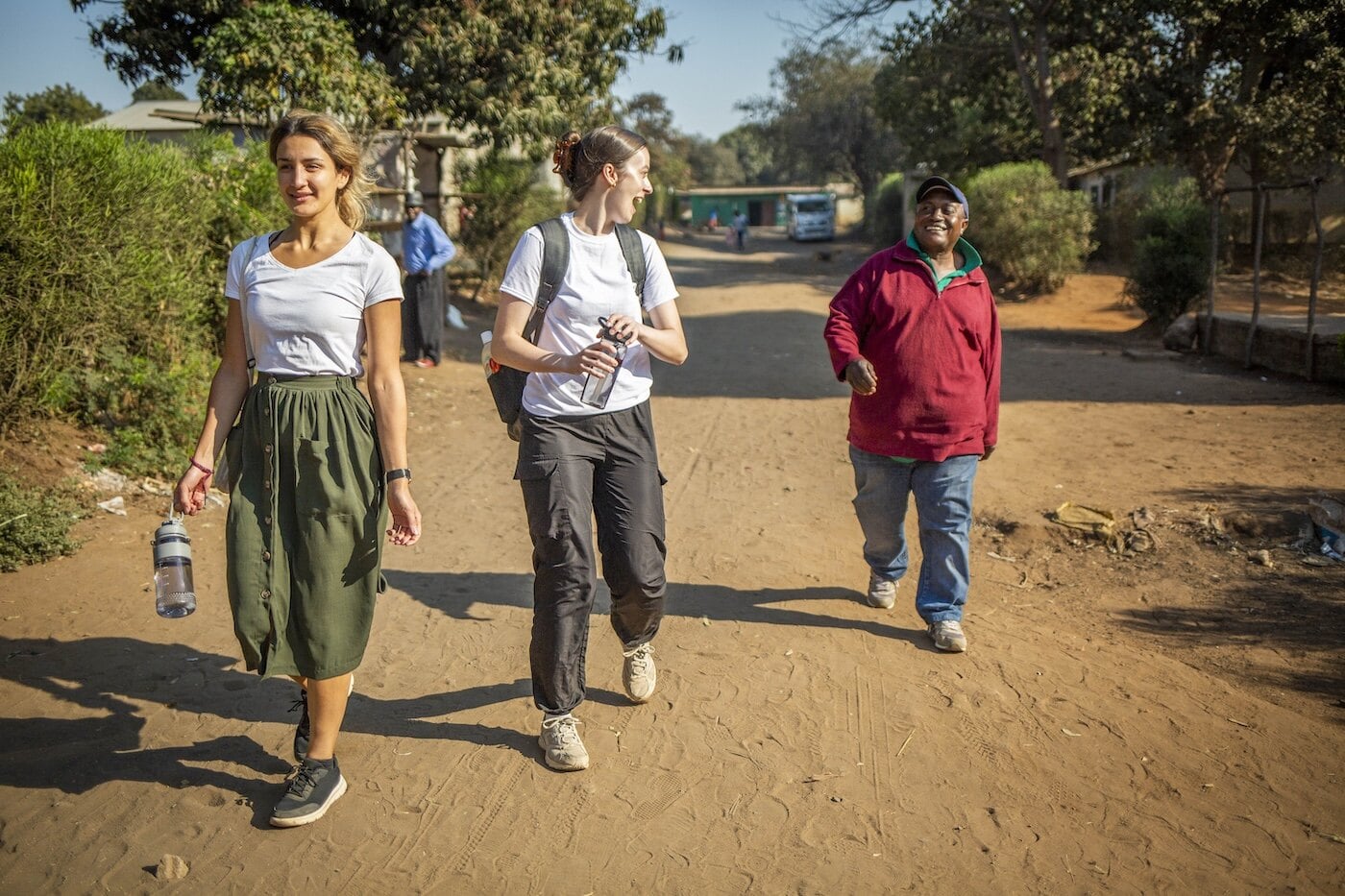
Reflect and integrate

Create space for facilitated discussion, academic reflection, and connection back to the cohort’s course of study.
A Typical Week

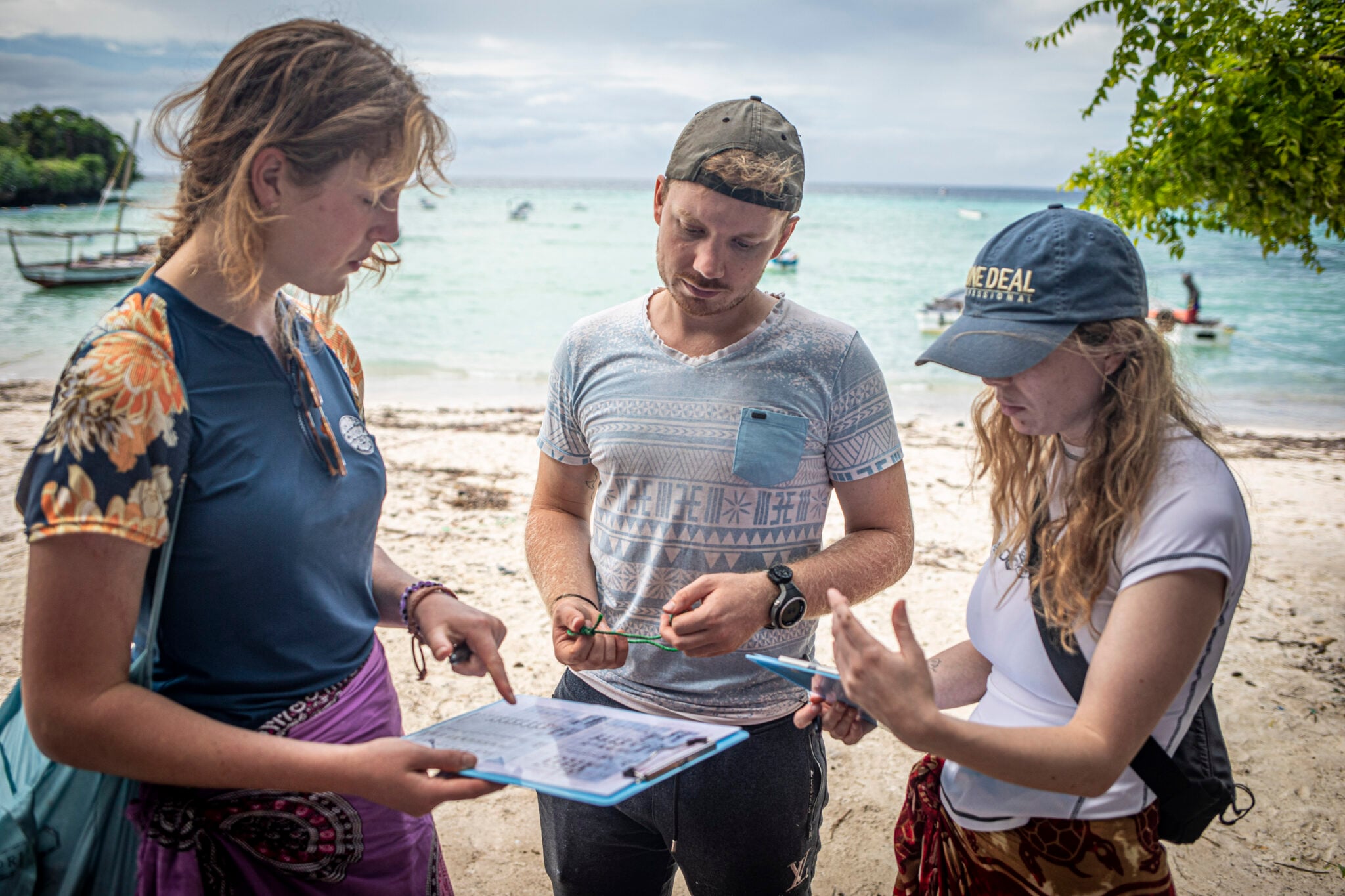
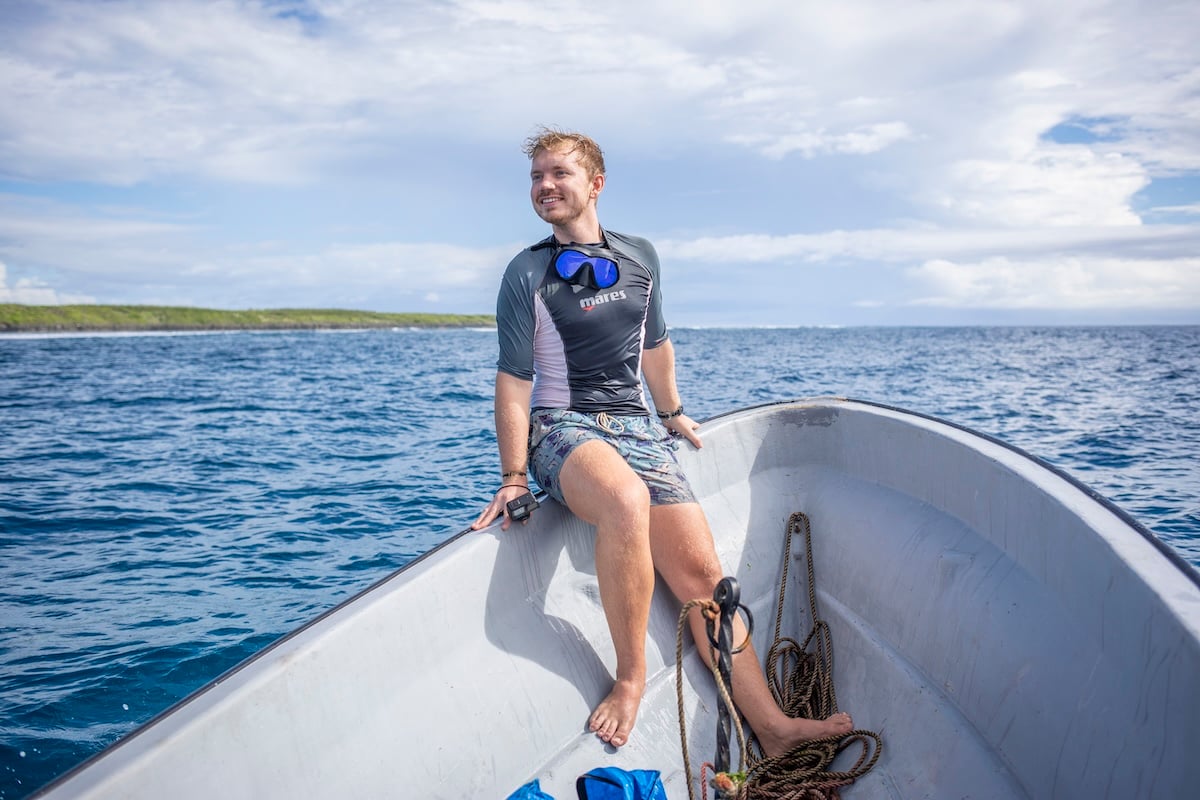
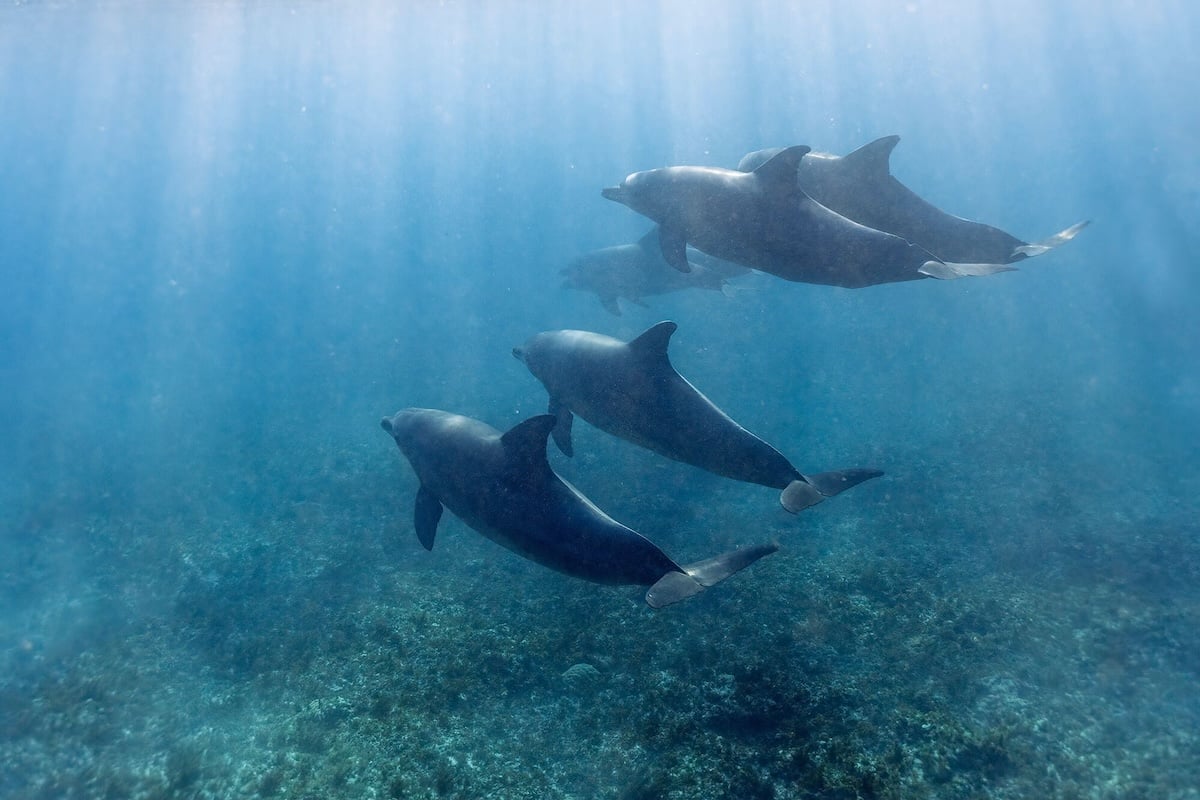
Days start early and on the water. Mornings are spent out of Kizimkazi monitoring dolphin pods and recording data on behavior, movement, and interactions with tourist boats, with coral reef and fish market observation worked in through the week. Afternoons shift to data entry and analysis, community and conservation education sessions, and ethical tourism outreach with local boat operators. Evenings and weekends leave room for cultural exchange, from a Jambiani village tour to a Maasai culture presentation to free time exploring the island.

Focus areas

Marine Biology
Environmental Science

Conservation Policy
Responsible Tourism

Bring your faculty goals to Zanzibar

Share your course context, cohort needs, and learning priorities. We can begin the conversation around a responsible, locally informed program.

Enquire Now

"*" indicates required fields

DD slash MM slash YYYY

STEP 2 - When would you like to join us?

Give us an idea of your travel plans - choose ‘I’m not sure yet’ if you aren't sure about your dates.

STEP 3 - How long do you want to stay for?

Please note you are not required to pay this amount at this stage.
Please tick the box to agree to communicate with us:*
By clicking submit below, you have agreed to our Privacy Policy and Terms and Conditions.
SMS & WhatsApp Opt-In*
By opting in to SMS and WhatsApp communication, you give consent to receive text messages from African Impact that will assist in booking your placement. You can opt-out at any time by texting STOP.