



The field work, the baseline data, and the long timeline of ecological change
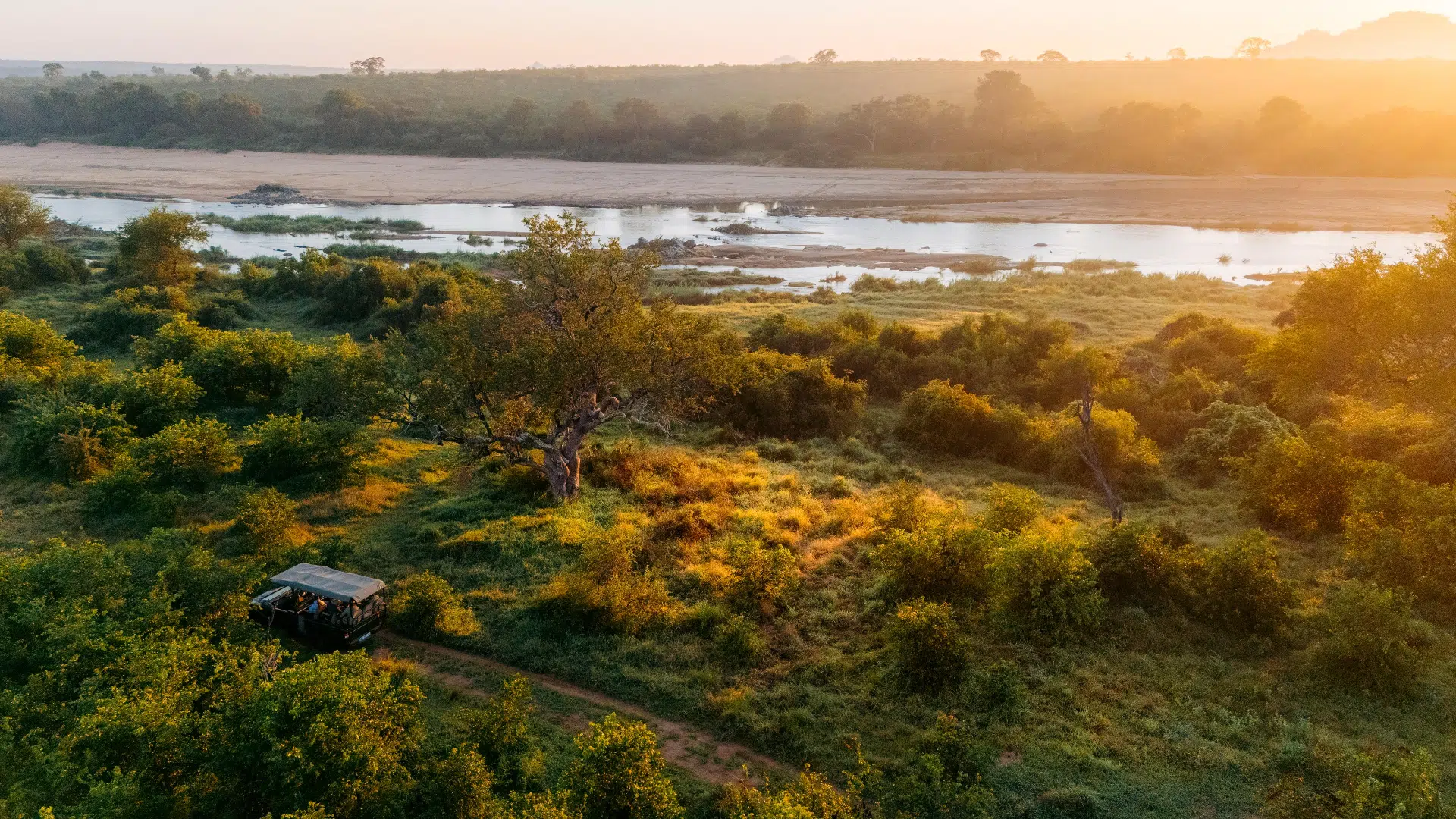
At Mthimkulu Game Reserve, part of the Greater Kruger National Park, we run a wildlife conservation and ecological restoration program working to bring the land back to where it once thrived. Anna Knowles is one of the scientists leading that work. We spoke to her about how the project actually works on the ground and what the team is working toward.
Images by Linda Hermans
On the ground at Mthimkulu
“We have a multi-faceted approach that combines practical conservation work with ongoing monitoring and research. This includes habitat restoration and maintenance, snare removal, camera trapping, wildlife and vegetation monitoring, bird surveys, elephant impact assessments, carnivore distribution monitoring and using different technologies available to us to understand what is happening across the reserve.
The different monitoring programmes are also connected. We aren’t just collecting data for the sake of having data, we are trying to build a better understanding of the ecosystem, identify where the pressures are and use that information to guide where and how we focus our conservation efforts. As the programme develops the aim is to build a much clearer picture of the reserve and track how it changes over time.”

Building the baseline for future monitoring
“Mthimkulu has quite a long and complicated history so it is important to put our work into that context. We have only been working on the reserve since May 2026, which is a very short period of time when you’re looking at ecological processes that can take years or even decades to understand properly. One of our first priorities has been establishing a reliable baseline. We are documenting wildlife presence and distribution, vegetation condition, elephant impacts, grass communities, bush encroachment, habitat restoration, and other indicators of ecosystem health. This gives us a starting point from which we can begin to measure change.
We’re also very conscious that you can’t really measure ecological change over just a few months. We need to be looking across different seasons and ideally, over several years before we can start identifying meaningful trends. And there’s the human influence to consider, both historically and currently, because that has an impact on how the landscape looks and how wildlife uses it.
At this stage we are building the systems and baseline data that will allow us to measure recovery properly. Over time, that could include changes in vegetation structure and composition, wildlife distribution and species presence, habitat condition, elephant impacts, and reductions in pressures such as snares or bush encroachment. The goal is to understand those changes in context rather than looking at any single measurement in isolation.”

The long timeline of restoration
“Ecological restoration is measured in years and often decades rather than months. You can’t expect a few months of intervention to reverse years of ecological pressure, particularly in a system with a long and complicated history. That said, a lot has happened in the few short months we have been here. A lot of the work at this stage has been about building the foundations for the programme. We have had to develop monitoring protocols, establish new projects, test different methodologies, work out what is practical in the field, and refine things through trial and error. That takes time and consideration if you want the data you’re collecting to actually be useful in the long term.
We are still in that foundation stage, but we’re already moving beyond simply collecting observations. We are starting to build datasets that can show patterns and eventually inform management decisions. So while the ecological changes we’re looking for will take time there has already been a lot of progress in establishing the systems and processes needed to measure and support that change properly.”

Enjoying the challenge
“For me personally, I have always been drawn to data-driven research and field work. I enjoy identifying what the problems are, understanding why they are happening, and then using evidence to work out how we can improve things. Conservation is not always linear, and you don’t always see immediate positive results, but that is also what makes it meaningful. I also really enjoy the collaborative side of the work. There are so many different people and organisations involved in conservation, and I like being part of that because collectively we can achieve more than we could working on our own.”
Join the work!
Volunteers on our wildlife conservation and ecological research programs work directly alongside Anna’s team: setting and checking camera traps, tracking wildlife sightings, monitoring vegetation and habitat condition, and taking part in the snare removal and bush encroachment work described above. We create customised programs for university faculties and high schools (including IB CAS programs), and we also host individual volunteers and interns. We welcome your enquiries and applications!


