



How Responsible Tourism Helps Both Dolphins and Local Livelihoods
Amour Hassan Ali is a Marine Coordinator on our Zanzibar team and a Marine Sciences graduate of the University of Dar es Salaam’s Institute of Marine Sciences. During his studies, he interned with Zanzibar’s Department of Fisheries and Marine Resource Conservation, where patrols and monitoring in marine conservation areas gave him a close look at how tourism and marine protection interact. Dolphins are a major draw for visitors to Zanzibar, which means how boats behave around them matters. In this conversation, Amour explains what separates an ethical dolphin tour from one that isn’t, and how responsible tourism can benefit local operators and the wider community as well as the dolphins.
Images by Jens Söderlund and Anna Lusty

What’s the practical difference between an ethical dolphin tour operation and one that isn’t?
The practical difference is how the tour operator manages the interaction with the dolphins. An ethical operation keeps a safe distance, does not chase or drive directly over the dolphins, avoids high-speed driving near them, and limits disturbance from boats and tourists. If tourists enter the water, they should do so calmly and at a safe distance, allowing the dolphins to decide whether or not to approach.An unethical operation may involve chasing dolphins, getting too close, driving at high speed or making excessive noise around them, surrounding them with multiple boats, or forcing an interaction when the dolphins are trying to move away.
Another important difference is the responsibility of the operator to educate and guide tourists. Many visitors may not understand how their behavior can affect dolphins or what responsible dolphin watching involves. Therefore, operators should provide clear instructions before and during the tour, explaining how to behave around the dolphins, when to enter the water, how to maintain an appropriate distance, and when to leave the animals undisturbed. It is not enough to expect tourists to know these rules themselves; the operator has a responsibility to manage the interaction and ensure that visitors follow sustainable practices.
Ultimately, an ethical dolphin tour should put the welfare and natural behavior of the dolphins first, while still providing tourists with a meaningful experience. The goal should be to observe and appreciate the dolphins without changing their behavior or creating unnecessary stress or disturbance.

How does responsible tourism benefit local operators and the local economy, beyond protecting the dolphins, and have you seen local examples of that shift paying off?
Responsible dolphin tourism can benefit local operators and the wider community not simply because tourists spend money, but because responsible practices can help create a more sustainable tourism industry over the long term.For example, responsible operators are more likely to focus on quality experiences rather than simply trying to get as many tourists as possible onto a boat. This can create opportunities for local boat owners and guides to build a reputation for responsible dolphin watching, which can attract visitors who specifically value ethical and environmentally conscious tourism. In the long term, this can help local operators maintain their income while reducing pressure on the dolphins.
Another important benefit is that responsible tourism creates an economic reason to protect dolphins and the marine environment. If local communities and operators see that healthy dolphin populations and a good reputation for responsible tourism bring visitors and income year after year, conservation becomes directly connected to livelihoods. This can encourage operators and community members to support better practices, such as avoiding chasing dolphins, reducing boat disturbance, educating tourists, and reporting harmful activities.
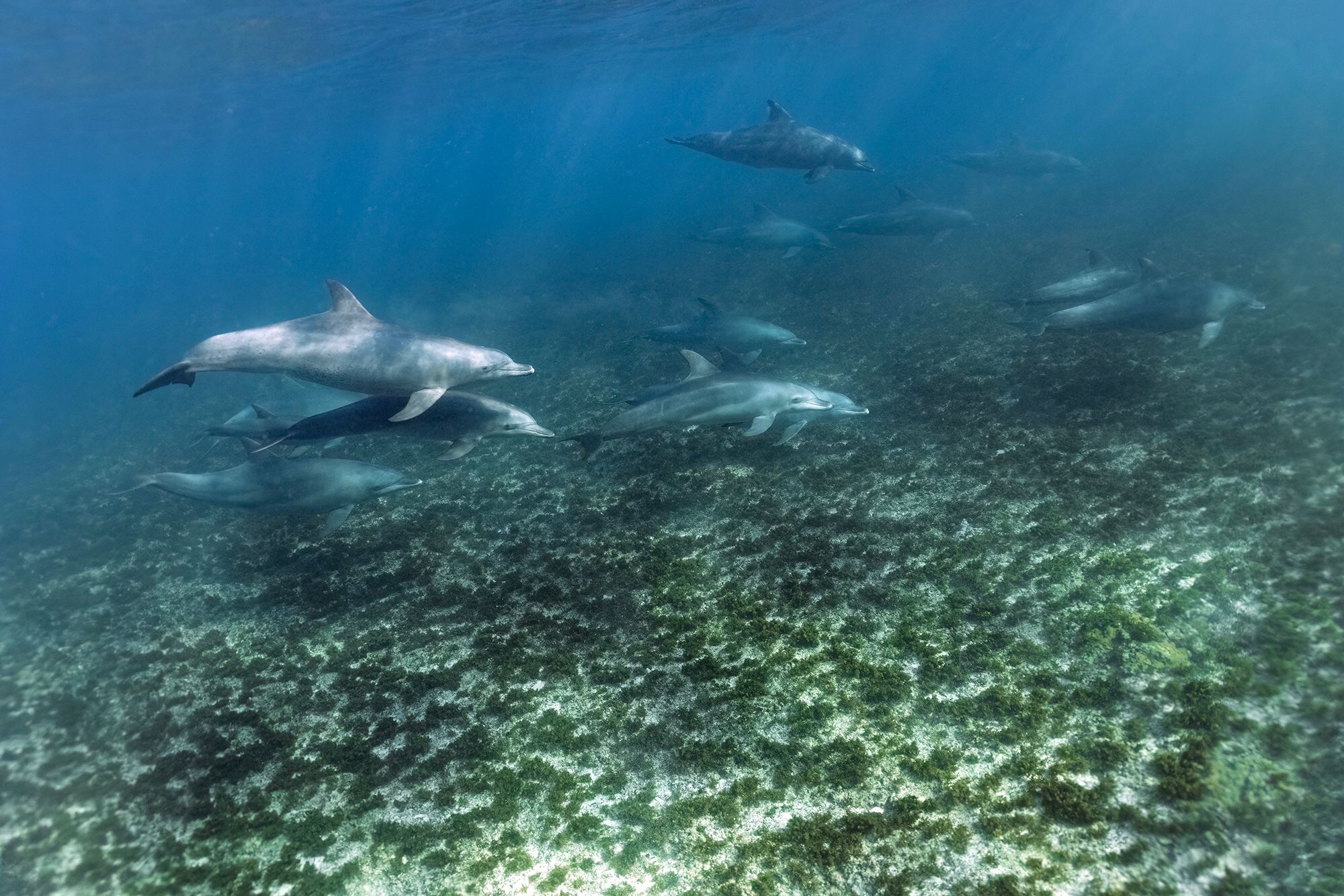
A practical example we have observed in Kizimkazi is the difference in dolphin behavior when boat drivers operate responsibly. When there are fewer boats and drivers maintain a safe distance, avoid chasing the dolphins, and allow them to move freely, we have observed dolphins spending more time at the surface and showing more socializing behavior. In contrast, when drivers chase the dolphins, approach too closely, or create excessive boat disturbance, these natural behaviors appear to become less common.
This shows why responsible tourism can benefit both conservation and the tourism industry. When dolphins are allowed to behave naturally, tourists can have a better opportunity to observe a wider range of natural behaviors rather than simply being taken as close as possible to the animals. This can improve the quality of the experience while reducing disturbance to the dolphins.

Join Us in Zanzibar
If you’d like to be part of this work, there are several ways to join us in Zanzibar:
- Individuals: join our Dolphin & Marine Conservation Volunteer Project [or marine conservation internship, if live]
- Universities: bring your students on a faculty-led or study abroad marine conservation program
- Schools: explore our High School and IB CAS programs


