How two months of searching ended in a rescue
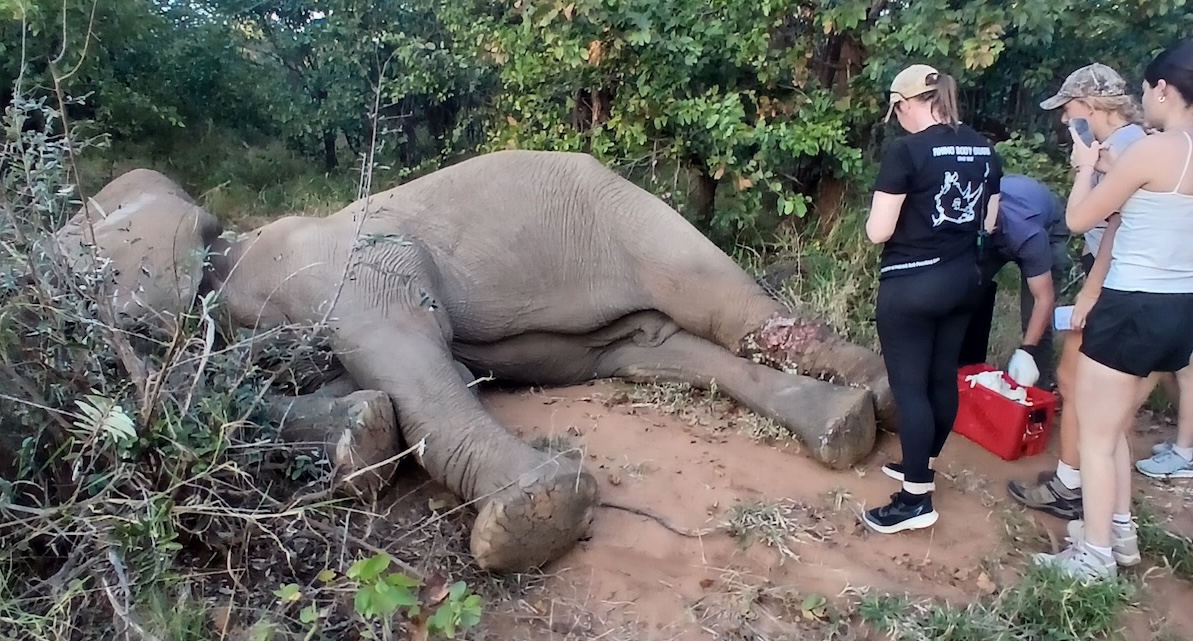
At our wildlife research base on Mthimkulu Private Game Reserve, in the Greater Kruger National Park, our team spotted a bull elephant with a wire snare embedded in his foot, after tracking the animal for almost two months. What followed was a day-long search, a race against fading light, and a joint operation between four organisations that ended with the snare removed and the wound treated.
Images by Barry Mitchell and Jason Kipling
A Wound Two Months in the Making
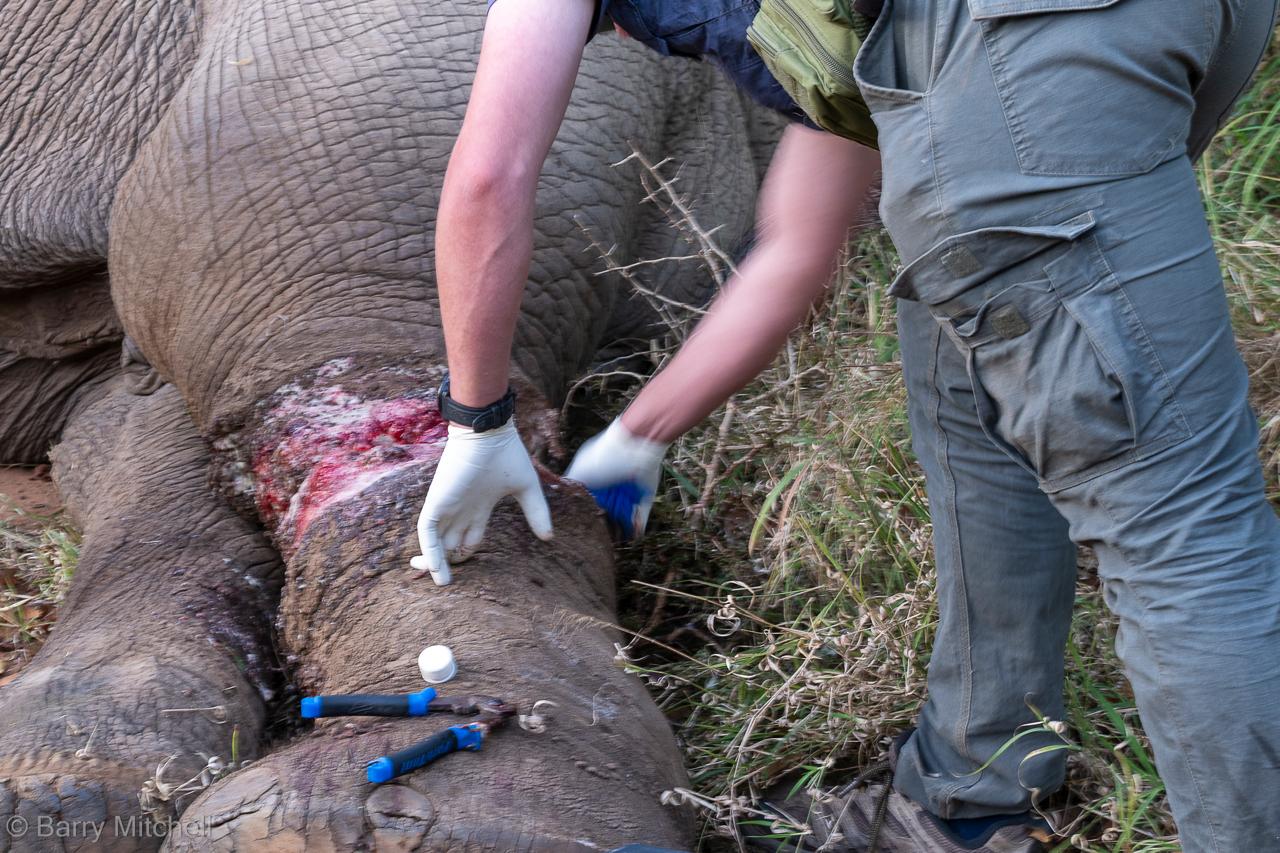
On Saturday 29 August, we received the report conservation teams at Mthimkulu had been waiting for: the bull had been sighted. He’d been spotted before, wire snare embedded around his back left foot, an injury that only gets worse the longer it goes untreated. As the elephant moves, the wire tightens and cuts deeper, and left alone, the consequences can be fatal. Our staff and volunteers had been watching for him since the first sighting, but he kept disappearing back into the bush before anyone could reach him.
By Sunday morning, even though it was a day off for most of the team, the decision to keep searching wasn’t really a discussion. Teams from Mthimkulu Private Game Reserve, African Impact, Captivating Africa and Wildscapes Vets spent the day out on the reserve, following tracks and covering as much ground as they could.
“We’d had sightings before that came to nothing,” says Jason Kipling, who runs our operations at Mthimkulu. “You get used to the disappointment, but you don’t stop looking, because you know what happens if you do.”

Racing the Light to Reach Him
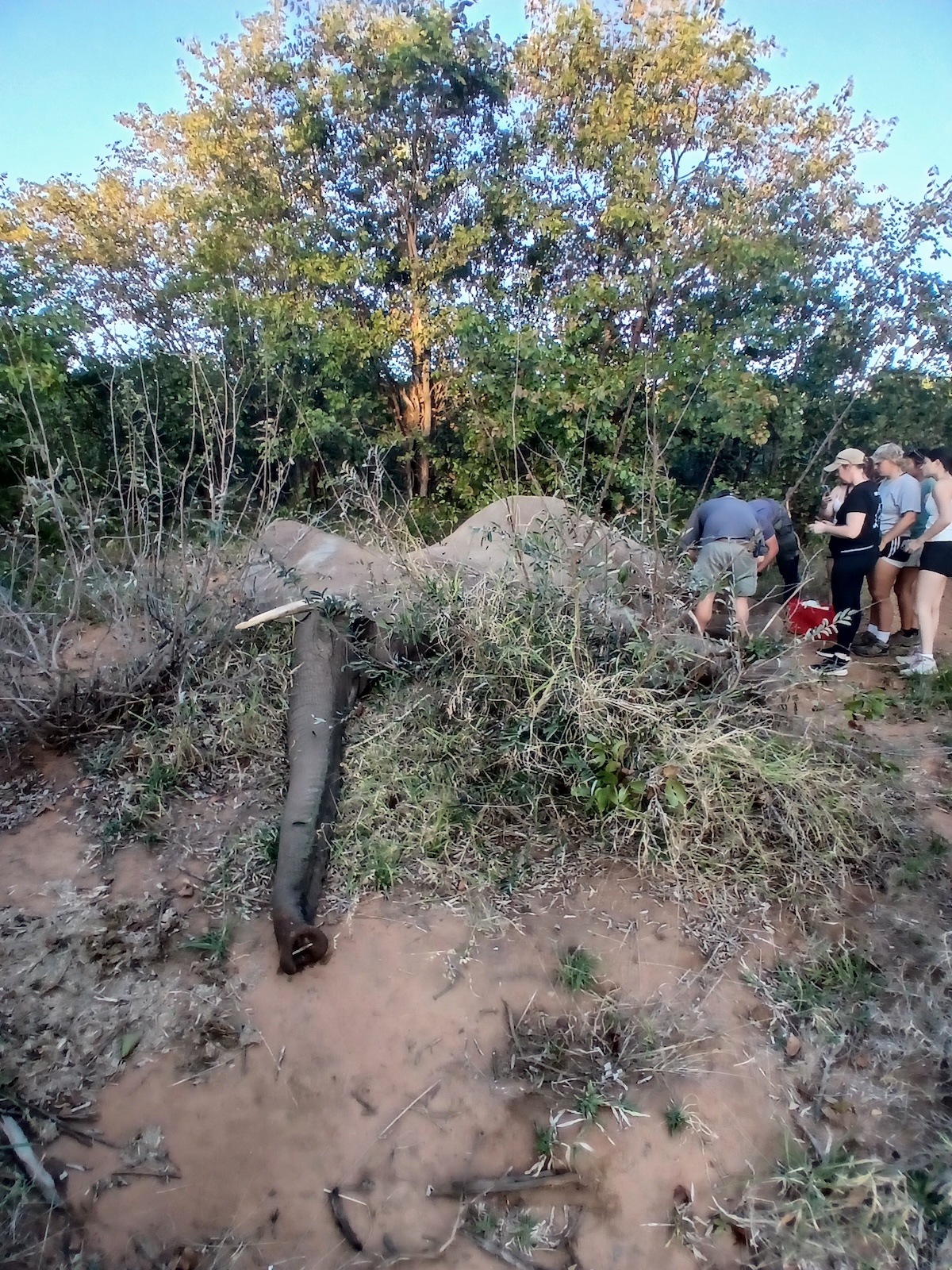
At around 15:45, the search paid off. The bull was found, but with the afternoon light already starting to go, there was very little time left. Wildscapes Vets, Captivating Africa and a helicopter team were called in straight away, while reserve staff and our own people stayed on the ground with the elephant, relaying his exact position as the helicopter closed in.
“Once you’ve found the animal, that’s when the clock really starts,” Jason says. “Everyone on the ground was in constant contact with the air team, because losing sight of him at that point would have meant starting the whole search over, and there wasn’t enough daylight left for that.”
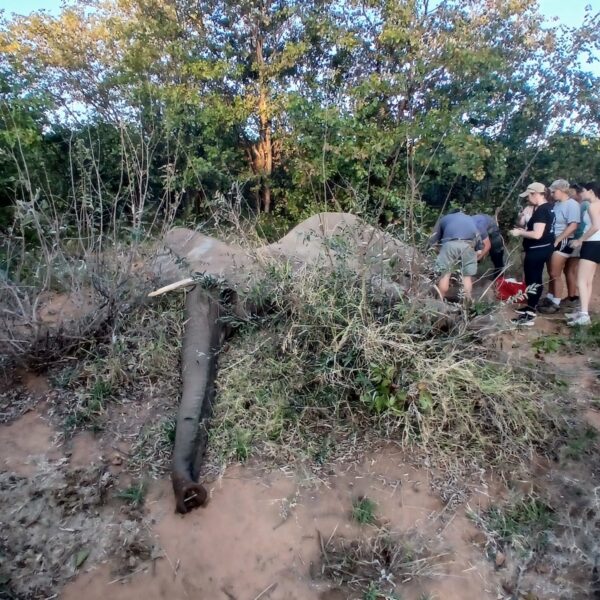
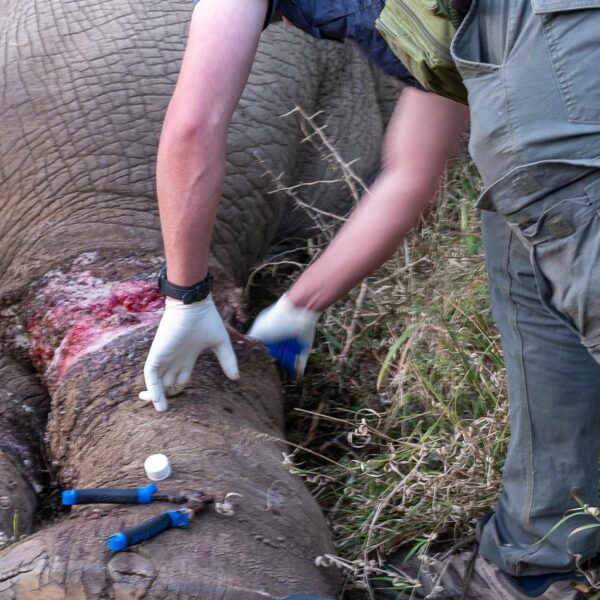
The bull was darted as the light dropped. The Wildscapes Vets team reached him, removed the wire, and cleaned and treated the wound underneath it. By the time the operation was over, the elephant was free of the snare it had been carrying for weeks.
A Four-Way Effort
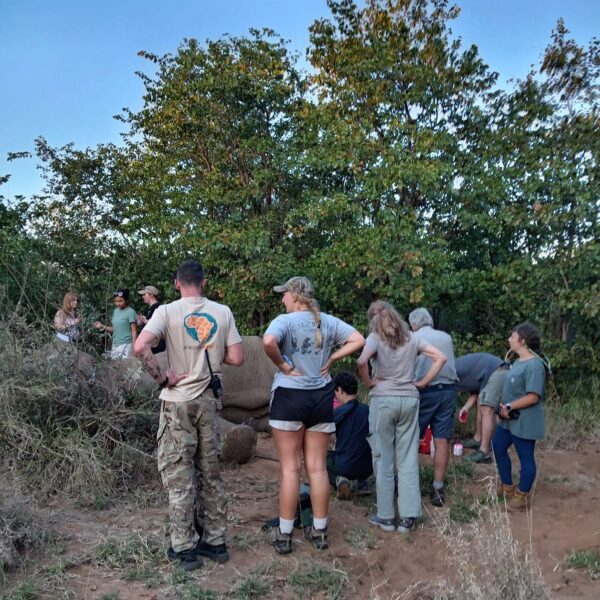
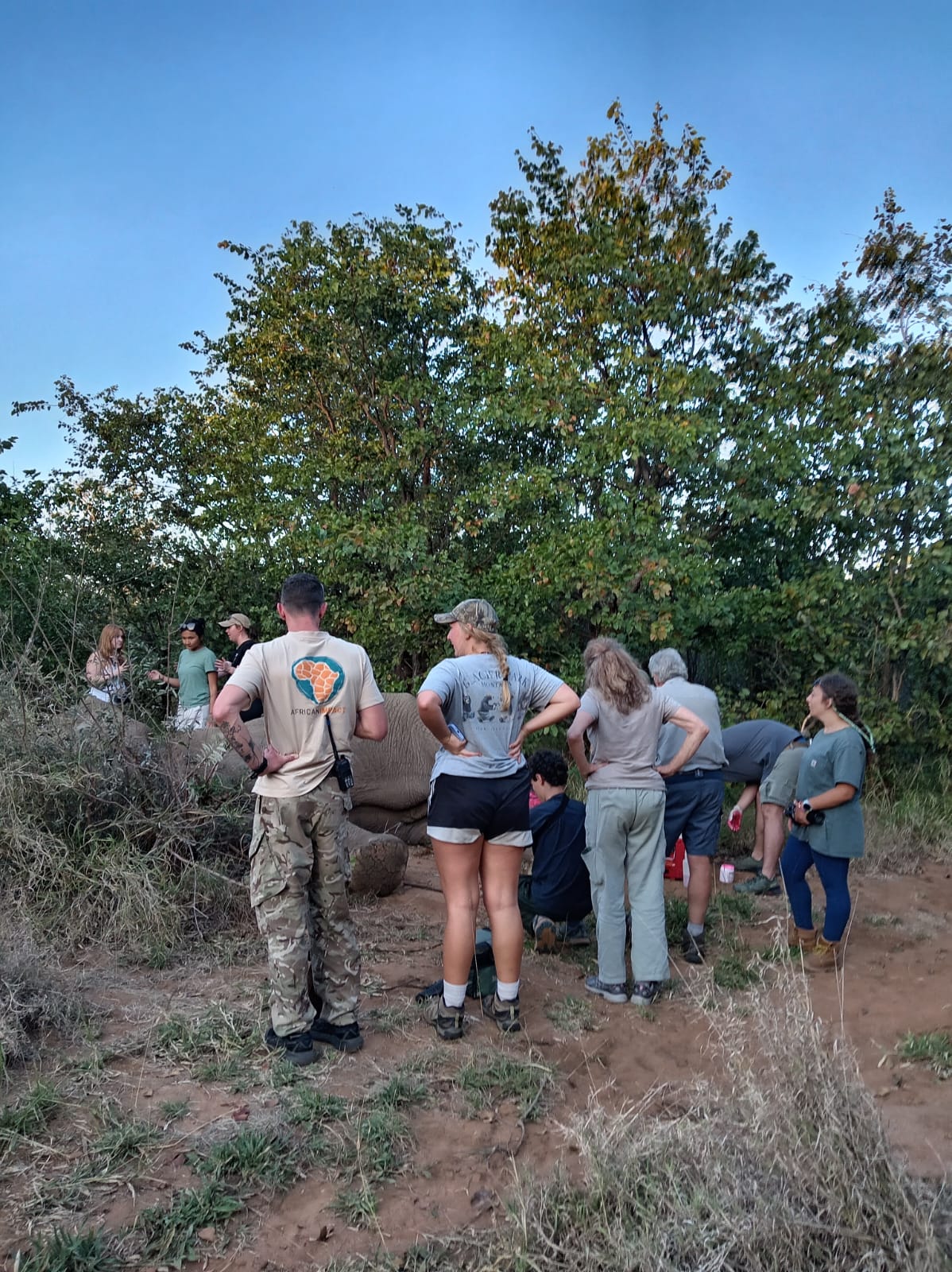
It’s worth saying plainly that this wasn’t any one organisation’s win. Mthimkulu provided the reserve knowledge and operational backing, our team contributed two months of tracking and the people on the ground that afternoon, Captivating Africa helped coordinate the response, and Wildscapes Vets brought the veterinary expertise that made the treatment possible. Take any one of those away and the outcome looks different.
“That’s honestly what stands out to me most,” Jason says. “Everyone dropped what they were doing on a Sunday, and everyone had a specific job to do. Nobody was there just to watch.”
The Bigger Picture at Mthimkulu
Snares remain one of the most common threats to wildlife on reserves like Mthimkulu, and they’re indiscriminate, a piece of wire left in the bush doesn’t care what walks into it. This story ended well, but it’s part of why our team spends so much time on patrols and monitoring in the first place.
That patrol and monitoring work is part of something bigger. Mthimkulu is part of the Greater Kruger, and it’s one of the region’s more ambitious ecological restoration projects, land recovering from decades of poaching pressure and overgrazing. Research, tracking, monitoring, and stepping in when an animal needs help, are part of the everyday work of bringing it back to an area where wildlife can thrive.
If you’d like to be part of that, our wildlife conservation program is open to volunteers, interns, and university and school groups looking to get involved in active fieldwork on the reserve.